
Understanding Biohacking
What Is Biohacking Really?
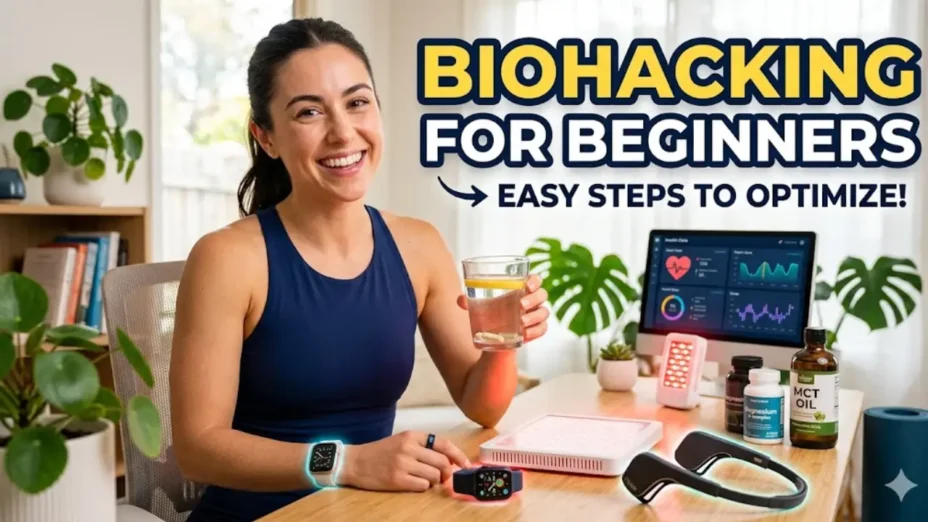
If you’ve spent any time scrolling through wellness content, you’ve probably stumbled across the term biohacking. It sounds futuristic almost like something out of a sci-fi movie but at its core, biohacking is surprisingly simple. It’s about making small, intentional changes to your lifestyle in order to improve your body and mind. Think of it as “DIY biology,” where you experiment with habits, routines, and sometimes technology to optimize how you function daily.
The idea isn’t new, even if the branding is. People have always looked for ways to sleep better, think sharper, and feel more energetic. What’s changed is the level of access to information, tools, and communities. Today, biohacking can range from basic habits like improving sleep hygiene to more extreme interventions like cold exposure, nootropics, or even implantable devices. That wide spectrum is exactly why beginners often feel overwhelmed.
Here’s where things get tricky. Not everything labeled as biohacking is actually beneficial or even safe. Some practices are grounded in solid science, while others are driven by marketing hype or anecdotal success stories. The challenge is knowing the difference. A wearable device promising to “optimize your DNA expression” might sound impressive, but does it really deliver measurable results?
At its best, biohacking is about self-awareness and experimentation, not blind adoption of trends. You’re essentially running small experiments on yourself adjusting variables like sleep, diet, or exercise and observing what works. It’s less about becoming superhuman overnight and more about making incremental improvements that compound over time.
Grasping this fundamental concept is essential prior to exploring further. Without it, it’s easy to fall into the trap of chasing every new trend, spending money on unnecessary products, or adopting habits that don’t align with your body’s actual needs.
Why Biohacking Has Become So Popular
Biohacking didn’t just appear out of nowhere it’s a direct response to modern life. People today are more stressed, sleep-deprived, and digitally overloaded than ever before. According to recent global health data, nearly one in three adults struggles with sleep issues, and chronic stress levels continue to rise. When traditional solutions feel slow or ineffective, biohacking offers something different: control.
There’s also a strong cultural shift toward self-optimization. From productivity apps to fitness trackers, society increasingly values measurable improvement. Biohacking fits perfectly into that mindset. It promises not just health, but peak performance more energy, sharper focus, and even longer lifespan.
Social media has played a massive role too. Influencers and entrepreneurs often showcase their routines—ice baths at dawn, supplement stacks, red light therapy sessions and frame them as the secret to success. It’s compelling content, but it can also be misleading. What works for a high-performing CEO with a team of experts might not translate to your everyday life.
Another factor is accessibility. Devices like smartwatches and sleep trackers have made it easier than ever to monitor your body. You no longer need a lab to track your heart rate variability or sleep cycles. This data-driven approach makes biohacking feel more scientific, even when the interpretation isn’t always accurate.
Still, popularity doesn’t equal effectiveness. Many trends gain traction because they’re novel or visually appealing, not because they’re backed by evidence. That’s why it’s essential to approach biohacking with a critical mindset. Ask yourself: is this solving a real problem, or just adding complexity?
The rise of biohacking reflects a deeper desire to feel better, live longer, and perform at your best. That goal is valid. The challenge lies in separating genuine tools from clever marketing.
The Science Behind Biohacking
Evidence-Based Biohacks vs Trends
Not all biohacks are created equal. Some are backed by decades of scientific research, while others rely on anecdotal evidence or clever branding. Comprehending the distinction can help you conserve time, finances, and alleviate frustration.
Evidence-based biohacks typically align with established principles of human biology. For example, improving sleep quality, maintaining a balanced diet, and engaging in regular exercise are all supported by extensive research. These aren’t flashy or new, but they consistently deliver results. In contrast, many trendy biohacks promise rapid transformation with minimal effort an immediate red flag.
A useful way to evaluate a biohack is to ask whether it addresses a fundamental biological process. Sleep, nutrition, stress, and movement are core pillars of health. Biohacks that enhance these areas tend to be effective because they work with your body, not against it.
On the other hand, trends often focus on optimization at the margins. For instance, spending hundreds of dollars on a supplement that claims to boost cognitive function by a small percentage might not be worthwhile if your sleep and diet are poor. It’s like trying to fine-tune a car engine while ignoring the fact that the fuel tank is empty.
Another important factor is reproducibility. Scientific studies rely on consistent results across different populations. If a biohack only works for a handful of individuals or lacks peer-reviewed research, it’s worth approaching with caution.
This doesn’t mean you should ignore new ideas altogether. Innovation often starts at the edges. But the key is to prioritize high-impact, low-risk interventions before experimenting with more advanced techniques.
How to Evaluate Biohacking Claims
The biohacking space is filled with bold claims, and not all of them hold up under scrutiny. Learning how to evaluate these claims is one of the most valuable skills you can develop as a beginner.
Start by looking at the source. Is the information coming from a peer-reviewed study, a qualified expert, or an influencer promoting a product? Credentials and transparency matter. If someone is selling a solution, there’s an inherent bias to consider.
Next, examine the evidence. Are there multiple studies supporting the claim, or just one small experiment? Larger sample sizes and repeated findings generally indicate more reliable results. Be cautious of phrases like “clinically proven” without clear references.
It’s also helpful to consider the mechanism of action. In simple terms, how is the biohack supposed to work? If the explanation is vague or overly complex, it might be masking a lack of real substance. Clear, logical mechanisms are usually a good sign.
Another red flag is overpromising. Claims that sound too good to be true often are. Improving your health takes time and consistency, not instant fixes. Sustainable progress is rarely dramatic, but it’s far more reliable.
Finally, pay attention to your own data. Biohacking is inherently personal. What is effective for another individual may not necessarily be effective for you. Track your results, make adjustments, and focus on what actually improves your well-being.
Biohacks That Actually Work
Sleep Optimization
Sleep is often overlooked because it feels passive you’re literally doing nothing. But in reality, sleep is the most powerful biohack available, and it’s completely free. If your sleep is off, everything else suffers: focus, mood, metabolism, immune function, even decision-making. Research consistently shows that adults who get 7–9 hours of quality sleep perform better cognitively and physically than those who don’t, yet millions of people treat sleep as optional.
Think about it this way: trying to optimize your health without fixing sleep is like upgrading your phone’s apps while the battery is dying. You might see small improvements, but the system itself is unstable. Deep sleep and REM cycles are where your brain processes information, repairs tissue, and balances hormones. Without them, no supplement or gadget can compensate.
One of the most effective approaches to sleep optimization is consistency. Going to bed and waking up at the same time every day trains your circadian rhythm, your body’s internal clock. This rhythm controls everything from hormone release to body temperature, and when it’s aligned, falling asleep becomes almost automatic.
Light exposure also plays a huge role. Morning sunlight signals your brain to wake up and helps regulate melatonin production later in the evening. On the flip side, exposure to blue light from screens at night can delay sleep. You don’t have to eliminate screens entirely, but reducing exposure an hour before bed can make a noticeable difference.
Another key factor is your sleep environment. A calm, dimly lit, and tranquil room fosters more profound sleep. Even small changes like blackout curtains or lowering the temperature—can improve sleep quality significantly. These aren’t flashy biohacks, but they’re reliable and backed by science.
Practical Sleep Biohacks That Deliver Results
When it comes to sleep, simplicity wins. You don’t need a $500 device to tell you you’re tired—you need habits that actually help you rest. The most effective sleep biohacks are the ones you can stick to consistently without overthinking.
Start with a wind-down routine. Your brain doesn’t switch off instantly; it needs signals that the day is ending. Activities like reading, stretching, or even taking a warm shower can help transition your body into sleep mode. It’s less about the specific activity and more about creating a predictable pattern.
Caffeine timing is another underrated factor. Many people don’t realize that caffeine has a half-life of about 5–7 hours, meaning that afternoon coffee can still affect your sleep at night. Cutting off caffeine earlier in the day can improve sleep latency the time it takes to fall asleep—without requiring any additional effort.
Then there’s the question of tracking. Wearables can provide useful insights, but they’re not always accurate. Instead of obsessing over every metric, focus on how you feel. Do you wake up refreshed? Do you have steady energy throughout the day? Those subjective indicators often matter more than data points.
Magnesium supplementation is one area where evidence suggests potential benefits for sleep quality, especially for people with deficiencies. It’s not a miracle solution, but it can support relaxation and muscle recovery when used appropriately.
The bottom line? Sleep optimization works because it addresses a core biological need. It’s not glamorous, but it’s one of the highest-return investments you can make in your health.
Nutrition and Intermittent Fasting
If sleep is the foundation, nutrition is the fuel. What you eat directly affects your energy levels, mental clarity, and long-term health. Yet biohacking trends often complicate nutrition with extreme diets and rigid rules. In reality, effective nutrition biohacking is about balance and sustainability.
Whole foods should form the backbone of your diet vegetables, fruits, lean proteins, healthy fats, and complex carbohydrates. These provide essential nutrients your body needs to function optimally. Highly processed foods, on the other hand, tend to disrupt metabolic processes and lead to energy crashes.
One of the most talked-about nutrition biohacks is intermittent fasting (IF). At its core, IF involves cycling between periods of eating and fasting. Common methods consist of the 16:8 approach (16 hours of fasting followed by 8 hours of eating) or fasting every other day.
The appeal of intermittent fasting lies in its simplicity. Rather than concentrating on what to consume, it highlights the timing of meals.. Some studies suggest that IF can improve insulin sensitivity, support weight management, and even promote cellular repair through a process called autophagy.
However, it’s not a one-size-fits-all solution. Some people thrive on fasting, while others experience fatigue or irritability. The key is to experiment carefully and observe how your body responds.
Hydration is another often overlooked aspect of nutrition. Even mild dehydration can affect cognitive performance and physical endurance. Drinking enough water throughout the day is one of the easiest biohacks with immediate benefits.
What Science Says About Fasting
Intermittent fasting isn’t just a trend it has a growing body of research behind it. Studies have shown that fasting can lead to improved metabolic health, including better blood sugar control and reduced inflammation. These benefits are particularly relevant in a world where metabolic disorders are increasingly common.
One of the most interesting aspects of fasting is autophagy, a cellular “cleanup” process where the body removes damaged components and recycles them. This process is linked to longevity and disease prevention, although most of the strong evidence currently comes from animal studies.
That said, fasting isn’t magic. Its benefits often come from reducing overall calorie intake and improving eating patterns. If someone uses fasting as an excuse to overeat during eating windows, the benefits can quickly disappear.
It’s also important to consider individual differences. Factors like age, gender, activity level, and medical history can influence how your body responds to fasting. For example, highly active individuals or those with certain health conditions may need more consistent energy intake.
A practical approach is to start small perhaps a 12-hour fasting window and gradually adjust based on how you feel. This allows you to explore the benefits without pushing your body too far.
Exercise and Movement Optimization
Exercise is one of those areas where people often overcomplicate things. You don’t need a cutting-edge routine or expensive equipment to see results. Consistency beats complexity every time. The human body is designed to move, and regular physical activity supports everything from cardiovascular health to mental well-being.
One of the most effective exercise biohacks is simply finding a form of movement you enjoy. Whether it’s walking, cycling, weightlifting, or dancing, enjoyment increases adherence. And adherence is what drives long-term results.
Strength training is particularly valuable because it helps build muscle, improve metabolism, and support joint health. Even two to three sessions per week can make a noticeable difference. On the other hand, cardiovascular exercise supports heart health and endurance.
High-Intensity Interval Training (HIIT) has gained popularity as a time-efficient workout method. Short bursts of intense activity followed by rest periods can deliver significant benefits in less time. However, it’s not necessary for everyone and can be demanding for beginners.
Daily movement also matters. Sitting for long periods has been linked to various health issues, even for people who exercise regularly. Simple habits like standing up, stretching, or taking short walks throughout the day can counteract these effects.
Micro Workouts and Consistency
Here’s where things get interesting: you don’t need hour-long workouts to improve your fitness. Micro workouts short bursts of activity spread throughout the day—can be surprisingly effective. Think of them as “snacks” for your body instead of full meals.
For example, doing a few sets of push-ups, squats, or stretches during breaks can add up over time. These small efforts improve circulation, maintain muscle activation, and boost energy levels. It’s a practical solution for people with busy schedules who struggle to find time for traditional workouts.
The real advantage of micro workouts is psychological. They lower the barrier to entry. It’s easier to commit to five minutes of movement than an hour at the gym. Once you begin, you frequently find yourself doing even more.
Tracking progress can also help maintain motivation. Whether it’s counting steps, logging workouts, or noting improvements in strength, visible progress reinforces the habit.
At the end of the day, the best exercise routine is the one you can sustain. Biohacking isn’t about perfection it’s about consistency.
Mindfulness and Stress Reduction
Modern life doesn’t just challenge your body it constantly pulls at your attention. Notifications, deadlines, and endless streams of information keep your brain in a near-permanent state of alertness. That’s why mindfulness and stress reduction have become some of the most effective and underrated biohacks. Unlike flashy gadgets or supplements, these practices target your nervous system directly, helping you shift from a reactive state to a more balanced one.
Stress isn’t inherently bad. In short bursts, it can actually enhance performance. But chronic stress is where things go sideways. Elevated cortisol levels over long periods can affect sleep, digestion, immune function, and even memory. This is where mindfulness comes in not as a vague wellness buzzword, but as a practical tool for regulating how your body responds to stress.
Mindfulness simply means being present and aware of what’s happening in the moment without judgment. That might sound abstract, but in practice, it’s incredibly grounding. Whether you’re focusing on your breath, your surroundings, or even the act of eating, mindfulness pulls your attention away from constant mental noise.
There’s solid science behind this. Studies have shown that regular mindfulness practice can reduce stress, improve focus, and even change brain structure over time, particularly in areas related to emotional regulation. It’s not instant, but the effects compound with consistency.
A prevalent misconception is that practicing mindfulness necessitates extended periods of meditation. In reality, even a few minutes a day can make a difference. It’s less about duration and more about regularity. You’re essentially training your brain, much like you would train a muscle.
Breathwork and Meditation Techniques
If mindfulness is the umbrella, breathwork and meditation are two of its most accessible tools. The beauty of these techniques is that they require no equipment, no subscriptions, and no special environment. You can practice them anywhere at your desk, in your car, or before bed.
Breathwork, in particular, has gained traction because of its immediate effects. Your respiration is directly connected to your nervous system. Slow, controlled breathing can activate the parasympathetic nervous system, which promotes relaxation. Techniques like box breathing (inhale for four seconds, hold, exhale, hold) or the 4-7-8 method are simple but effective.
Meditation, on the other hand, is more about training attention. You might focus on your breath, a word, or even sounds around you. The goal isn’t to stop thinking that’s unrealistic—but to notice when your mind wanders and gently bring it back. Over time, this builds mental resilience.
What makes these techniques powerful is their versatility. Feeling anxious? Engaging in deep breathing for a few minutes can be beneficial.. Struggling to focus? A short meditation session can reset your mind. Trouble sleeping? Breathwork can prepare your body for rest.
The key is to treat these practices as habits, not quick fixes. Like any biohack, their effectiveness comes from consistency. And unlike many trends, they’re backed by both ancient traditions and modern science.
Popular Biohacks That Are Mostly Hype
Expensive Supplements with Little Evidence
Walk into any health store or browse online, and you’ll find shelves packed with supplements promising everything from enhanced brainpower to anti-aging effects. While some supplements have legitimate uses, a large portion falls into the category of overhyped biohacks.
The supplement industry is massive worth over $150 billion globally and not all products are created equal. Many are marketed with bold claims but lack strong scientific backing. It’s easy to get drawn in by phrases like “clinically tested” or “optimized formula,” but these terms can be misleading.
Take nootropics, for example. These are often marketed as cognitive enhancers, but the evidence varies widely. Some ingredients, like caffeine or L-theanine, have proven effects. Others rely on limited or inconclusive studies. The problem arises when products combine multiple ingredients in unclear dosages, making it difficult to assess their true impact.
Another issue is bioavailability how well your body can absorb and use a substance. Just because a supplement contains a beneficial compound doesn’t mean your body can effectively utilize it.
That doesn’t mean all supplements are useless. Certain ones, like vitamin D, omega-3 fatty acids, or magnesium, can be beneficial, especially if you have deficiencies. But these are targeted interventions, not miracle solutions.
The smarter approach? Focus on getting nutrients from whole foods first. Supplements should fill gaps, not replace a solid foundation.
Extreme Diets and Detox Trends
Few areas of biohacking generate as much noise as diet trends. From juice cleanses to highly restrictive dietary regimens, the assurance is frequently identical: swift change. But here’s the reality most extreme diets are unsustainable and unnecessary.
Detox diets, in particular, are a prime example of hype. Your body already has a built-in detox system your liver, kidneys, and digestive system. These organs work continuously to eliminate toxins. The idea that you need a special juice or supplement to “cleanse” your body is largely a marketing narrative.
Extreme diets can also backfire. Severely restricting calories or eliminating entire food groups can lead to nutrient deficiencies, hormonal imbalances, and even disordered eating patterns. While you might see short-term results, they’re often difficult to maintain.
That said, some dietary approaches like reducing processed foods or managing sugar intake—are genuinely beneficial. The difference lies in balance. Sustainable changes tend to outperform drastic measures over time.
Think of your diet as a long-term investment rather than a quick fix. Small, consistent improvements will always beat extreme, short-lived efforts.
Overhyped Wearables and Gadgets
Technology has brought some genuinely useful tools into the world of biohacking. Fitness trackers, heart rate monitors, and sleep trackers can provide valuable insights. But not all gadgets live up to their promises.
Some devices claim to measure complex metrics like stress levels or recovery with high precision, but their accuracy can vary. In many cases, these measurements are estimates rather than exact readings. Placing excessive reliance on them may result in unwarranted anxiety or misplaced confidence.
There’s also the issue of data overload. More information isn’t always better. If you’re constantly checking metrics without understanding how to interpret them, it can become counterproductive.
A simple comparison helps illustrate this:
| Device Type | Potential Benefit | Common Limitation |
| Fitness Tracker | Tracks steps, activity levels | Can miscount or oversimplify data |
| Sleep Tracker | Estimates sleep cycles | Not as accurate as lab tests |
| HRV Monitor | Insight into recovery | Influenced by multiple variables |
The key is to use technology as a tool, not a crutch. If a device helps you build better habits, it’s valuable. If it adds stress or confusion, it might not be worth it.
Risks and Ethical Concerns in Biohacking
When Biohacking Goes Too Far
There’s a fine line between optimization and obsession. While biohacking can improve your health, taking it to extremes can lead to unintended consequences. Some individuals become so focused on optimizing every aspect of their lives that it starts to negatively impact their mental well-being.
This phenomenon is sometimes referred to as orthorexia, an unhealthy obsession with “perfect” health practices. Instead of feeling better, people become anxious about every decision—what to eat, how to sleep, which metrics to track.
More extreme forms of biohacking, such as unregulated genetic modifications or experimental treatments, also raise ethical and safety concerns. These practices often lack sufficient research and can carry significant risks.
Even seemingly harmless habits can become problematic if taken too far. For example, excessive fasting, overtraining, or overuse of supplements can disrupt your body’s balance.
The goal of biohacking should be to enhance your life, not control it.
Safety Guidelines for Beginners
If you’re new to biohacking, a cautious approach is your best ally. Start with low-risk, high-impact habits—sleep, nutrition, movement, and stress management. These form the foundation of any effective strategy.
Introduce changes gradually. Making too many adjustments at once makes it difficult to identify what’s actually working. It also raises the probability of experiencing burnout.
Listening to your body is crucial. Data and trends can provide guidance, but your personal experience matters just as much. If something feels off, it’s worth reevaluating.
Consulting a healthcare professional is also a good idea, especially if you’re considering supplements or significant dietary changes. Personalized advice can help you avoid potential pitfalls.
How to Start Biohacking the Right Way
Building a Sustainable Routine
If biohacking had a golden rule, it would be this: simple, repeatable habits beat complex, inconsistent ones every time. It’s tempting to dive headfirst into advanced techniques—cold plunges, supplement stacks, elaborate morning routines but without a solid foundation, those efforts rarely stick. The real power of biohacking comes from building a routine that fits your life, not one that looks impressive on paper.
Start by identifying your biggest bottlenecks. Are you constantly tired? Struggling to focus? Feeling stressed? Your answers point directly to where you should begin. For most people, improving sleep, nutrition, and daily movement delivers the fastest and most noticeable results. These aren’t trendy, but they’re effective because they address core biological needs.
A sustainable routine also respects your limits. There is no requirement to completely transform your life in a single night. In fact, doing so often backfires. Instead, think in terms of small, incremental upgrades. Maybe you start by fixing your sleep schedule, then gradually improve your diet, and later introduce regular exercise. Each step builds upon the previous one, generating momentum.
Consistency is where the magic happens. A modest habit done daily will outperform an ambitious plan that you can’t maintain. It resembles compound interest—minor increases accumulate over time This is why many successful biohackers focus on routines rather than one-off experiments.
Another important aspect is flexibility. Life isn’t static, and your routine shouldn’t be either. What works during a calm period might need adjustment during stressful times. Being adaptable ensures that your habits remain sustainable in the long run.
It also helps to anchor new habits to existing ones. For example, you might practice breathwork right after brushing your teeth or go for a short walk after lunch. This technique, often called habit stacking, makes it easier to integrate new behaviors into your daily life.
Ultimately, the goal isn’t to create a perfect routine it’s to create one you can actually follow. Because at the end of the day, execution matters more than intention.
Tracking Progress Without Obsession
Tracking is one of the defining features of modern biohacking. From step counts to sleep scores, there’s no shortage of data available. But here’s the catch: more data doesn’t automatically lead to better decisions. Indeed, it may occasionally produce the contrary effect.
The aim of monitoring is to offer understanding, rather than to induce anxiety. If you find yourself constantly checking metrics or feeling anxious about hitting certain numbers, it’s a sign that tracking has become counterproductive. The goal is awareness, not perfection.
Start by focusing on a few key metrics that align with your goals. If you’re working on fitness, that might be steps, workouts, or strength improvements. If your focus is sleep, pay attention to how rested you feel in addition to any data your device provides. Subjective experience often tells you more than numbers alone.
It’s also important to understand the limitations of tracking devices. Many metrics—like calorie burn or sleep stages are estimates, not exact measurements. Treat them as guidelines rather than absolute truths.
A helpful approach is to combine quantitative data with qualitative reflection. For example, you might note your energy levels, mood, or focus alongside your tracked metrics. This creates a more complete picture of your progress.
Another trap to avoid is constant optimization. It’s easy to fall into the mindset of always trying to improve every metric. But human bodies aren’t machines they fluctuate. Some days you’ll perform better than others, and that’s normal.
Instead of chasing perfection, aim for trends. Are you generally improving over time? Do you feel better overall? Those are the indicators that matter.
Tracking should support your journey, not dominate it. When used wisely, it can highlight patterns and reinforce positive habits. But when overused, it can turn into noise.
Conclusion
Biohacking can feel like a maze of possibilities some grounded in science, others fueled by hype. The difference between the two often comes down to one simple question: does this support your body’s natural systems, or does it try to shortcut them? The most effective biohacks sleep optimization, balanced nutrition, consistent movement, and stress management aren’t revolutionary ideas. They’re fundamental principles applied with intention.
What makes biohacking powerful isn’t complexity; it’s awareness. When you start paying attention to how your habits affect your energy, focus, and overall well-being, you gain a level of control that most people overlook. That doesn’t mean chasing every trend or investing in every new gadget. It means being selective, curious, and grounded in evidence.
There’s also a mindset shift involved. Instead of looking for quick fixes, you begin to think in terms of systems and patterns. You experiment, observe, and adjust. Some things will work, others won’t and that’s part of the process. The goal isn’t perfection; it’s progress.
At the same time, it’s important to recognize the limits. Not everything needs optimization. Life isn’t a constant performance test, and trying to treat it that way can lead to burnout. The best biohacking approach is one that enhances your life without taking it over.
If you’re just starting out, keep it simple. Focus on the basics, build consistency, and let your routine evolve naturally. Over time, those small changes will compound into meaningful improvements.
FAQs
1. Is biohacking safe for beginners?
Biohacking is generally safe when you focus on basic lifestyle improvements like sleep, nutrition, exercise, and stress management. These are low-risk and highly effective. Problems usually arise when beginners jump into extreme practices or untested supplements without proper knowledge. Starting small and consulting professionals when needed can help you avoid unnecessary risks.
2. Do I need expensive gadgets to start biohacking?
Not at all. Some of the most effective biohacks like improving sleep, staying hydrated, and practicing mindfulness—require little to no money. While gadgets can provide useful data, they’re optional. Your body’s signals, such as energy levels and mood, are often just as valuable.
3. How long does it take to see results from biohacking?
It depends on the habit. Some changes, like better sleep or hydration, can produce noticeable results within days. Others, like improved fitness or metabolic health, may take weeks or months. Consistency plays a bigger role than speed.
4. Are supplements necessary for biohacking?
Supplements can be helpful in specific cases, especially if you have nutrient deficiencies. However, they’re not essential for most people. A well-rounded diet typically supplies the essential nutrients required by your body. It’s better to treat supplements as a support tool rather than a primary strategy.
5. What’s the biggest mistake beginners make in biohacking?
The most frequent error is attempting to accomplish too many tasks simultaneously. Adopting multiple new habits simultaneously can lead to overwhelm and burnout. Focusing on one or two changes at a time makes it easier to build consistency and see real progress.