
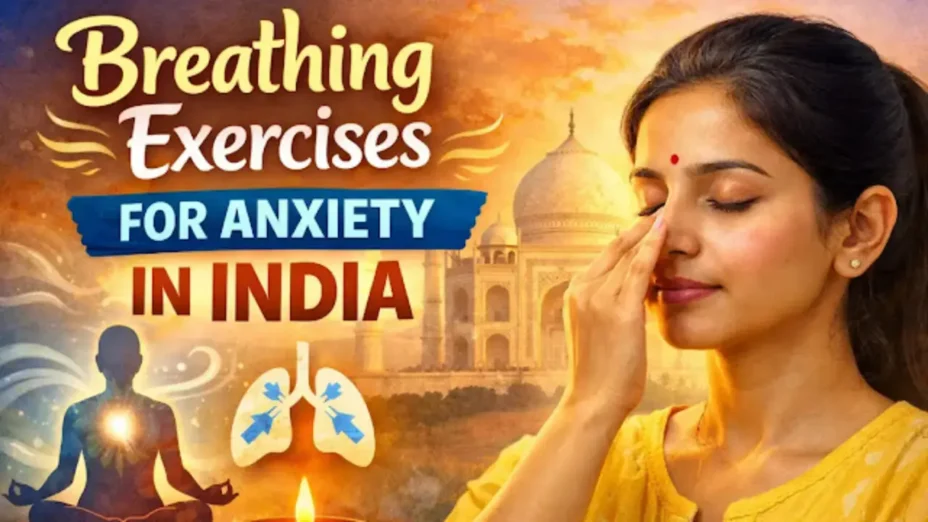
Understanding Anxiety in the Indian Context
Anxiety isn’t just a buzzword anymore it’s quietly becoming one of the most common mental health challenges across India. From crowded metros like Mumbai and Delhi to quieter tier-2 cities, people are dealing with stress that feels constant, overwhelming, and often invisible. You might notice it in racing thoughts before bedtime, a tight chest during work pressure, or even unexplained fatigue. Sound familiar? That’s anxiety creeping into everyday life, often without being recognized.
India’s rapid urbanization plays a huge role here. Long working hours, competitive academic environments, financial pressures, and even social expectations can pile up quickly. Unlike earlier generations, where stress was often physical, today’s stress is largely mental and breathing patterns change as a result. When anxiety hits, breathing becomes shallow and irregular, which ironically worsens the situation. It’s like a loop that feeds itself.
But here’s the interesting part India also has one of the richest traditions of natural healing methods. Ancient yogic practices, especially pranayama (breathing exercises), have been used for thousands of years to calm the mind and stabilize emotions. What modern science is now proving, ancient Indian wisdom already knew: Breathing Exercises for Anxiety in India -controlling your breath can directly influence your mental state.
Cultural and Lifestyle Factors Contributing to Anxiety
Life in India often revolves around balancing multiple responsibilities family expectations, career growth, social obligations, and financial stability. This juggling act can feel like spinning plates that never stop. Add to that the constant digital exposure social media comparisons, news overload, and work notifications and you’ve got a perfect recipe for chronic anxiety.
Students face intense academic competition, professionals deal with job insecurity, and homemakers often carry invisible emotional burdens. Even festivals and social gatherings, while joyful, can sometimes bring pressure to meet societal standards. It’s no surprise that anxiety disorders are steadily rising across age groups.
Rising Mental Health Awareness in India
The good news? Conversations around mental health are finally opening up. According to recent reports, India has seen a significant increase in people seeking therapy, meditation, and holistic wellness practices. Celebrities and influencers are openly discussing anxiety, which helps reduce stigma.
Breathing exercises, in particular, are gaining popularity because they’re simple, free, and effective. You don’t need a therapist, expensive tools, or even much time. Just a few minutes of conscious breathing can make a noticeable difference. And in a fast-paced country like India, that kind of accessibility matters more than ever.
The Science Behind Breathing and Anxiety Relief
Ever noticed how your breathing changes when you’re anxious? It becomes quick, shallow, and sometimes even erratic. That’s not random it’s your body’s natural response to perceived danger. The problem is, your brain can’t always distinguish between real threats and everyday stress, so it reacts the same way.
How Breathing Affects the Nervous System
Your breathing is directly linked to the autonomic nervous system, which controls functions like heart rate, digestion, and stress response. This system has two main parts:
- The sympathetic nervous system (fight or flight)
- The parasympathetic nervous system (rest and digest)
When you’re anxious, the sympathetic system takes over, speeding up your heart and breathing. But here’s where breathing exercises come in they activate the parasympathetic system, signaling your body to relax. It’s like flipping a switch from chaos to calm.
Slow, deep breathing increases oxygen flow and reduces cortisol levels (the stress hormone). Over time, this can retrain your body to respond differently to stress triggers. Consider it as developing resilience starting from within.
Scientific Evidence Supporting Breathwork
Research has consistently shown the benefits of controlled breathing. A study published in the Journal of Clinical Psychology found that participants practicing slow breathing techniques experienced a significant reduction in anxiety symptoms within weeks. Another study from AIIMS (India) highlighted how pranayama improved emotional stability and reduced stress levels among participants.
What’s fascinating is that these effects aren’t just psychological they’re physiological. Heart rate variability improves, blood pressure stabilizes, and even brain activity shifts toward a calmer state. In simple terms, breathing exercises don’t just make you feel better they actually change how your body functions under stress.
Benefits of Breathing Exercises for Anxiety
Breathing exercises might seem almost too simple to be effective. After all, how can something you do every second of your life suddenly become a powerful anxiety tool? The answer lies in intention. When you breathe consciously, you’re not just surviving you’re actively regulating your body and mind.
Immediate Calming Effects
One of the biggest advantages of breathing exercises is how quickly they work. Within just a few minutes, you can feel your heart rate slowing down, your muscles relaxing, and your thoughts becoming less chaotic. It’s similar to pressing a reset button for your nervous system.
This makes breathing techniques incredibly useful during anxiety spikes or panic attacks. Instead of feeling helpless, you have a tool that’s always available no apps, no equipment, no waiting. Just your breath.
Long-Term Mental Health Improvements
Consistency is where the real magic happens. Practicing breathing exercises daily can lead to long-term changes in how your body handles stress. Over time, you may notice fewer anxiety episodes, better sleep, improved focus, and a general sense of emotional balance.
In India, where lifestyle-related stress is constantly rising, integrating breathing exercises into daily routines can be a game-changer. Whether it’s five minutes in the morning or a quick session before bed, these small habits can create a big impact.
Traditional Indian Breathing Techniques (Pranayama)
India’s ancient wellness systems didn’t just stumble upon breathing exercises they refined them over thousands of years into structured practices known as pranayama. The word itself comes from Sanskrit: “prana” meaning life force and “ayama” meaning expansion or control. In simple terms, pranayama is about mastering your breath to influence your energy, mind, and emotional state. And when it comes to anxiety, this isn’t just philosophy it’s deeply practical.
What makes pranayama particularly powerful is how adaptable it is. Whether you’re a student dealing with exam stress, a corporate employee stuck in endless deadlines, or someone managing daily household pressures, these techniques fit seamlessly into your routine. You don’t need to be a yoga expert or sit in perfect lotus posture. Even sitting on a chair with your back straight can be enough to begin.
Another interesting aspect is how pranayama blends physical and mental awareness. Unlike modern breathing hacks that focus purely on technique, traditional Indian methods emphasize mindfulness being fully present with each inhale and exhale. This dual effect is what makes them especially effective for anxiety, which often thrives on overthinking and mental noise.
Anulom Vilom (Alternate Nostril Breathing)
.webp)
If there’s one breathing exercise that almost every Indian household has heard of, it’s Anulom Vilom. This technique involves alternating your breath between the left and right nostrils, creating a sense of balance in both the body and mind. Sounds simple, right? But the effects can be surprisingly profound.
When you practice Anulom Vilom, you’re essentially harmonizing the two hemispheres of your brain. The left nostril is associated with calming energy, while the right is linked to activity and alertness. By alternating between them, you create a rhythm that stabilizes your nervous system. For someone dealing with anxiety, this balance can feel like finally finding steady ground after emotional turbulence.
To practice, you gently close one nostril with your thumb, inhale through the other, then switch sides for the exhale. This continues in a rhythmic pattern. Within a few minutes, most people report a noticeable drop in restlessness and mental chatter. It’s like your thoughts slow down enough for you to actually observe them instead of being overwhelmed.
What’s particularly valuable about Anulom Vilom is its accessibility. You can do it almost anywhere at your desk, in your bedroom, or even during a quiet moment in your car. Over time, regular practice can improve focus, reduce anxiety episodes, and even enhance emotional stability.
Kapalbhati (Skull Shining Breath)
.webp)
Now, Kapalbhati is a bit different from the gentle flow of Anulom Vilom. It’s more dynamic, more energizing, and often misunderstood. While it’s widely promoted for detoxification and weight management, it also plays a role in managing anxiety when practiced correctly.
Kapalbhati involves rapid, forceful exhalations followed by passive inhalations. Think of it like short bursts of air being pushed out, almost like you’re trying to fog up a mirror quickly. This creates a kind of internal cleansing effect, both physically and mentally.
But here’s the catch this technique isn’t always ideal during high anxiety or panic attacks. Because it’s stimulating, it can sometimes increase alertness rather than calm it immediately. However, when practiced regularly in a controlled setting, it helps clear mental fog, improve oxygen circulation, and build resilience against stress.
In the Indian context, Kapalbhati is often practiced in the morning as part of a yoga routine. It’s like a wake-up call for your body and brain. Over time, it can help reduce underlying stress levels, making you less prone to anxiety triggers throughout the day.
Bhramari (Bee Breathing Technique)
.webp)
If anxiety feels like a constant buzzing in your head, Bhramari pranayama might be exactly what you need ironically, it involves creating a gentle humming sound, much like a bee. This technique is incredibly soothing and is often recommended for people dealing with high stress, anger, or insomnia.
The process is simple: you inhale deeply, then exhale slowly while making a humming sound. Many practitioners also close their ears lightly with their fingers to amplify the vibration internally. This creates a calming resonance that can be felt throughout the head and chest.
Why does this work so well? The humming stimulates the vagus nerve, which plays a key role in activating the parasympathetic nervous system the part responsible for relaxation. In other words, Bhramari directly tells your body, “It’s okay to calm down now.”
People who practice this regularly often describe it as a mental massage. The constant stream of anxious thoughts begins to quiet, replaced by a sense of stillness. In a country like India, where noise and chaos are often part of daily life, this technique offers a rare moment of inner silence.
Modern Breathing Techniques for Anxiety Relief
While traditional Indian methods have deep roots, modern science has also developed structured breathing techniques tailored specifically for stress and anxiety. These methods are often simpler to follow, making them ideal for beginners or those who prefer a more straightforward approach.
What’s interesting is that many of these modern techniques are actually inspired by ancient practices. The difference lies in how they’re presented often backed by clinical research and designed for quick application in high-stress situations.
Box Breathing Technique
Box breathing, also known as square breathing, is widely used by professionals in high-pressure environments, including athletes and even military personnel. The idea is to create a balanced breathing pattern with equal counts for inhaling, holding, exhaling, and holding again.
Imagine drawing a square in your mind:
- Inhale for 4 seconds
- Hold for 4 seconds
- Exhale for 4 seconds
- Hold for 4 seconds
This structured rhythm gives your mind something to focus on, which can be incredibly helpful during anxious moments. Instead of spiraling into worry, your attention shifts to counting and control.
One of the biggest advantages of box breathing is its predictability. Anxiety often feels chaotic and uncontrollable, but this technique introduces order and structure. It’s like organizing a messy room once things are in place, everything feels more manageable.
4-7-8 Breathing Method
The 4-7-8 breathing technique is another powerful tool, especially for those who struggle with anxiety at night. Developed by Dr. Andrew Weil, this method is designed to promote deep relaxation and better sleep.
The pattern is simple:
- Inhale for 4 seconds
- Hold for 7 seconds
- Exhale for 8 seconds
The extended exhale is the key here. It helps release tension and signals your body to slow down. Many people find that after just a few cycles, they feel noticeably calmer sometimes even sleepy.
In India, where sleep disturbances due to stress are becoming increasingly common, this technique can be a game-changer. It’s easy to practice in bed, requires no special setup, and works surprisingly fast.
How to Build a Daily Breathing Routine
Knowing these techniques is one thing but actually turning them into a habit is where the real transformation happens. And let’s be honest, building a new routine isn’t always easy, especially when life already feels overwhelming.
The key is to start small. You don’t need to dedicate an hour every day. Even 5–10 minutes of consistent practice can make a difference. Think of it like brushing your teeth you don’t question it, you just do it.
Best Time and Environment for Practice
Morning is often considered the best time for breathing exercises, especially in India where early hours are relatively calm and quiet. Practicing on an empty stomach can enhance the effects, particularly for techniques like Kapalbhati.
That said, there’s no strict rule. If evenings work better for you, go for it. The important thing is consistency. Find a quiet space where you won’t be interrupted, sit comfortably, and focus on your breath.
Lighting a diya, playing soft instrumental music, or even sitting near a window with fresh air can enhance the experience. These small touches make the practice feel less like a task and more like a ritual.
Common Mistakes to Avoid
A frequent error is attempting to accomplish too much at an early stage. People often start with high expectations and then give up when they don’t see immediate results. Breathing exercises are subtle they work gradually, not instantly.
Another mistake is improper technique. Breathing too fast, forcing the breath, or sitting in an uncomfortable position can reduce effectiveness. It’s better to go slow and focus on quality rather than quantity.
Lastly, inconsistency can break the habit. Skipping days here and there might not seem like a big deal, but it disrupts the rhythm. Try to anchor your practice to an existing habit like after waking up or before going to bed.
Comparing Traditional vs Modern Breathing Techniques
| Feature | Traditional Pranayama | Modern Techniques |
| Origin | Ancient India | Contemporary science |
| Focus | Energy balance + mindfulness | Stress reduction + structure |
| Complexity | Moderate to advanced | Beginner-friendly |
| Examples | Anulom Vilom, Bhramari | Box breathing, 4-7-8 |
| Best For | Holistic well-being | Quick anxiety relief |
Both approaches have their strengths, and the best choice often depends on your lifestyle and preferences. Some people prefer the depth and cultural connection of pranayama, while others appreciate the simplicity of modern methods. There’s no right or wrong only what works for you.
Conclusion
Breathing is something you do every moment of your life, yet it’s often overlooked as a tool for healing. In a fast-paced and demanding environment like India, where stress can feel unavoidable, breathing exercises offer a simple yet powerful way to regain control. Whether you choose traditional pranayama or modern techniques, the goal remains the same to create a sense of calm in the midst of chaos.
Consistency matters more than perfection. Even a few minutes a day can shift how you experience stress and anxiety. Over time, these small moments of awareness can add up, creating a more balanced and resilient mind.
FAQs About Breathing Exercises for Anxiety
1. How many minutes per day should I spend doing breathing exercises?
Ideally, 10–15 minutes per day is enough to see benefits. Beginners can begin with 5 minutes and slowly build up the duration.
2. Can breathing techniques serve as an alternative to medication for anxiety?
They can complement treatment but should not replace prescribed medication without consulting a doctor.
3. Which breathing technique is best for beginners?
Anulom Vilom and box breathing are both simple and effective starting points.
4. Are there any side effects of pranayama?
When done correctly, it’s generally safe. However, overexertion or incorrect technique can cause dizziness.
5. Can I do breathing exercises during a panic attack?
Yes, techniques like box breathing can help stabilize your breath and reduce panic symptoms.