
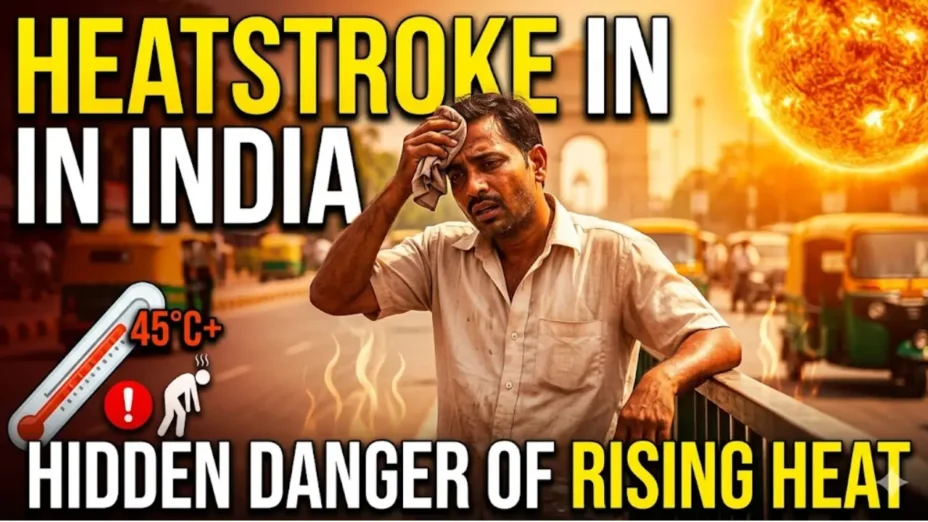
India is currently facing one of its most intense summers in recent years, with temperatures crossing 40–45°C in many states. What once felt like a seasonal inconvenience is now turning into a serious health crisis. Hospitals across the country, including leading institutions like Dr Ram Manohar Lohia Hospital and Atal Bihari Vajpayee Institute of Medical Sciences, are reporting a surge in patients suffering from severe heat-related illnesses, particularly heatstroke.
Many of these patients arrive confused, dehydrated, and sometimes unconscious. What is alarming is that most of them ignore the early warning signs such as fatigue, dizziness, and nausea. By the time they seek help, the condition often becomes life-threatening. This growing pattern is not accidental it is deeply connected to climate change, rising urban heat, and lack of awareness.
In this detailed guide, we will explore what heatstroke really is, how it differs from dehydration, why cases are increasing in India, and what practical steps you can take to protect yourself and your loved ones.
Understanding Heatstroke: A Silent Medical Emergency
Heatstroke is one of the most dangerous heat-related illnesses. It occurs when the body loses its ability to regulate its internal temperature. According to medical experts like Dr Amlendu Yadav, heatstroke is defined as a condition where the body temperature exceeds 105°F (40.5°C) along with serious central nervous system symptoms.
Unlike fever, where the body can control temperature through internal mechanisms, heatstroke is a complete breakdown of that system. The body stops sweating effectively, and heat builds up rapidly. This leads to symptoms like confusion, agitation, nausea, vomiting, dizziness, seizures, and in severe cases, coma.
This is what makes heatstroke extremely dangerous. Once the body crosses a certain temperature threshold, it cannot cool itself without external help. Immediate intervention becomes critical for survival.
Heatstroke vs Dehydration: Knowing the Difference
One of the most common misconceptions is confusing heatstroke with dehydration. While both conditions may occur together, they are fundamentally different.
Dehydration is primarily about loss of fluids in the body. It reduces blood volume and leads to symptoms like thirst, dry mouth, and weakness. Heatstroke, on the other hand, is related to uncontrolled body temperature.
In simple terms, dehydration is about “lack of water,” while heatstroke is about “excess heat.” A person can be dehydrated without having heatstroke, but untreated dehydration in extreme heat can increase the risk of developing heatstroke.
Understanding this difference is crucial because heatstroke requires immediate cooling, not just hydration.
Early Warning Signs Most People Ignore
One of the biggest reasons behind rising heatstroke cases in India is the tendency to ignore early symptoms. Many people continue working or traveling despite feeling unwell in extreme heat.
Initially, the body shows warning signs such as fatigue, excessive sweating, thirst, dizziness, and nausea. As exposure continues, these symptoms worsen. The person may start feeling confused, disoriented, or unusually irritable.
In many reported cases, patients reaching hospitals cannot recall what happened before they collapsed. This memory loss is a sign that the brain has already been affected.
Recognizing these early signals can make the difference between life and death. The moment symptoms appear, immediate action is necessary.
Why Heatstroke Cases Are Rising in India
The rise in heatstroke cases is closely linked to climate change and urbanization. According to reports by the India Meteorological Department, heatwaves are becoming more frequent, longer, and more intense across the country.
Cities are experiencing the “urban heat island effect,” where concrete structures trap heat and raise temperatures even further. Rural areas are not spared either, especially regions with high humidity.
Medical experts have observed that heatstroke was relatively rare a decade ago. However, in recent years, hospitals have started setting up dedicated heatstroke units due to increasing patient load.
Data from 2024 shows that dozens of patients were admitted in a single hospital, with a significant number of fatalities due to delayed treatment. Globally, untreated heatstroke has a mortality rate of up to 80 percent. However, with timely intervention, this can drop to around 10 percent.
Who Is Most at Risk During Heatwaves
Heatstroke does not affect everyone equally. Certain groups are more vulnerable due to their lifestyle, occupation, or physical condition.
Outdoor workers such as traffic police, construction workers, street vendors, and security guards face continuous exposure to high temperatures. Children and elderly individuals are also at higher risk because their bodies cannot regulate temperature efficiently.
People with chronic illnesses, poor hydration habits, or lack of access to cooling facilities are particularly vulnerable. Even healthy individuals can suffer from heatstroke if exposed to extreme conditions for long periods.
Inside a Heatstroke Unit: How Treatment Saves Lives
With the increasing number of cases, hospitals have developed specialized heatstroke units focused on rapid response and cooling.
The most effective treatment is immediate cooling of the body. One widely used method is cold water immersion, where patients are placed in chilled water under constant monitoring. The goal is to reduce body temperature gradually but quickly, ideally bringing it down to safe levels within 30 minutes.
Advanced setups include ice-making machines, temperature monitoring systems, and emergency cooling techniques. Ambulances are also being equipped to start cooling even before reaching the hospital.
One innovative method used in field conditions is TACO (Tarpaulin Assisted Cooling). In this technique, the patient is placed on a tarpaulin along with ice and gently moved to accelerate cooling.
The key principle remains simple: every minute counts. The earlier the cooling begins, the higher the chances of survival.
First Aid Steps That Can Save a Life
In a heatstroke emergency, immediate action by bystanders can be lifesaving. If a person shows signs of heatstroke, the first step is to move them to a shaded or cooler area.
If the person is conscious, giving cool water or oral rehydration solution can help. Cold sponging using wet cloths can reduce body temperature. Applying ice packs to areas like the armpits and neck is also effective.
Avoid giving very cold drinks in large quantities suddenly, as it may cause shock. The focus should be on gradual cooling while arranging medical help.
Simple awareness of these steps can prevent fatalities, especially in areas where immediate medical access is limited.
Daily Habits to Prevent Heatstroke
Prevention is always better than cure, especially in extreme heat conditions. Adopting simple daily habits can significantly reduce the risk.
Hydration is the most important factor. Drinking enough fluids throughout the day helps the body maintain temperature balance. Natural drinks like buttermilk, coconut water, lemon juice, and fresh juices are highly beneficial.
Avoid stepping out during peak heat hours, usually between 12 PM and 4 PM. Wearing light-colored, loose-fitting clothes helps reflect heat and improves ventilation.
Taking regular breaks in shaded areas and avoiding strenuous activities during the hottest part of the day can also reduce risk.
What to Eat and Avoid During Heatwaves
Diet plays a crucial role in how the body responds to heat. Light and easily digestible foods are ideal during summer. Foods with high water content such as fruits and vegetables help maintain hydration.
Traditional Indian drinks like lassi, chaas, and coconut water are not just refreshing but also help replenish electrolytes.
On the other hand, heavy, oily, and spicy foods should be avoided as they increase internal body heat. Excessive caffeine and alcohol can also lead to dehydration.
While ice cream may provide temporary relief, it does not contribute significantly to cooling the body from within.
Do Traditional Remedies Like Carrying Onion Work?
During heatwaves, traditional remedies often gain popularity. One such belief is that carrying an onion in your pocket can prevent heatstroke.
However, there is no scientific evidence to support this claim. Medical experts emphasize relying on proven methods like hydration, proper clothing, and avoiding heat exposure rather than unverified remedies.
Can Heatstroke Affect Mental Health?
One of the lesser-known impacts of heatstroke is its effect on the brain. Prolonged exposure to high temperatures can damage proteins and enzymes in the body, including those in the brain.
Some patients experience long-term neurological issues such as memory loss, confusion, or reduced cognitive ability. In severe instances, complete recovery may not be achievable.
This highlights the importance of early treatment and prevention. Heatstroke is not just a temporary condition it can have lasting consequences.
Government Awareness and Public Health Measures
The Indian government, along with organizations like the National Disaster Management Authority, has issued guidelines to combat heatwaves.
These include early warning systems, public awareness campaigns, and setting up cooling shelters in high-risk areas. States are also implementing heat action plans to reduce casualties.
You can check official heatwave alerts and safety guidelines on the NDMA website:
https://ndma.gov.in
Staying informed through reliable sources can help you take timely precautions.
Conclusion: Awareness Is the Real Lifesaver
Heatstroke is no longer a rare medical condition. It is a growing public health challenge in India, driven by climate change and rising temperatures.
The positive aspect is that it can be mostly avoided. Awareness, early recognition of symptoms, and timely action can save lives. Whether you are a daily wage worker, a student, or someone working indoors, understanding the risks and taking precautions is essential.
As summers become harsher, adapting our lifestyle and spreading awareness will be the most effective defense against this silent but deadly threat.
FAQs on Heatstroke in India
What is the first sign of heatstroke?
The earliest signs include fatigue, dizziness, excessive sweating, nausea, and thirst. Disregarding these symptoms may result in serious complications.
How is heatstroke different from dehydration?
Dehydration is loss of body fluids, while heatstroke is a failure of the body’s temperature control system. Heatstroke is more dangerous and requires immediate cooling.
Can heatstroke be treated at home?
Mild symptoms can be managed with hydration and cooling, but severe cases require immediate medical attention.
What is the recommended amount of water to consume during extreme heat?
There is no fixed amount, but regular intake throughout the day is essential. Drink more if you are sweating or working outdoors.
Who is most at risk of heatstroke?
Outdoor workers, children, elderly people, and those with health conditions are most vulnerable.
Is heatstroke fatal?
Yes, if untreated, it can be fatal. Nevertheless, prompt medical intervention can greatly diminish the likelihood of mortality.