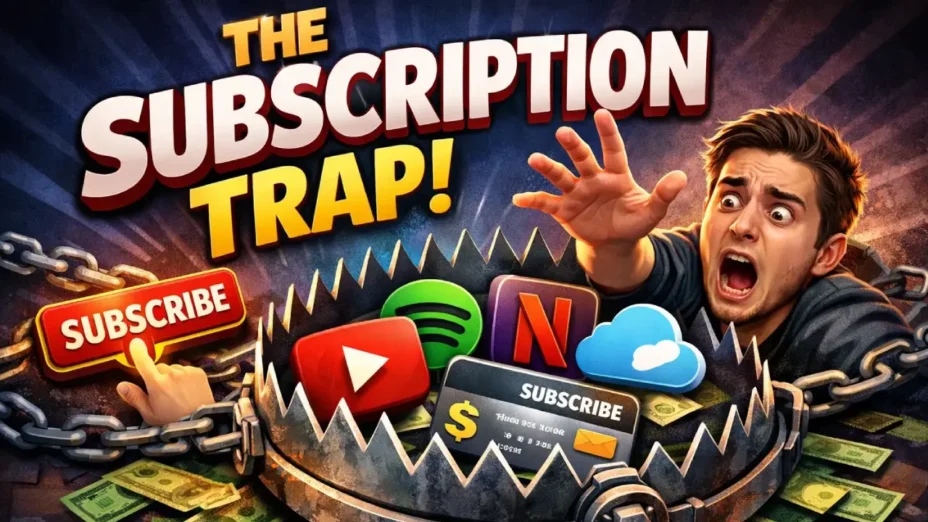
The Rise of the Subscription Economy
From Ownership to Access
Not too long ago, buying something meant actually owning it. You’d purchase software on a CD, own your music collection, and maybe even hold onto physical manuals like trophies of your investment. Fast forward to today, and that sense of ownership has quietly slipped through our fingers. Instead, we’ve entered what many call the subscription economy, where access has replaced ownership in almost every corner of modern life.
Think about it—when was the last time you “bought” software outright? Most likely, you’re paying monthly for tools like Microsoft 365, Adobe Creative Cloud, or even cloud storage services. Streaming platforms have replaced DVDs, and even cars, fitness equipment, and home security systems are shifting toward subscription-based access. It’s like renting has become the default mode of existence.
This shift didn’t happen overnight. It was gradual, almost invisible. Companies started offering subscriptions as a “convenient alternative,” promising lower upfront costs and continuous updates. And to be fair, that pitch sounded reasonable. Who wouldn’t want to avoid paying hundreds of dollars upfront?
But here’s the catch: over time, those small monthly fees add up often far exceeding the cost of outright ownership. What feels like flexibility is sometimes just a cleverly disguised long-term commitment.
There’s also a psychological shift happening. When you don’t own something, you’re less likely to question its ongoing cost. It becomes part of your routine, like a utility bill. And that’s exactly where companies want you comfortable, dependent, and consistently paying.
Why Companies Prefer Subscriptions
From a business perspective, subscriptions are a goldmine. Instead of relying on one-time purchases, companies get predictable, recurring revenue. That stability makes financial forecasting easier and boosts company valuations significantly. Investors love subscription-based businesses because they offer reliable income streams rather than unpredictable sales spikes.
But it goes deeper than just revenue consistency. Subscriptions create a direct, ongoing relationship between companies and users. This means businesses can continuously collect data, refine their offerings, and even upsell additional features over time. It’s not just about selling a product anymore it’s about maintaining a long-term customer lifecycle.
There’s also a strategic advantage: customer lock-in. Once you’re embedded in a subscription ecosystem, leaving becomes inconvenient. Your files are stored in proprietary formats, your workflows depend on specific tools, and switching often requires time, effort, and sometimes even money. Companies design their systems to make this transition as friction-heavy as possible.
Another subtle benefit for companies is price flexibility. With subscriptions, they can increase prices gradually without causing immediate backlash. A small price hike here and there often goes unnoticed, especially when bundled with “new features” or improvements.
In essence, subscriptions shift power toward companies. They turn customers into ongoing revenue sources rather than one-time buyers. And while that might make business sense, it raises an important question: what does it mean for you as a consumer?
The Psychology Behind Subscription Models
The Illusion of Affordability
At first glance, subscriptions feel like a bargain. Paying $9.99 a month sounds far more manageable than dropping $120 upfront. It’s the classic “small bite” strategy breaking down a large cost into digestible pieces that feel almost insignificant.
But here’s where things get tricky. Our brains are wired to focus on immediate costs rather than long-term totals. This cognitive bias makes subscriptions incredibly effective. You’re not thinking about the yearly or lifetime expense; you’re thinking about what you’re paying right now.
Let’s say you subscribe to five services at $10 each. That’s $50 a month seemingly reasonable. But over a year, that’s $600. Over five years? $3,000. Suddenly, that “affordable” setup doesn’t look so harmless.
Companies understand this psychology deeply. They design pricing structures to appear low-risk and accessible, knowing that most users won’t calculate the cumulative cost. It’s like a leaky faucet you don’t notice the drip until you see the water bill.
There’s also the “free trial trap.” You sign up for a free trial, intending to cancel before being charged. But life gets busy, you forget, and suddenly you’re billed. Even worse, some services make cancellation intentionally difficult, requiring multiple steps or hidden options.
The illusion of affordability isn’t just about price it’s about perception. And once you’re in, that perception keeps you there.
Behavioural Hooks That Keep You Paying
Subscriptions aren’t just about pricing they’re engineered using behavioural psychology to keep you engaged and paying. One powerful tactic is the concept of “sunk cost fallacy.” Once you’ve invested time or money into a service, you’re less likely to cancel because you don’t want that investment to feel wasted.
Think about streaming platforms. Even if you’re not actively watching, you might keep your subscription because you’ve built playlists, watch histories, or personalized recommendations. It feels like leaving would mean starting over somewhere else.
Another tactic is habit formation. Many subscription services aim to become part of your daily routine. Whether it’s checking your favourite app, listening to music, or using productivity tools, these habits reinforce the value of the subscription even if you’re not fully utilizing it.
There’s also the fear of missing out (FOMO). Limited-time content, exclusive features, or constantly updated libraries create a sense of urgency. You feel like cancelling means missing something important.
And then there’s friction or rather, the strategic use of it. Signing up is usually effortless, but cancelling? Not so much. Hidden menus, confusing options, and retention offers all serve one purpose: to make you think twice about leaving.
These behavioural hooks aren’t accidental. They’re carefully designed to maximize retention and minimize churn. And more often than not, they work.
Where Subscriptions Are Hiding Today
Software and Digital Tools
If there’s one place where the subscription model has fully taken over, it’s software. What used to be a one-time purchase has now transformed into an ongoing financial commitment. Tools like Adobe Creative Cloud, Microsoft 365, Canva Pro, Notion AI, and even antivirus programs have embraced subscription pricing so completely that finding a lifetime license feels almost nostalgic like stumbling upon a flip phone in a world of smartphones.
What makes this shift particularly subtle is how seamlessly it integrates into your daily workflow. You don’t think about paying for Photoshop every month—you just open it and get to work. That’s the brilliance of the model. It fades into the background while quietly billing you over and over again. And because these tools are often essential for work, education, or creative projects, cancelling doesn’t feel like an option it feels like a disruption.
There’s also a deeper layer of dependency at play. Many of these platforms rely on cloud-based storage and syncing, which means your files, designs, and documents are often tied to their ecosystem. Cancel your subscription, and you may lose access to editing capabilities or worse, your own content becomes difficult to retrieve or use elsewhere. That’s not just a subscription; that’s a form of digital anchoring.
Let’s not ignore the constant stream of “updates” either. Companies justify subscription costs by rolling out new features, but in reality, not every user benefits from them. You might only use 20% of the tool’s functionality, yet you’re paying for 100% of its evolving ecosystem. It’s like renting an entire toolbox when you only need a screwdriver.
And then there’s tiered pricing. Basic, Pro, Premium each level designed to nudge you upward with just enough limitations in the lower tiers to make upgrading feel necessary. It’s a carefully engineered ladder, and once you step onto it, climbing down isn’t always easy.
Everyday Consumer Products
Subscriptions aren’t just confined to digital spaces anymore they’ve quietly crept into everyday physical products too. From razors and toothbrushes to coffee, pet food, and even mattresses, companies are redefining how we consume basic goods. What used to be a simple purchase is now a recurring delivery tied to your credit card.
At first glance, it feels convenient. Who wouldn’t want toothpaste or laundry detergent delivered automatically? It saves time, reduces decision fatigue, and sometimes even offers small discounts. But convenience often comes with a hidden cost: reduced awareness. When products show up on your doorstep like clockwork, you stop questioning whether you actually need them.
This model thrives on automation and inertia. Once you subscribe, the default is to keep receiving and paying. You might end up with excess products piling up, but cancelling or adjusting delivery schedules requires effort. And let’s be honest, most people don’t prioritize managing these small subscriptions regularly.
Even more surprising is how industries like automotive and fitness are adopting this approach. Some car manufacturers now charge monthly fees for features like heated seats or advanced navigation systems features that are physically built into the car but locked behind a paywall. Similarly, high-end fitness equipment often requires ongoing subscriptions to access classes or full functionality.
Here’s a quick look at how widespread this has become:
| Category | Examples of Subscription Products | Monthly Cost Range |
| Software | Adobe, Microsoft 365, Zoom | $5 – $60 |
| Streaming | Netflix, Spotify, Disney+ | $7 – $20 |
| Household Goods | Dollar Shave Club, Amazon Subscribe & Save | $5 – $30 |
| Fitness & Health | Peloton, Fitbit Premium | $10 – $50 |
| Automotive Features | BMW heated seats subscription | $15 – $30 |
This expansion into physical goods signals something bigger: subscriptions are no longer just a pricing model they’re becoming a default consumption pattern. And the more normalized they become, the less we question their long-term impact.
The Financial Impact of Monthly Payments
The True Cost Over Time
Subscriptions have a way of disguising their true cost, almost like a magician diverting your attention while the real trick happens elsewhere. A $10 monthly fee doesn’t feel like much it’s less than a meal out or a couple of coffees. But stretch that across a year, and suddenly you’re looking at $120. Over five years? That’s $600. Multiply that by multiple subscriptions, and the numbers escalate quickly.
What’s interesting is how rarely people sit down and calculate these totals. According to a 2025 consumer finance survey by C+R Research, the average consumer underestimates their monthly subscription spending by over 40%. That gap between perception and reality is where the subscription model thrives.
Let’s break it down with a simple example. Imagine you have:
- 3 streaming services ($15 each)
- 2 software tools ($20 each)
- 2 miscellaneous subscriptions ($10 each)
That’s $105 per month. Over a year, that’s $1,260. Over a decade? You’re looking at $12,600 and that’s without accounting for price increases.
Here’s the part that often gets overlooked: opportunity cost. That same money could have been invested, saved, or used for one-time purchases that provide lasting value. Instead, it’s being funnelled into temporary access.
There’s also the issue of price creep. Companies rarely keep subscription prices static. Over time, they introduce small increases $1 here, $2 there often justified by new features or inflation. Individually, these changes seem insignificant, but collectively, they can significantly raise your annual expenses.
And because these payments are automated, they rarely trigger the same level of scrutiny as one-time purchases. You don’t “feel” the expense in the same way, which makes it easier to overlook.
Subscription Creep Explained
“Subscription creep” is exactly what it sounds like—the gradual accumulation of subscriptions over time, often without conscious awareness. It starts innocently enough. You sign up for a streaming service, then add a productivity tool, maybe a fitness app, and before you know it, you’re juggling a dozen recurring charges.
The problem isn’t just the number of subscriptions it’s the lack of visibility. When payments are scattered across different platforms and billing cycles, it becomes difficult to track them all. Some renew monthly, others annually, and a few might even have hidden fees or add-ons.
This fragmentation creates the perfect environment for overspending. You might forget about a service you no longer use, yet it continues to charge you month after month. It’s like paying rent on a room you never enter.
There’s also a psychological component. Cancelling a subscription often feels like losing something, even if you’re not actively using it. That sense of loss combined with the effort required to cancel keeps many people locked in.
Interestingly, companies are aware of this phenomenon and sometimes rely on it. A certain percentage of users will continue paying simply because they forget or don’t prioritize cancelling. It’s not necessarily malicious, but it’s certainly strategic.
One way to visualize subscription creep is to think of it as digital clutter. Just as physical clutter can overwhelm your living space, subscription clutter can overwhelm your finances. And just like decluttering a room, addressing it requires intentional effort.
How Tech Ecosystems Lock You In
Integration and Dependency
Modern tech ecosystems are designed to be incredibly convenient—and that’s exactly what makes them hard to leave. When all your tools, data, and devices work seamlessly together, switching to an alternative feel like dismantling a well-oiled machine.
Take the Apple ecosystem as an example. Your iPhone syncs with your Mac, your photos are stored in iCloud, your notes are shared across devices, and your apps are interconnected. It’s smooth, intuitive, and efficient. But that same integration creates dependency. Moving away means transferring data, learning new systems, and potentially losing functionality.
This isn’t limited to Apple. Google, Microsoft, and other tech giants have built similar ecosystems. Each service feeds into the next, creating a network of interdependencies that reinforce user loyalty. And subscriptions are often the glue holding it all together.
There’s also the issue of proprietary formats and platforms. Files created in one software may not translate perfectly to another. Workflows become tailored to specific tools, making alternatives less appealing or even impractical.
From a user perspective, it feels like convenience. From a company perspective, it’s retention strategy. The more integrated their services are, the less likely you are to leave.
Switching Costs and Friction
Even when you recognize that a subscription isn’t worth it, cancelling isn’t always straightforward. This is where switching costs come into play not just financial costs, but time, effort, and mental energy.
Imagine you want to switch from one project management tool to another. You’ll need to migrate data, retrain your team, and adjust workflows. That’s a significant investment, even if the new tool is cheaper or better.
Companies often amplify this friction intentionally. Cancelation processes may involve multiple steps, hidden options, or retention offers designed to make you reconsider. Some services even require you to contact customer support instead of allowing a simple online cancellation.
There’s also the fear of disruption. What if the new service doesn’t meet your expectations? What if you lose important data? These uncertainties create hesitation, which often leads to inaction.
In many ways, the subscription model thrives not because users love it, but because leaving feels harder than staying.
Are Subscriptions Ever Worth It?
When They Make Sense
It would be misleading to paint subscriptions as purely negative. In reality, there are situations where they genuinely provide value sometimes even more than traditional ownership. The key difference lies in usage, flexibility, and necessity. When a subscription aligns closely with how often you use a product or service, it can actually save money and reduce hassle.
For example, consider streaming platforms. If you regularly watch movies, shows, or documentaries, paying a monthly fee for access to a vast library makes practical sense. Buying individual titles would quickly become more expensive and less convenient. The same applies to music streaming few people want to purchase thousands of songs individually when a single subscription unlocks millions.
Subscriptions also shine in industries where continuous updates and improvements are essential. Software like cybersecurity tools or cloud-based collaboration platforms benefit from real-time updates that keep systems secure and efficient. In these cases, a one-time purchase model might leave users vulnerable or stuck with outdated features.
There’s also an argument for short-term or situational subscriptions. Maybe you only need a design tool for a specific project or a fitness app during a particular season. Subscriptions allow you to pay only when you need the service, avoiding long-term commitments. This flexibility can be especially useful for freelancers, students, or anyone with fluctuating needs.
Another overlooked benefit is lower upfront cost. Not everyone can afford to spend hundreds of dollars at once, even if it’s cheaper in the long run. Subscriptions break down that barrier, making tools and services more accessible. For many people, that accessibility outweighs the cumulative cost.
The trick is intentionality. A subscription is worth it when you actively use it, derive consistent value, and understand its long-term cost. It stops being worth it when it becomes background noise—something you’re paying for simply because it’s there.
When They Don’t
On the flip side, subscriptions become problematic when they drift into your life without purpose. The most obvious red flag is underutilization. If you’re paying for a service you rarely or never use, it’s not a convenience it’s a financial leak.
This happens more often than people realize. You sign up for a free trial, forget to cancel, and months later you’re still being charged. Or maybe your interests change you stop going to the gym, lose interest in a streaming platform, or switch to a different tool but the subscription lingers.
Another scenario where subscriptions fall short is when they replace simple, one-time purchases unnecessarily. Do you really need a monthly plan for a basic calculator app or a note-taking tool with minimal features? In many cases, free or one-time alternatives exist, but they’re overshadowed by aggressive subscription marketing.
Subscriptions also lose their value when they create dependency without flexibility. If cancelling means losing access to your own data or significantly disrupting your workflow, you’re no longer choosing the service freely you’re locked into it. That’s not value; that’s constraint.
There’s also the issue of stacking services. You might subscribe to multiple platforms offering similar content or functionality, thinking each one adds value. But in reality, you’re duplicating expenses. For instance, how many streaming services do you actively use each week?
A simple way to evaluate a subscription is to ask: “Would I buy this if it required a one-time payment equivalent to a year’s cost?” If the answer is no, it’s worth reconsidering.
Strategies to Escape the Subscription Trap
Auditing Your Expenses
Escaping the subscription trap doesn’t require drastic action it starts with awareness. The first and most effective step is conducting a subscription audit. This means taking a close look at every recurring charge in your financial life, no matter how small.
Start by reviewing your bank statements, credit card bills, and digital payment accounts. You could be surprised by the results. Subscriptions often hide under vague billing names, making them easy to overlook. Once you identify them, list each one along with its monthly or annual cost.
From there, categorize them:
- Essential (used frequently and necessary)
- Occasional (used sometimes but not critical)
- Unused (rarely or never used)
This simple exercise can be eye-opening. Many people discover they’re paying for services they completely forgot about. According to a 2025 report by Rocket Money, nearly 70% of consumers have at least one unused subscription.
Next, calculate the total cost. Seeing the annual figure can shift your perspective dramatically. A handful of small charges can add up to thousands of dollars over time.
Canceling unused subscriptions should be straightforward, but be prepared for some friction. Companies may offer discounts or incentives to keep you. Stay focused on your goal—reducing unnecessary expenses.
For the subscriptions you keep, consider optimizing them. Could you switch to a lower tier? Share a family plan? Pay annually for a discount? Minor changes can result in significant cost reductions.
Choosing Alternatives
Once you’ve trimmed the excess, the next step is finding alternatives that align better with your needs. This doesn’t mean eliminating subscriptions entirely it means being more selective and strategic.
In many cases, one-time purchase options still exist, especially for software. Open-source tools, standalone apps, and older versions of programs can provide similar functionality without recurring costs. They might not have all the bells and whistles, but they often cover the essentials.
There’s also a growing movement toward ownership-focused platforms. Some companies are recognizing consumer fatigue with subscriptions and offering lifetime deals or pay-once models. These options can be particularly appealing if you value long-term savings over continuous updates.
Another approach is rotation. Instead of subscribing to multiple streaming services simultaneously, rotate them based on what you want to watch. Subscribe for a month, binge your content, then cancel and switch to another platform. This strategy maintains access while minimizing cost.
Sharing is another powerful tool. Family plans or group subscriptions can significantly reduce individual expenses. Just make sure it aligns with the service’s terms of use.
Ultimately, the goal isn’t to reject subscriptions entirely it’s to regain control. When you choose intentionally, subscriptions become tools rather than traps.
The Future of Ownership in a Subscription World
Will Ownership Disappear?
The trajectory of the subscription economy raises an uncomfortable question: are we moving toward a world where ownership becomes obsolete? While it might sound extreme, the trend is hard to ignore. From software and media to physical products and even transportation, access is steadily replacing ownership.
One driving force behind this shift is convenience. Subscriptions remove the burden of maintenance, updates, and long-term commitment. You don’t need to worry about upgrading software, replacing outdated products, or managing storage. Everything is handled for you—for a recurring fee.
There’s also an economic angle. Companies benefit more from ongoing revenue than one-time sales, so they’re incentivized to push subscription models wherever possible. As technology advances, it becomes easier to lock features behind paywalls, even in products you physically own.
However, ownership isn’t disappearing entirely it’s evolving. Certain categories, like real estate, collectibles, and durable goods, still rely on traditional ownership models. But even these are being influenced by subscription-like services, such as leasing or shared ownership platforms.
What’s likely is a hybrid future. Some aspects of life will remain ownership-based, while others will be dominated by access models. The challenge for consumers is navigating this landscape without losing autonomy.
Consumer Pushback and Trends
As subscriptions become more pervasive, consumer awareness is growing. People are starting to question the value of recurring payments and push back against unnecessary or exploitative models. This change is already affecting market trends.
For instance, there’s increasing demand for transparent pricing and easy cancellation policies. Governments and regulatory bodies are also stepping in, introducing rules that require companies to make cancelation as simple as sign-up. This reduces friction and gives consumers more control.
Another trend is the rise of “subscription fatigue.” With so many services competing for attention (and money), users are becoming more selective. They’re prioritizing quality over quantity and cutting back on redundant subscriptions.
Interestingly, some companies are responding by reintroducing lifetime deals or hybrid pricing models. These options cater to users who prefer ownership while still offering subscription-based flexibility for others.
There’s also a cultural shift happening. Minimalism, financial independence, and conscious spending are gaining traction, especially among younger generations. These movements encourage people to evaluate their expenses more critically, including subscriptions.
The future isn’t set in stone. While subscriptions are likely to remain a dominant model, consumer behavior will shape how they evolve. And as awareness grows, the balance of power may slowly shift back toward the user.
Conclusion
The subscription model isn’t inherently good or bad it’s a tool. But like any tool, its impact depends on how it’s used. What started as a convenient alternative to ownership has quietly transformed into a widespread system of recurring payments, often operating beneath our awareness.
The real issue isn’t subscriptions themselves it’s the lack of intentionality. When you lose track of what you’re paying for, when small charges accumulate without scrutiny, and when convenience overrides consideration, that’s when the trap takes hold.
Recognizing the patterns psychological hooks, hidden costs, and ecosystem lock-in puts you back in control. You don’t have to reject subscriptions entirely, but you do need to approach them with clarity and purpose.
Because at the end of the day, it’s not just about money it’s about ownership, freedom, and choice.
FAQs
1. Why are subscriptions so popular among tech companies?
Subscriptions provide predictable, recurring revenue and allow companies to maintain ongoing relationships with customers. They also enable continuous updates and data collection, which improve long-term profitability.
2. How can I track all my subscriptions effectively?
You can review bank statements, use budgeting apps, or rely on subscription management tools that automatically detect recurring payments and categorize them.
3. Are subscriptions more expensive than one-time purchases?
Over the long term, they often are. While monthly costs seem low, they accumulate significantly over time, sometimes exceeding the cost of outright ownership.
4. What is subscription fatigue?
Subscription fatigue occurs when consumers feel overwhelmed by the number of services they’re paying for, leading them to cancel or reduce subscriptions.
5. Can I avoid the subscription model entirely?
Not completely, as it’s deeply integrated into modern services. However, you can minimize its impact by choosing alternatives, rotating services, and regularly auditing your expenses.