
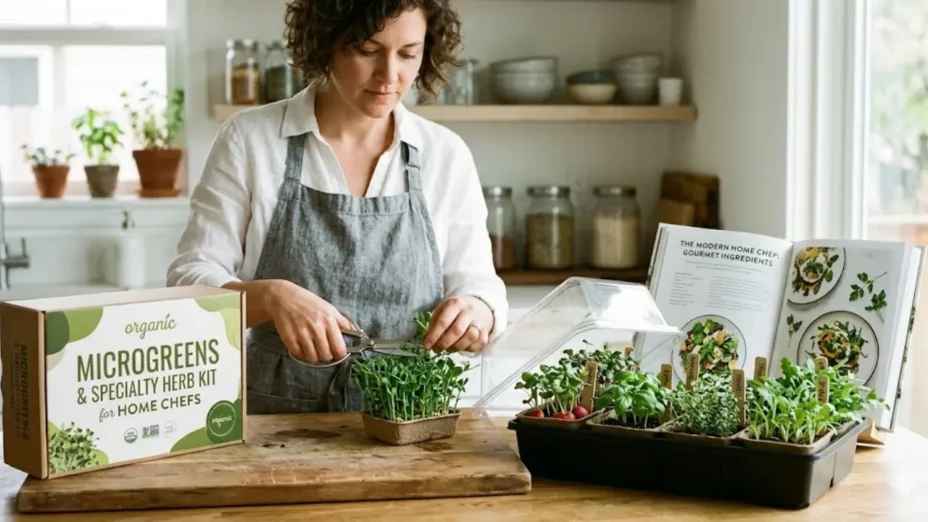
Introduction to Microgreens and Specialty Herbs.
When it comes to elevating your home cooking, there’s nothing quite like the fresh, vibrant touch of microgreens and specialty herbs for home chefs. These tiny plants may seem insignificant at first glance, but don’t let their size fool you they pack intense flavors, vivid colors, and a powerhouse of nutrients.
Over the past decade, home chefs have discovered the joy of growing these greens right in their kitchens, transforming simple dishes into gourmet experiences. The rise of microgreens and specialty herb kits has made this process easier, more accessible, and incredibly rewarding.
So, what exactly are microgreens? Simply put, microgreens are young seedlings of vegetables and herbs harvested just after their first true leaves appear, typically within 7–21 days of germination.
Unlike sprouts, which are grown in water, microgreens are cultivated in soil or a growing medium, giving them a richer nutrient profile and more robust flavor. From sweet pea shoots to spicy radish microgreens, these tiny greens are bursting with vitamins, minerals, and antioxidants. Think of them as nature’s flavor bombs tiny but mighty.
Alongside microgreens, specialty herb kits have become increasingly popular for home chefs looking to experiment with fresh flavors. These kits often include seeds, soil, and containers specifically designed for indoor growing, making them perfect for kitchens, balconies, or any small space.
Imagine plucking fresh basil for your homemade pesto or snipping aromatic thyme for a roast chicken all without stepping outside or buying wilted herbs from the store.
The popularity of these kits is fueled not just by convenience but by the growing awareness of health, sustainability, and culinary creativity. They offer a hands-on gardening experience that anyone can enjoy, regardless of skill level.
In addition to being practical, growing your own microgreens and herbs adds a sense of accomplishment and connection with your food. It’s one thing to cook a dish with ingredients from a store; it’s another to season it with greens you nurtured yourself.
In short, microgreens and specialty herb kits are revolutionizing the way home chefs approach cooking. They bring freshness, flavor, and nutrition to everyday meals while allowing for an eco-friendly, sustainable, and aesthetically pleasing kitchen garden experience.
Whether you’re a beginner or an experienced cook, these tiny plants can completely transform your culinary world.
What Are Microgreens?
Microgreens are essentially miniature versions of fully grown vegetables and herbs, harvested when the first true leaves appear. Their appeal lies not only in their delicate texture and concentrated flavor but also in their extraordinary nutrient density. Research shows that microgreens can contain up to 40 times more vitamins and antioxidants than their mature counterparts. This means a small handful can deliver a substantial health boost a key reason why health-conscious home chefs are increasingly incorporating them into their diets.
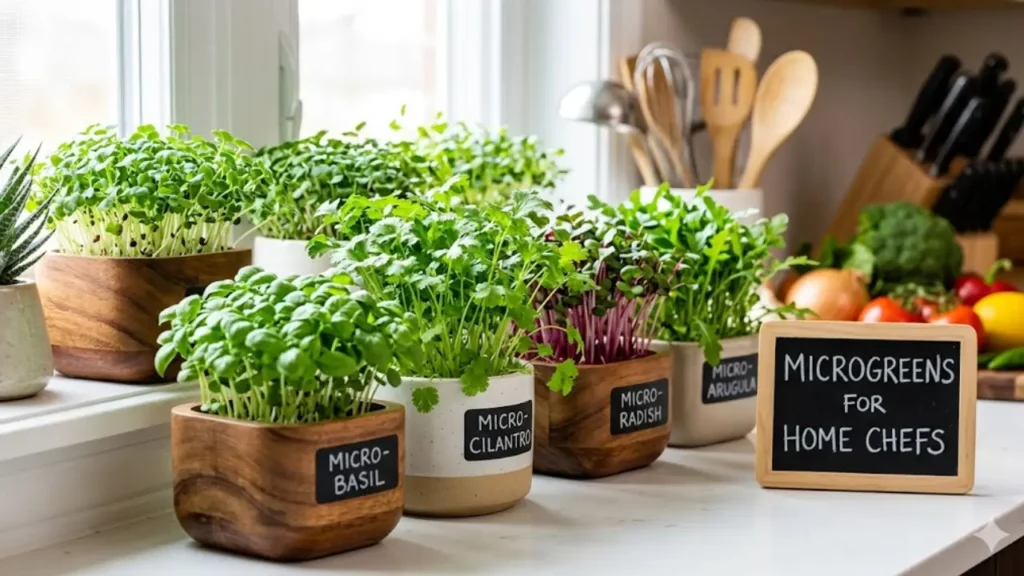
Unlike traditional greens, microgreens are grown in soil or a hydroponic medium rather than water, giving them stronger flavor and texture.
Popular varieties include arugula, mustard greens, kale, radish, and sunflower shoots. Each type has a unique taste, ranging from peppery and spicy to sweet and nutty, making them versatile additions to salads, sandwiches, and garnishes.
Because they mature so quickly, usually within two to three weeks, microgreens provide almost instant gratification for gardeners who want fresh produce without the long wait.
Cultivating microgreens at home also allows for experimentation. Imagine combining spicy radish microgreens with sweet pea shoots for a layered flavor profile or pairing coriander microgreens with lemon-infused chicken.
The possibilities are endless, and the aesthetic appeal cannot be overstated vivid green leaves, purple stems, and delicate textures add a gourmet touch to any plate.
From a culinary perspective, microgreens are not just decorative they influence taste, aroma, and mouthfeel. A pinch of fresh basil microgreens can completely elevate a pasta dish, while sunflower shoots can add crunch to a smoothie bowl. They are essentially small-scale, high-impact ingredients that give home chefs a creative edge.
The Rise of Specialty Herb Kits.
Specialty herb kits have emerged as a response to the growing desire for homegrown, fresh ingredients. These kits make it easy for anyone to cultivate herbs indoors, regardless of space, climate, or gardening experience.
Typically, a kit includes seeds, soil, growing trays, and instructions, offering a straightforward path from seed to harvest.
The kits cover a wide range of herbs, from kitchen staples like basil, thyme, and parsley to exotic options like lemon verbena, Thai basil, and purple shiso. This variety allows home chefs to explore international cuisines, try new flavor profiles, and enhance their dishes with fresh, aromatic herbs on demand.
Beyond flavor, these kits are eco-friendly alternatives to store-bought herbs, which are often overpackaged and have a short shelf life.
The convenience factor is another reason these kits are booming in popularity. In the past, growing herbs required a garden, pots, and careful attention to watering and sunlight.
Today, kits simplify the process with compact, self-contained systems that fit on windowsills, counters, or small balconies. This accessibility opens up the joy of gardening to apartment dwellers, busy professionals, and anyone curious about cooking with fresh ingredients.
Specialty herb kits also make perfect gifts for culinary enthusiasts, encouraging experimentation and hands-on learning. They combine practicality with fun, giving people the opportunity to engage in sustainable gardening while enhancing their cooking skills.
Over time, as more people embrace indoor gardening, these kits are reshaping kitchens into mini urban farms, where flavor, freshness, and creativity converge.
Benefits of Growing Microgreens at Home.
Growing microgreens at home offers a multitude of benefits that go far beyond simply having fresh greens on hand. For home chefs, these tiny plants are not just ingredients they are lifestyle enhancers, adding nutrition, flavor, and even a bit of gardening therapy to everyday life.
Whether you’re a busy professional, a health-conscious parent, or a culinary experimenter, microgreens bring tangible advantages that make them worth cultivating in your kitchen.
Nutritional Advantages.
One of the most compelling reasons to grow microgreens at home is their nutrient density. Studies from the USDA and other research institutions have shown that microgreens often contain significantly higher concentrations of vitamins, minerals, and antioxidants compared to mature greens.
For example, red cabbage microgreens can have up to 40 times more vitamin C than fully grown cabbage, while cilantro microgreens are loaded with vitamin K and beta-carotene. Even a small handful can provide a concentrated burst of nutrition, making it easy to supplement your diet with essential micronutrients.
Homegrown microgreens also allow you to control the growing conditions, which can impact nutritional quality. You can choose organic seeds, chemical-free soil, and clean water sources, ensuring that the greens you consume are pure and safe. This control is especially important for individuals with dietary restrictions or those who want to maximize the health benefits of every meal.
By cultivating microgreens at home, you’re not just growing food you’re nurturing your body with the freshest, most potent nutrients possible.
Culinary Creativity and Flavor Boosts.
Microgreens are a flavor powerhouse. Despite their small size, they pack intense taste, ranging from peppery and tangy to sweet and nutty. Radish microgreens, for instance, add a sharp, spicy kick, while pea shoots deliver a delicate sweetness reminiscent of fresh peas.
By growing your own microgreens, home chefs gain access to a palette of flavors that can transform ordinary dishes into culinary masterpieces.
The convenience of having fresh greens at your fingertips encourages experimentation. You can layer different microgreens on salads, blend them into smoothies, or use them as garnishes for soups and entrees.
Even simple meals, like avocado toast or scrambled eggs, can gain complexity and visual appeal with a handful of colorful, crisp microgreens. Over time, this practice not only improves flavor but also fosters creativity, as chefs discover new pairings and applications for these versatile greens.
Mental and Emotional Benefits.
Gardening, even on a small scale, has been linked to reduced stress, improved mood, and enhanced cognitive function. Growing microgreens at home is particularly satisfying because it offers instant gratification.
Unlike traditional vegetable gardening, which can take months, microgreens are ready to harvest in as little as one to three weeks. This rapid turnaround provides a tangible sense of accomplishment, reinforcing positive feelings and motivating further cultivation.
The act of nurturing living plants also has meditative qualities. Watering seeds, watching them sprout, and harvesting mature microgreens fosters mindfulness and connection with nature even in an urban apartment setting.
Many home chefs find that this hands-on experience not only improves mental well-being but also deepens their appreciation for the food they cook, creating a more meaningful relationship between kitchen and garden.
In essence, growing microgreens at home is a triple win: you gain nutritional power, culinary versatility, and emotional satisfaction. These small greens may be tiny, but their benefits are massive, making them a perfect addition to any home chef’s kitchen.
Popular Microgreens for Home Chefs.
If you’re new to microgreens, the variety can be exciting but also overwhelming. Not all microgreens are created equal, and certain types are better suited for beginners or specific culinary purposes.
Here’s a breakdown of some of the most popular microgreens that home chefs love, along with tips on flavor, nutrition, and growing ease.
Mustard Greens.
Mustard greens are a classic choice for microgreen enthusiasts. Their sharp, peppery flavor adds a bold kick to sandwiches, salads, and garnishes.
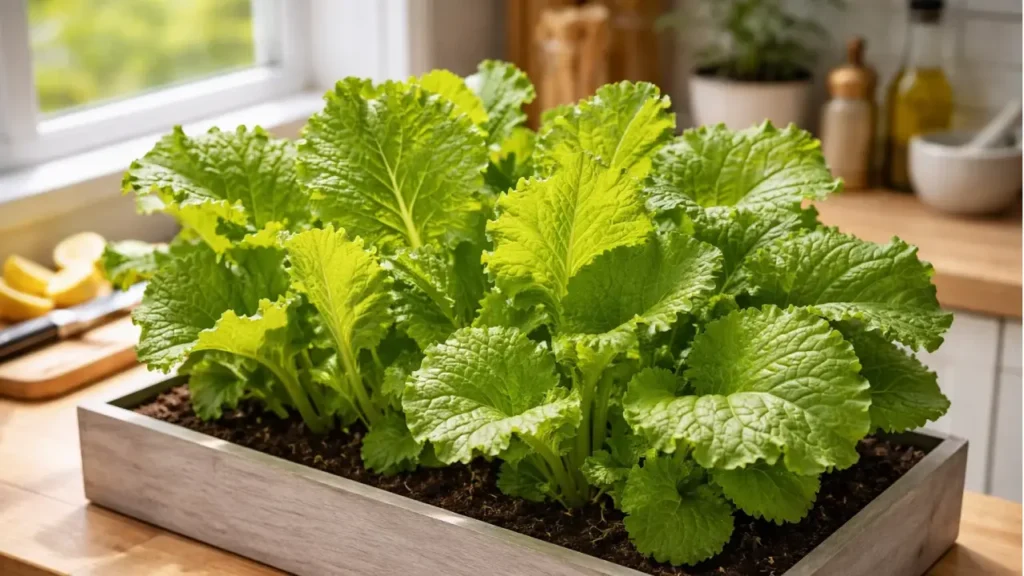
Nutritionally, mustard microgreens are packed with vitamins A, C, E, and K, as well as antioxidants that support immune function and cardiovascular health. These greens grow quickly often ready in just 7–10 days and are resilient, making them ideal for first-time growers.
One of the best features of mustard microgreens is their versatility. They pair well with roasted meats, eggs, and creamy dressings, providing a contrast in both flavor and texture. Additionally, the vibrant green leaves and purple stems of certain mustard varieties add visual appeal, elevating the aesthetic of even simple dishes.
For home chefs seeking a bold, nutritious addition to meals, mustard microgreens are an easy and rewarding choice.
Radish Sprouts.
Radish microgreens are another favorite due to their zesty, slightly spicy flavor reminiscent of mature radishes but more concentrated.
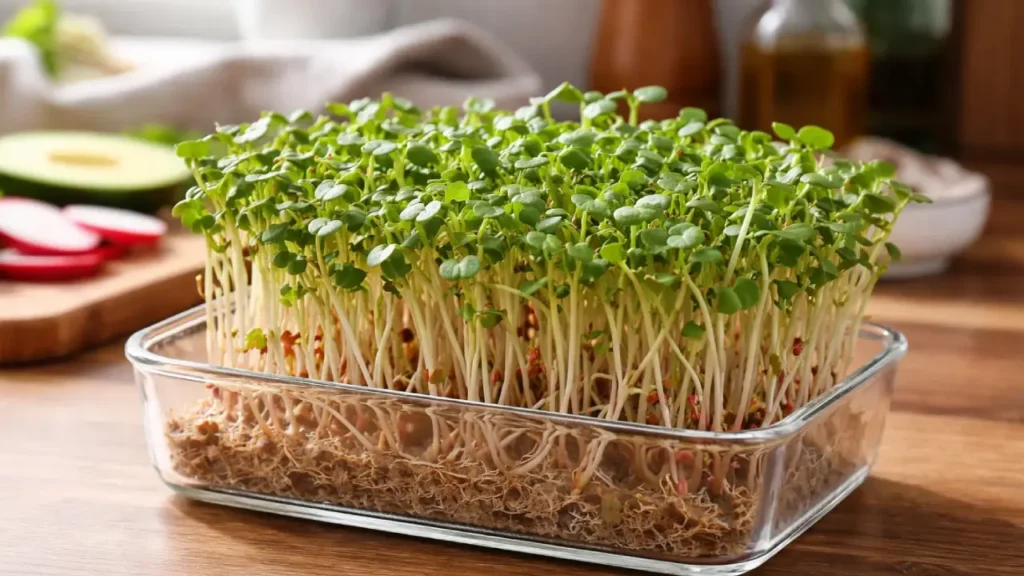
They are extremely fast-growing, often ready for harvest in as little as 5–7 days, making them perfect for quick, ongoing kitchen harvests. Nutritionally, radish sprouts are rich in vitamin C, folate, and minerals like calcium and magnesium.
These microgreens excel as garnish or salad toppings, adding crunch and a lively punch to dishes that might otherwise feel bland.
Home chefs also appreciate their robustness they thrive in both soil and hydroponic setups, tolerate partial light, and can be harvested repeatedly if cared for properly. Their bold flavor ensures that even a small handful can make a dish memorable.
Pea Shoots and Sunflower Microgreens.
Pea shoots and sunflower microgreens are sweet, tender, and packed with protein, making them favorites among health-conscious chefs.
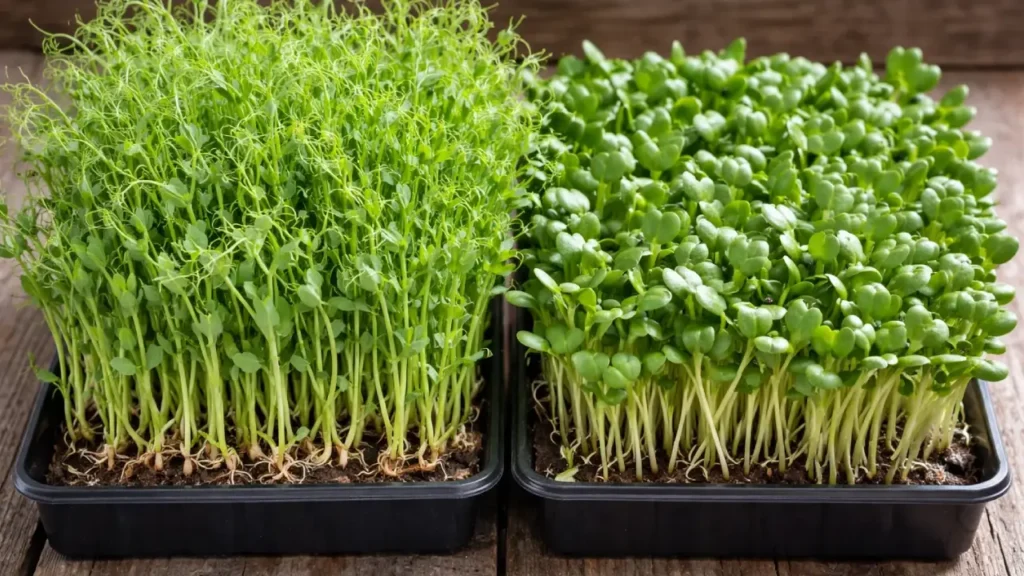
Pea shoots have a delicate, grassy sweetness that complements salads, stir-fries, and sandwiches, while sunflower microgreens provide a nutty, crunchy texture perfect for garnishes or smoothie bowls. Both are slightly larger than other microgreens, giving them a more substantial presence on the plate.
From a nutritional perspective, these microgreens are rich in vitamins A, C, and B-complex, along with minerals like iron and zinc. Their texture, flavor, and visual appeal make them ideal for chefs looking to add both substance and beauty to dishes.
Growing them at home is relatively easy they need consistent moisture, bright indirect light, and minimal maintenance, making them highly accessible to beginners and seasoned gardeners alike.
Specialty Herb Kits for the Modern Kitchen.
Specialty herb kits have transformed the way home chefs approach cooking. No longer limited to store-bought herbs that wilt in days, these kits allow anyone to cultivate fresh, flavorful herbs indoors.
They’re not just gardening tools they’re culinary game-changers, offering convenience, sustainability, and an endless supply of aromatic plants that elevate everyday meals. From classic kitchen staples to exotic herbs, specialty kits cater to every cooking style and kitchen setup.
Basil, Thyme, and Rosemary Kits.
For chefs who crave traditional Mediterranean flavors, kits featuring basil, thyme, and rosemary are essential. Basil is a staple for pesto, salads, and pasta dishes, while thyme and rosemary bring earthy, aromatic depth to roasted meats, soups, and vegetable dishes.
Specialty kits make growing these herbs simple, providing pre-measured soil, seeds, and containers optimized for indoor conditions.
These herbs are also resilient and easy to grow, making them ideal for beginners. Basil thrives in bright, indirect light and needs consistent moisture but responds well to trimming, which encourages fuller growth.
Thyme and rosemary, slightly more drought-tolerant, add texture and flavor to dishes and are perfect for chefs who like to experiment with slow-cooked meals or roasted vegetables.
By growing these classics at home, chefs ensure a fresh supply year-round while avoiding the waste and cost associated with store-bought herbs.
Exotic Herb Kits for International Flavors.
For adventurous chefs, exotic herb kits open the door to international cuisines. Kits may include lemongrass, Thai basil, shiso, coriander, or even micro versions of uncommon herbs like lovage or stevia.
These herbs allow chefs to recreate authentic dishes from Thai, Indian, Japanese, and Middle Eastern cuisines without having to hunt down specialty stores or compromise on freshness.
Growing exotic herbs at home also provides a unique sensory experience. The aromas are often more intense than store-bought versions, making cooking a full-body experience that engages the senses of sight, smell, and taste. Plus, cultivating rare herbs encourages culinary creativity, inspiring home chefs to experiment with new flavor combinations, marinades, and sauces that might otherwise be out of reach.
Kits for Year-Round Indoor Gardening.
One of the biggest advantages of specialty herb kits is their ability to support year-round indoor gardening. Unlike traditional gardens, which depend on seasonal conditions, these kits often include containers optimized for indoor lighting, humidity, and temperature.
Some even integrate hydroponic or self-watering systems, reducing the guesswork and effort required to maintain healthy plants.
This convenience means that chefs can harvest fresh herbs whenever needed, making it easy to enhance weeknight dinners, weekend brunches, or even cocktails with aromatic touches.
Indoor herb kits also save space, making them ideal for apartments, small kitchens, or urban dwellings where outdoor gardening isn’t feasible.
They turn ordinary countertops and windowsills into vibrant, fragrant mini-farms that combine sustainability, practicality, and style.
Overall, specialty herb kits empower home chefs to take full control of their ingredients. They combine convenience, variety, and hands-on satisfaction while enhancing flavor, nutrition, and presentation in cooking.
From everyday classics to exotic surprises, these kits bring the garden to your kitchen and elevate your culinary potential to entirely new levels.
How to Choose the Right Kit for Your Home.
Choosing the perfect microgreen or herb kit might seem overwhelming given the wide range of options available. However, considering a few key factors can ensure that you select a kit that suits your space, lifestyle, and culinary needs.
A thoughtfully chosen kit can simplify growing, maximize yield, and make your home gardening experience both fun and rewarding.
Factors to Consider: Space, Light, and Maintenance.
Before purchasing a kit, assess your available space, lighting, and maintenance preferences. Some kits are designed for windowsills or compact counters, while others may require more room for multiple trays.
Lighting is especially critical for healthy growth; most microgreens and herbs need bright, indirect light, and some may benefit from supplemental LED grow lights if natural sunlight is insufficient.
Maintenance level is another key consideration. Certain microgreens, like radish or mustard, grow quickly and need minimal care, while herbs like rosemary or thyme may require more attentive watering and pruning.
Choosing a kit that matches your available time and gardening experience ensures consistent growth and reduces the risk of plant stress or failure.
Organic vs Conventional Kits.
The choice between organic and conventional kits largely comes down to personal values and intended use. Organic kits use chemical-free soil, fertilizers, and seeds, appealing to those who prioritize health, sustainability, and environmental responsibility.
Conventional kits may offer lower costs or higher yields but can sometimes include synthetic fertilizers or non-organic seeds. For home chefs focused on fresh, nutrient-dense ingredients, organic kits are often the preferred choice, although either option can produce flavorful results when properly cared for.
Price, Value, and Longevity.
Cost is always a consideration, but it’s important to evaluate value over price alone. Some kits are more expensive but include high-quality seeds, soil, and containers designed to last multiple growing cycles. Others may be budget-friendly but require frequent replacement of trays or soil.
Consider how often you plan to grow herbs or microgreens, how much yield you need, and whether you want a kit that is reusable or disposable. Investing in a durable, well-designed kit can save money and frustration over time while ensuring a consistent supply of fresh greens.
By considering these factors space, lighting, maintenance, organic preferences, and long-term value you can select a kit that fits seamlessly into your home and lifestyle. The right choice transforms the process from a simple gardening experiment into a sustainable, enjoyable, and flavorful culinary habit.
Step-by-Step Guide to Growing Microgreens at Home.
Growing microgreens at home may seem intimidating at first, but it’s surprisingly simple when broken down into clear, manageable steps. With the right approach, even a small kitchen counter can transform into a miniature indoor farm, producing fresh, vibrant greens in as little as one to three weeks.
This section offers a complete guide, from seed selection to harvesting, to help home chefs enjoy a continuous supply of nutritious microgreens.
Selecting Seeds and Soil.
The foundation of successful microgreen cultivation begins with choosing the right seeds and soil. Popular microgreens include radish, mustard, sunflower, pea shoots, and beet greens, each with unique flavor profiles, growth rates, and nutrient content.
For beginners, radish and mustard microgreens are ideal because they sprout quickly and require minimal maintenance. If you prefer sweeter flavors or a delicate texture, pea shoots and sunflower microgreens are excellent options.
Equally important is the growing medium. High-quality, organic soil or seed-starting mixes are recommended because they provide essential nutrients and proper drainage.
Avoid heavy garden soil, which may compact and hinder root growth. Some home chefs opt for soilless media like coconut coir or hydroponic mats, which can make cleanup easier and reduce the risk of mold. Whichever medium you choose, ensure it is moist but not waterlogged, as overly wet soil can suffocate seedlings and promote fungal growth.
When purchasing seeds, opt for organic, untreated varieties to ensure maximum nutrition and flavor. Check the expiration date, as older seeds may have reduced germination rates. Pre-packaged microgreen kits often include seeds optimized for indoor growth, which simplifies the selection process for beginners.
Planting Techniques and Tips.
Once seeds and soil are ready, the planting process begins. Start by filling a shallow tray with your growing medium to a depth of about 1–2 inches.
Lightly press the soil to create an even surface, then sprinkle seeds evenly across the top. Some microgreens, like sunflower and pea shoots, benefit from a slightly thicker layer, while smaller seeds such as radish or mustard should be lightly spread to avoid overcrowding.
After planting, gently mist the seeds with water to ensure contact with the soil. Covering the tray with a dome or plastic wrap for the first few days can maintain humidity, promoting rapid germination.
Place the tray in a bright area with indirect sunlight, or use an LED grow light for consistent lighting.
Keep the soil consistently moist, misting once or twice daily if necessary, but avoid overwatering, which can lead to mold.
As seedlings grow, remove the cover once they begin to sprout, allowing air circulation and strengthening stems.
For optimal growth, rotate trays periodically to ensure even light exposure, and thin out any overcrowded areas to prevent competition for nutrients.
These small adjustments can dramatically improve the quality and flavor of your microgreens.
Harvesting and Storing Microgreens.
Microgreens are typically ready for harvest when their first true leaves appear, usually within 7–21 days depending on the variety.
To harvest, use clean scissors or a sharp knife to cut the stems just above the soil line. Avoid pulling plants, as this can disturb remaining seedlings.
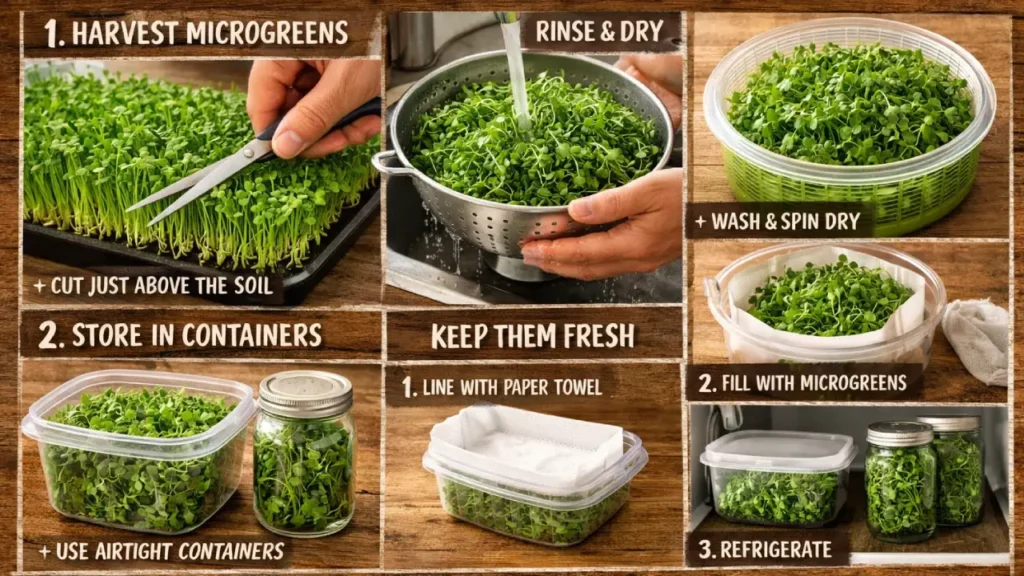
Harvesting in the morning often provides the freshest flavor and highest nutrient content.
After cutting, rinse microgreens gently under cold water and pat dry with a paper towel. They can be used immediately or stored in an airtight container in the refrigerator for up to a week.
For longer-term use, consider freezing or lightly sautéing microgreens, though raw consumption preserves the maximum nutrients.
Continuous harvesting is possible if seeds are replanted every 1–2 weeks, creating a steady supply of fresh, homegrown greens.
By following these steps selecting quality seeds and soil, planting with care, and harvesting at the right time home chefs can enjoy a thriving indoor microgreen garden that enhances flavor, nutrition, and creativity in every meal.
Culinary Uses for Microgreens and Specialty Herbs.
Microgreens and specialty herbs are far more than garnishes they are culinary game-changers. Their concentrated flavors, textures, and vibrant colors allow home chefs to elevate everyday dishes, experiment with new recipes, and impress guests with visually stunning meals.
The following section explores practical ways to incorporate these tiny greens into your kitchen repertoire.
Enhancing Everyday Meals.
Even simple dishes benefit from the addition of fresh microgreens or herbs. A handful of radish microgreens can add a peppery crunch to a sandwich, while basil microgreens elevate a homemade tomato soup with sweet, aromatic notes.
Pea shoots provide delicate sweetness in salads, and sunflower microgreens add a satisfying nutty flavor to grain bowls.
The advantage of growing microgreens at home is immediacy. Instead of waiting for grocery trips, you can harvest greens just before serving, preserving flavor and nutrients.
For breakfast, sprinkle microgreens over scrambled eggs or avocado toast. At lunch, layer them into wraps or sandwiches for added texture. Even dinner dishes, like roasted vegetables or grilled proteins, benefit from a fresh topping of herbs and microgreens, transforming an ordinary meal into something visually and gastronomically exciting.
Creative Garnishes and Plating Ideas.
For home chefs interested in plating artistry, microgreens and specialty herbs are indispensable. Their vibrant colors, delicate shapes, and varying textures make them perfect for garnishing soups, pastas, and main courses.
Imagine a bowl of creamy risotto adorned with tiny sprigs of thyme and bright green pea shoots, or a chocolate dessert plate accented with fresh mint microgreens these small touches create a sense of refinement and elegance.
Beyond visual appeal, garnishing with microgreens enhances mouthfeel and flavor layering. A subtle bitter note from mustard microgreens balances rich, creamy dishes, while coriander microgreens add a citrusy brightness to spicy meals.
Using microgreens creatively not only improves aesthetics but also deepens the complexity of flavors, demonstrating culinary skill even in home kitchens.
Infusing Drinks and Cocktails.
Microgreens and herbs are increasingly popular in beverages, adding freshness, aroma, and unique taste profiles. Basil or mint microgreens can be muddled into cocktails like mojitos or infused into syrups for non-alcoholic beverages. Lemon balm, thyme, or rosemary sprigs can flavor teas, lemonades, or sparkling water.
For mixology enthusiasts, microgreens offer an innovative way to experiment with both cocktails and mocktails. A garnish of arugula or spicy radish microgreens can add a surprising kick to a gin-based drink, while micro-herbs like shiso provide exotic flair.
Beyond flavor, using homegrown microgreens in drinks adds a visual and sensory dimension, transforming ordinary beverages into fresh, sophisticated creations.
Troubleshooting Common Growing Problems.
Even experienced home gardeners encounter challenges when growing microgreens and specialty herbs. While these plants are generally resilient, certain issues can arise due to improper watering, insufficient light, mold, or pests.
Understanding these common problems and how to address them ensures a thriving indoor garden and a consistent supply of fresh, flavorful greens.
Mold and Fungal Issues.
One of the most common problems with microgreens is mold growth, which typically appears as white, fuzzy patches on the soil or leaves.
Mold usually results from excessive moisture, poor air circulation, or overcrowding of seeds. While it may look alarming, mold is preventable with a few simple measures.
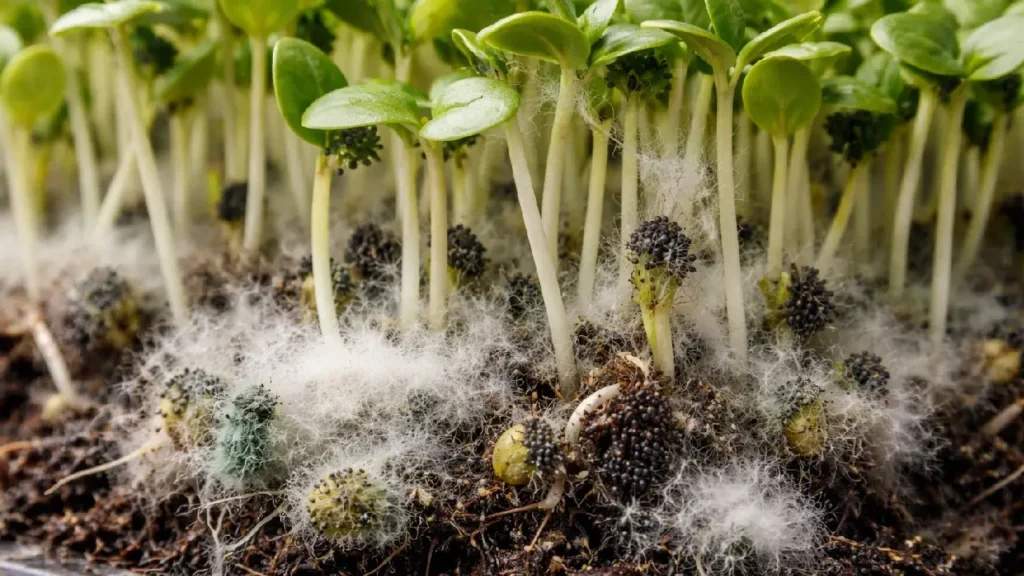
First, avoid overwatering. Keep the soil consistently moist but not waterlogged, and use a spray bottle for gentle misting instead of pouring water directly.
Next, ensure proper air circulation. Placing trays near a small fan or in a well-ventilated area reduces humidity buildup and discourages fungal growth.
Additionally, avoid overcrowding seeds; thinning seedlings after germination allows better airflow and stronger stems. If mold appears, remove affected leaves immediately and reduce watering frequency.
Using sterilized trays and high-quality, well-draining soil also minimizes risk.
Insufficient Light or Water.
Microgreens and herbs need adequate light and water to thrive. Insufficient light leads to leggy, weak seedlings with pale leaves, while too little water causes stunted growth and dry soil.
Conversely, too much water can create mold problems and root rot.
To solve lighting issues, place plants near a sunny window or invest in an LED grow light.
Microgreens typically require 12–16 hours of light per day for optimal growth. Watering should keep soil moist but not soggy check daily, especially in warmer indoor environments.
Using a consistent watering schedule and monitoring seedling appearance allows you to adjust care as needed.
Pest Management for Indoor Herbs.
While indoor gardening reduces the risk of pests compared to outdoor gardens, insects like aphids, fungus gnats, or spider mites can occasionally appear.
These pests are usually manageable with natural methods. For instance, a gentle spray of water can remove aphids from leaves, while sticky traps catch flying gnats. Neem oil or insecticidal soap is safe for edible plants and can prevent infestations without harming microgreens or herbs.
Maintaining cleanliness in your growing area is also critical. Wipe down trays, containers, and surrounding surfaces, and remove decaying plant matter promptly. Healthy, well-watered plants with proper light exposure are naturally more resistant to pests and diseases.
By understanding and proactively managing these common growing problems, home chefs can maintain vibrant, nutritious, and visually stunning microgreens and herbs. With a little attention and care, indoor gardening becomes a satisfying, stress-free addition to any kitchen, ensuring a constant supply of fresh ingredients year-round.
Sustainability and Eco-Friendly Benefits.
Growing microgreens and specialty herbs at home isn’t just about flavor and nutrition it’s also an environmentally conscious choice. Indoor gardening reduces reliance on store-bought produce, lowers food waste, and supports sustainable practices that benefit both the planet and your health.
Reducing Carbon Footprint.
Purchasing fresh herbs and greens often involves significant transportation, packaging, and storage, all of which contribute to a higher carbon footprint.
By growing your own microgreens and herbs, you eliminate the need for refrigerated transport and plastic packaging, reducing greenhouse gas emissions.
A small indoor garden produces minimal waste while delivering fresh, nutrient-dense ingredients right to your kitchen, making it an eco-friendly alternative to conventional grocery shopping.
Minimizing Food Waste.
Homegrown microgreens allow you to harvest only what you need, preventing the spoilage common with store-bought herbs. Because these greens are harvested at peak freshness, they stay crisp and flavorful longer than supermarket versions.
Even if a small batch doesn’t meet your culinary standards, composting leftover plants provides nutrient-rich material for soil, creating a zero-waste cycle. This conscious approach to consumption helps home chefs reduce waste while supporting sustainable living practices.
Supporting Local Seed Suppliers.
Choosing high-quality seeds from local or small-scale suppliers encourages sustainable agriculture. Many specialty microgreen and herb kits source organic or non-GMO seeds from responsible growers, reducing reliance on large-scale industrial agriculture.
Supporting these suppliers helps maintain biodiversity, encourages ethical farming practices, and strengthens local economies. By selecting eco-conscious kits, home chefs contribute to a more sustainable and ethical food system, all while enjoying fresh, flavorful produce.
Sustainability is not just a buzzword it’s a lifestyle choice that aligns with growing your own microgreens and herbs. By reducing environmental impact, minimizing waste, and supporting responsible seed suppliers, home chefs make their kitchens greener, healthier, and more connected to nature.
Conclusion.
Microgreens and specialty herb kits are transforming kitchens around the world. They allow home chefs to grow nutrient-rich, flavorful greens quickly and efficiently, while enhancing creativity, presentation, and sustainability.
From the sharp bite of mustard greens to the sweet tenderness of pea shoots, these tiny plants offer endless culinary possibilities.
Specialty herb kits make it even easier to experiment with international flavors, elevate everyday meals, and enjoy fresh ingredients year-round.
With proper care, attention to light and moisture, and an understanding of potential growing challenges, anyone can cultivate a thriving indoor garden. Beyond flavor and nutrition, growing microgreens fosters mindfulness, satisfaction, and a closer connection to food, making it a rewarding experience for both beginners and seasoned chefs.
Incorporating microgreens and herbs into your cooking routine isn’t just about convenience it’s about creating a kitchen ecosystem that promotes creativity, health, and environmental responsibility.
With minimal space, simple tools, and a little patience, anyone can enjoy the full benefits of homegrown, gourmet-quality greens.
FAQs.
1. How long does it take for microgreens to be ready for harvest?
Most microgreens are ready in 7–21 days, depending on the variety. Fast-growing types like radish and mustard can be harvested in about a week, while slower-growing greens may take up to three weeks.
2. Can I grow microgreens without sunlight?
Yes, using LED grow lights is an excellent alternative if natural sunlight is limited. Ensure 12–16 hours of light per day for optimal growth.
3. Are microgreens more nutritious than mature vegetables?
Yes, microgreens often contain higher concentrations of vitamins, minerals, and antioxidants than their mature counterparts, making them highly nutrient-dense.
4. How do I prevent mold when growing microgreens indoors?
Prevent mold by avoiding overwatering, ensuring good air circulation, spacing seeds properly, and using clean, well-draining soil or growing mats.
5. Can I regrow herbs from store-bought plants?
Some herbs, like basil, parsley, and mint, can regrow if cut above the root system. However, starting from seeds or a kit ensures stronger growth, higher yields, and better nutrient content.