Understanding the Concept of Digital Afterlife
What Is Digital Data in Today’s World?
Take a moment to consider your daily routine. You wake up, check your phone, scroll through social media, maybe send a few emails, stream some music, and make an online purchase or two. Each of these actions leaves behind tiny digital footprints pieces of data that collectively form a surprisingly detailed map of your life. This includes everything from your photos and messages to your browsing habits, financial transactions, and even your fitness tracker stats. In essence, your digital data is a parallel version of you, quietly growing in the background.
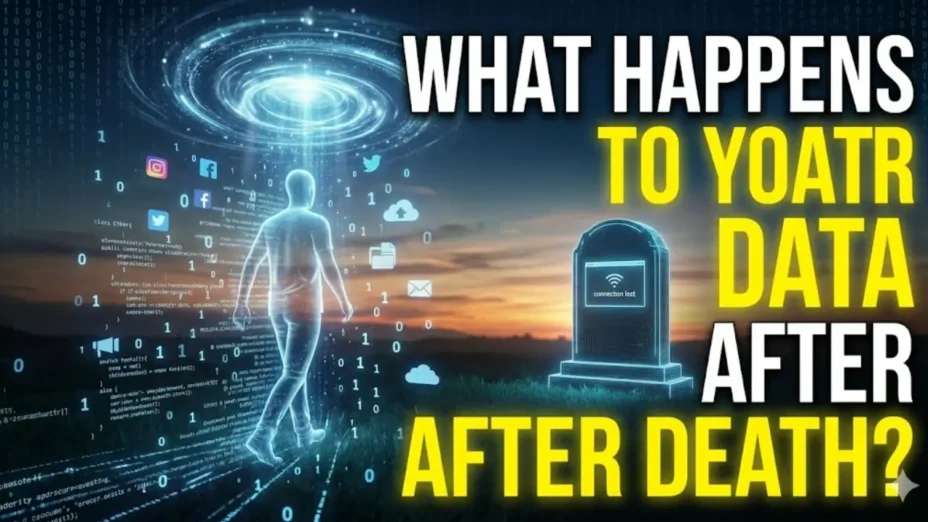
Now imagine this: what happens to all that data when you’re no longer around? It doesn’t simply vanish into thin air. Unlike physical belongings that can be sorted, donated, or discarded, digital assets persist indefinitely unless actively managed. Servers continue to store your information, algorithms continue to recognize your preferences, and in some cases, your accounts remain active as if nothing has changed.
What makes this even more complex is the sheer volume and fragmentation of data. Most people don’t have just one or two accounts they have dozens, sometimes hundreds, spread across different platforms and services. Each one operates under its own rules and policies, making the idea of a unified “digital afterlife” more of a puzzle than a straightforward process.
This growing reality has given rise to the concept of a digital afterlife, which refers to how your online presence and data are handled after your death. It’s a relatively new idea, but it’s becoming increasingly important in a world where our lives are so deeply intertwined with technology. Ignoring it is like leaving behind a locked vault with no key your loved ones may never fully access or understand what’s inside.
Why Digital Afterlife Matters More Than Ever
Not too long ago, when someone passed away, their legacy was mostly physical letters, photo albums, maybe a few official documents. Today, that legacy has shifted dramatically into the digital realm. According to recent estimates, the average internet user has over 90 online accounts, and that number keeps growing as new platforms emerge. That’s a massive amount of personal information floating in cyberspace, often without a clear plan for what happens next.
So why does this matter? For starters, emotional closure plays a huge role. Imagine a family wanting access to photos stored in a loved one’s cloud account or trying to retrieve meaningful messages. Without proper access, those memories can become permanently locked away. On the flip side, some families may prefer to preserve social media profiles as digital memorials, creating a space where people can continue to share memories and pay tribute.
There’s also a practical side to consider. Unmanaged digital accounts can lead to financial complications, such as ongoing subscription charges or unclaimed assets like cryptocurrency and online investments. Even more concerning is the risk of identity theft. Dormant accounts can become easy targets for hackers, especially if no one is actively monitoring them.
Beyond the personal and financial implications, there’s a broader societal shift happening. Tech companies are increasingly recognizing the importance of digital legacy planning, introducing tools and policies to help users manage their data after death. Still, many people remain unaware of these options or simply postpone thinking about them.
The truth is, your digital afterlife is just as real as your physical legacy it just requires a different kind of preparation. And in a world where your online presence can outlive you by decades, taking control of that narrative isn’t just smart it’s essential.
Types of Data You Leave Behind
Social Media Accounts and Profiles
Let’s be real social media is where a huge chunk of your life lives today. From Instagram photos and Facebook posts to TikTok videos and LinkedIn updates, these platforms collectively form a timeline of your thoughts, milestones, relationships, and even your personality. After death, these accounts don’t just disappear. In fact, they often become some of the most visible and emotionally significant parts of your digital legacy.
Think about how often people revisit old conversations or scroll through memories of someone they’ve lost. Social media profiles can turn into digital memorials, places where friends and family gather to share stories, post tributes, and keep the person’s memory alive. Platforms like Facebook have even formalized this with “memorialized accounts,” which lock the profile while allowing loved ones to interact with it in a limited way. It’s almost like a virtual gravestone—but far more interactive and personal.
But here’s where things get complicated. Not all platforms handle death the same way. Some may deactivate accounts after a period of inactivity, while others require proof of death to make any changes. And without prior planning, loved ones might struggle to gain access. Imagine knowing that years of photos and messages exist but being completely locked out it’s frustrating and, frankly, heartbreaking.
There’s also the question of privacy versus remembrance. Would you want your private messages read by someone else? Should your old posts remain public forever? These are deeply personal decisions, yet most people never set clear preferences. As a result, families are often left guessing, which can lead to conflict or unintended exposure of sensitive information.
In many ways, your social media accounts are like a digital autobiography unfinished and open-ended. Whether they become a source of comfort or confusion largely depends on how well they’re managed before it’s too late.
Financial and Subscription Data
Now let’s shift gears to something less sentimental but equally important your financial data. This includes online banking accounts, PayPal balances, cryptocurrency wallets, investment platforms, and even those small subscription services you barely think about. You know, the ones charging your card every month for streaming, cloud storage, or that random app you forgot you signed up for.
Here’s the catch: these accounts don’t automatically shut down when you pass away. Without proper documentation or access, they can remain active indefinitely. That means money could sit untouched in digital wallets, subscriptions could continue draining funds, and valuable assets might never be claimed. In the case of cryptocurrency, this becomes even more serious—without private keys or recovery phrases, those assets are essentially lost forever.
A study by the Cremation Institute estimated that millions of dollars in Bitcoin alone are inaccessible due to lost credentials. Now imagine that happening on a personal level. It’s not just about money it’s about the effort and intention behind those investments, all going to waste because no one knew how to access them.
There’s also a legal layer to consider. Financial institutions typically have strict protocols for handling deceased clients’ accounts, often requiring death certificates and legal authorization. But digital platforms may not follow the same rules, creating a gray area where access becomes difficult or delayed.
And let’s not forget about auto-renewing subscriptions. These can quietly accumulate charges, sometimes for years, if no one steps in to cancel them. It’s like leaving a faucet dripping small at first, but costly over time.
The bottom line? Your financial digital footprint is just as critical as your physical assets. Without a clear plan, it can create unnecessary stress, financial loss, and confusion for the people you leave behind.
Who Owns Your Data After You Die?
Legal Ownership vs Platform Control
Here’s a question that sounds simple but gets messy fast: who actually owns your data after you die you or the platform storing it? At first glance, you might assume it’s yours. After all, it’s your photos, your messages, your documents. But in reality, the answer is far from straightforward.
Most digital platforms operate under Terms of Service (ToS) agreements, which you probably clicked “agree” to without reading (don’t worry, almost everyone does). These agreements often state that while you retain certain rights to your content, the platform ultimately controls how that data is stored, accessed, and sometimes even deleted. In other words, your “ownership” is limited.
After death, this distinction becomes crucial. Even if your family has a legal right to your estate, that doesn’t automatically grant them access to your online accounts. Platforms like Apple, Google, and Facebook have their own policies, and they don’t always align with traditional inheritance laws. This creates a situation where legal ownership and practical access don’t match up.
For example, a will might state that your digital assets should go to a specific person, but if that person doesn’t have login credentials or if the platform refuses access, those wishes can be difficult to enforce. It’s like leaving someone a locked safe without the combination and the manufacturer refusing to open it.
This disconnect has led to increasing legal debates and evolving regulations. Some regions have introduced laws that allow designated individuals to access digital accounts, but enforcement varies widely. And since the internet doesn’t respect borders, things can get even more complicated when data is stored in different countries.
So while you may feel like you “own” your data, the reality is that control is often shared or even dominated by the platforms you use. Understanding this distinction is key to planning your digital legacy effectively.
Role of Terms of Service Agreements
Let’s talk about those long, scroll-heavy documents we all ignore: Terms of Service agreements. They might seem like boring legal jargon, but when it comes to your digital afterlife, they’re incredibly important. These agreements dictate exactly what happens to your account when you die and spoiler alert, it’s not always what you’d expect.
Some platforms explicitly state that accounts are non-transferable, meaning they cannot be passed on to another person under any circumstances. Others allow limited access if certain conditions are met, such as providing proof of death or legal authority. A few platforms go a step further by offering built-in tools for legacy planning, but these features are often optional and must be set up in advance.
Here’s the tricky part: these policies can change over time. What was true when you created your account might not be the case years later. And since most users never revisit these agreements, they remain unaware of how their data will be handled in the long run.
There’s also the issue of conflicting instructions. Imagine your will says one thing, but a platform’s ToS says another. In many cases, the platform’s rules take precedence because you agreed to them when you signed up. That can override your personal wishes, which is a pretty unsettling thought.
This is why digital legacy planning isn’t just about listing your accounts it’s about understanding the rules governing each one. It might sound tedious, but it’s the only way to ensure your data is handled the way you intend.
In a world where your life is increasingly stored online, those “I agree” checkboxes carry more weight than ever. Ignoring them doesn’t make them less powerful it just makes their impact more unpredictable.
How Major Platforms Handle Deceased Users
Facebook and Instagram Memorialization
When someone passes away, their social media presence often becomes a focal point for remembrance and platforms like Facebook and Instagram have recognized this shift in how we grieve. Instead of simply deleting accounts, these platforms offer a feature called memorialization, which essentially transforms a user’s profile into a digital tribute space.
So what does that actually look like? Once an account is memorialized, the word “Remembering” appears next to the person’s name, and the account is locked in a way that prevents anyone from logging in or altering past content. However, friends and family can still post messages, share memories, and interact with existing content depending on privacy settings. It becomes a living archive of a person’s life frozen in time but still accessible.
Facebook goes a step further by allowing users to designate a legacy contact while they’re still alive. This person can manage certain aspects of the memorialized account, such as accepting friend requests, updating profile pictures, or pinning tribute posts. But here’s the catch—they don’t get full access. They can’t read private messages or make major changes, which helps maintain a balance between privacy and remembrance.
Instagram, owned by Meta as well, follows a similar approach but with fewer customization options. Accounts can be memorialized or removed upon request, but there’s no equivalent to a legacy contact with active management privileges. This can leave families with limited control over how the account is handled.
What’s interesting is how these digital memorials are reshaping the way we process loss. Instead of a static obituary or a physical grave, people now have an interactive space where memories continue to evolve. But not everyone is comfortable with that. Some argue it blurs the line between life and death, while others find it deeply comforting.
At the end of the day, these features are tools and like any tool, their impact depends on how they’re used. Without prior planning, families may struggle to navigate these options, which can add stress during an already difficult time.
Google Inactive Account Manager
Google takes a slightly different approach less about memorialization and more about proactive planning. Their feature, called the Inactive Account Manager, allows users to decide in advance what should happen to their data if their account becomes inactive for a certain period.
Here’s how it works: you set a timeframe (for example, 3, 6, 12, or 18 months of inactivity), after which Google assumes you’re no longer using the account. At that point, it can automatically send notifications to trusted contacts you’ve selected and give them access to specific parts of your data. You can choose exactly what to share emails, photos, documents, YouTube videos and what to keep private.
This level of customization is a game-changer. Instead of leaving your loved ones guessing or dealing with complicated legal processes, you’re essentially handing them a roadmap. It’s like writing a digital will, but built directly into the platform.
You can also choose to have your account permanently deleted after the inactivity period. For some people, that’s preferable they’d rather have their data erased than linger online indefinitely. Others see value in preserving certain aspects, like family photos or important documents.
What makes Google’s approach particularly effective is its balance between automation and control. You’re not relying on someone else to figure things out after the fact you’re setting the terms yourself. And because Google services are so vivid – Gmail, Drive, Photos, Calendar the impact of this planning can be significant.
Still, there’s a catch: most people never set it up. It’s one of those features you don’t think about until it’s too late. And without it, accessing a deceased person’s Google account can be a long and hectic process, often requiring legal documentation and multiple verification steps.
In a way, Google is offering a glimpse into the future of digital legacy management one where planning ahead isn’t just recommended, but seamlessly integrated into the tools we already use.
The Role of Digital Executors
What Is a Digital Executor?
If you’ve ever heard of an executor in a will the person responsible for managing someone’s estate after they pass away then you already have a basic idea of what a digital executor does. The difference? Instead of handling physical assets like property or bank accounts, a digital executor manages your online presence and digital assets.
This role is becoming increasingly important as more of our lives move online. A digital executor might be responsible for closing social media accounts, retrieving important files, managing online subscriptions, or even handling digital currencies. In some cases, they may also decide whether certain accounts should be preserved as memorials or deleted entirely.
But here’s the thing: unlike traditional executors, digital executors aren’t always legally recognized in every jurisdiction. That means their authority can be limited unless it’s clearly outlined in legal documents and supported by platform policies. Simply telling someone, “Hey, you’re in charge of my online stuff,” isn’t enough.
The ideal digital executor is someone you trust someone who’s not only responsible but also reasonably tech-savvy. They don’t need to be an IT expert, but they should be comfortable navigating different platforms and understanding basic digital security.
There’s also an emotional dimension to consider. Managing a loved one’s digital presence can be surprisingly ծանր. Imagine going through years of messages, photos, and personal content it’s not just a technical task, it’s an emotional journey. That’s why choosing the right person matters just as much as giving them the right tools.
In many ways, a digital executor acts as a bridge between your online life and your real-world legacy. Without one, your digital footprint can become fragmented, inaccessible, or even vulnerable to misuse.
How to Appoint One Effectively
Appointing a digital executor isn’t just about naming someone it’s about setting them up for success. Think of it like handing over the keys to a complex system. If you don’t provide instructions, even the most capable person might struggle to figure things out.
The first step is to create a clear inventory of your digital assets. This includes all your accounts social media, email, financial platforms, cloud storage, subscriptions, and anything else tied to your online identity. You don’t necessarily need to list every password (in fact, that can be risky), but you should indicate where that information can be securely accessed, such as a password manager.
Next, document your preferences. Do you want your social media accounts memorialized or deleted? Should your emails be shared with anyone? What about your digital photos or files? These decisions might seem minor now, but they can make a huge difference later.
It’s also important to include your digital executor in your legal will or estate plan, especially in regions where digital asset laws are recognized. This gives their role more authority and helps avoid conflicts or delays.
Communication is key. Don’t just assign the role talk to the person. Make sure they understand what’s expected and are willing to take on the responsibility. It’s not a small task, and not everyone will feel comfortable doing it.
Finally, keep everything updated. Your digital life isn’t static new accounts get created, old ones get abandoned, and preferences can change. Revisiting your plan once a year can go a long way in keeping it relevant.
When done right, appointing a digital executor turns a potentially chaotic situation into a manageable one. It’s a simple step that can save your loved ones a lot of confusion and give you peace of mind knowing your digital legacy is in good hands.
Risks of Unmanaged Digital Data
Identity Theft and Security Concerns
Here’s something most people don’t immediately think about: your digital presence doesn’t just sit quietly after you’re gone it can actually become a target. Unattended accounts are like unlocked doors in an empty house. Hackers actively look for dormant profiles because they’re less likely to be monitored, making them ideal for identity theft and cyber fraud.
Once someone gains access, the damage can spread quickly. Email accounts, for instance, are often the gateway to everything else. With access to your email, a hacker can reset passwords for banking apps, social media platforms, and shopping accounts. Suddenly, your identity is being used to make purchases, send scam messages, or even impersonate you to deceive others. It’s unsettling, but it happens more often than you’d expect.
According to cybersecurity reports, inactive accounts are significantly more vulnerable to breaches, especially if they’re protected by outdated passwords or lack two-factor authentication. Now imagine those accounts belonging to someone who can no longer monitor suspicious activity. The risk multiplies.
There’s also the issue of data leaks. Many platforms store sensitive personal information addresses, phone numbers, financial details that can be exploited if accessed. Even seemingly harmless accounts can be pieced together to build a full identity profile, which is incredibly valuable on the dark web.
And then there’s reputation. A compromised account could post inappropriate or harmful content under your name, leaving your family to deal with the aftermath. It’s not just a technical issue it becomes personal, emotional, and sometimes even legal.
This is why digital legacy planning isn’t just about preserving memories it’s also about protecting your identity after death. Taking simple steps like enabling strong security measures and clearly outlining account management can significantly reduce these risks.
Emotional Impact on Loved Ones
Now let’s shift from the technical to the deeply human side of things. Losing someone is already overwhelming, but dealing with their digital presence can add an unexpected layer of emotional complexity. Imagine logging into a loved one’s account and seeing years of messages, photos, and memories it can feel like opening a time capsule that you’re not quite ready to face.
For some, this digital trail becomes a source of comfort. Reading old conversations or revisiting shared moments can help keep the connection alive. It’s like hearing their voice again, even if just through text. But for others, it can be emotionally draining, even distressing. Seeing automated birthday reminders or “memories” pop up unexpectedly can reopen wounds.
There’s also the tension of uncertainty. Without clear instructions, families are left guessing: Should we delete this account? Preserve it? Who has the right to decide? These questions can lead to disagreements, especially when different family members have different emotional attachments or beliefs about privacy.
In some cases, loved ones may struggle to access important data altogether photos locked in cloud storage, messages trapped behind passwords. That sense of being shut out can add frustration to grief, making an already difficult time even harder.
Interestingly, psychologists have begun to study this phenomenon, often referring to it as “digital grief.” It’s a relatively new concept, but it highlights how technology is reshaping the way we process loss. Unlike physical belongings, digital content doesn’t fade or deteriorate it stays vivid, immediate, and sometimes overwhelming.
Planning ahead can make a huge difference here. By setting clear preferences, you’re not just organizing your data you’re easing the emotional burden on the people you care about. You’re giving them clarity during a time when everything else may feel uncertain.
Steps to Prepare Your Digital Legacy
Creating a Digital Asset Inventory
If all of this seems a bit much, don’t worry you’re not alone. The good news is that preparing your digital legacy doesn’t have to be complicated. It starts with something simple but incredibly powerful: creating a digital asset inventory.
Think of this as a master list of your online life. Every account, every platform, every service you use it all goes into one place. This includes obvious things like social media and email, but also less obvious ones like online shopping accounts, streaming services, cloud storage, domain names, and even gaming profiles.
Why is this so important? Because without a clear map, your loved ones are essentially navigating blind. They might not even know certain accounts exist, let alone how to access them. A well-organized inventory acts like a guidebook, helping your digital executor or family understand what’s out there and what needs to be managed.
Now, you might be wondering should I include passwords? The answer is yes, but with caution. Instead of writing them down in plain text, it’s much safer to use a password manager. These tools securely store your login credentials and can grant access to a trusted person if needed.
It’s also helpful to categorize your assets. For example:
- Accounts to be deleted
- Accounts to be memorialized
- Accounts containing valuable or sensitive data
This adds another layer of clarity, making it easier for someone else to follow your wishes.
And remember, this isn’t a one-time task. Your digital life evolves constantly, so your inventory should too. Setting a reminder to update it once or twice a year can keep everything current.
Creating a digital asset inventory might seem like a small step, but it’s the foundation of everything else. It turns a chaotic digital footprint into something structured, manageable, and most importantly under your control.
Using Password Managers and Secure Storage
Let’s talk about one of the biggest hurdles in digital legacy planning: access. You can list all your accounts and outline your wishes, but if no one can log in, it all falls apart. That’s where password managers become useful.
A password manager functions as a secure vault for all your login details. Instead of trying to remember dozens of passwords or worse, reusing the same one you store everything in one encrypted place. Tools like LastPass, 1Password, and Bitwarden are popular choices, and many of them offer features specifically designed for emergency access.
Here’s how it typically works: you designate a trusted contact who can request access to your account. If you don’t deny the request within a certain timeframe (say, a few days), access is granted automatically. It’s a smart balance between security and practicality.
This approach eliminates the need to share passwords directly, which can be risky. It also ensures that your digital executor has what they need without jumping through endless hoops.
In addition to password managers, consider using secure document storage for important files—things like legal documents, account instructions, or personal messages. Cloud services with strong encryption can work well, especially if access is clearly defined.
But here’s the key: don’t keep this system a secret. Make sure your trusted person knows it exists and understands how to use it. Otherwise, it’s like hiding a key without telling anyone where to look.
Security is always a balancing act. You want to protect your data while you’re alive, but also make it accessible when it matters most. With the right tools and a bit of planning, you can achieve both.
At the end of the day, this isn’t just about technology it’s about making things easier for the people who will one day have to step in. And that’s a pretty meaningful thing to do.
Legal Frameworks Around Digital Assets
Laws Governing Digital Inheritance
Here’s where things start to feel a bit different When it comes to passing down physical assets like a house, a car, or money in a bank account the legal system is fairly well-established. But digital assets? That’s still a developing area, and the rules can vary significantly depending on where you live.
In some countries and U.S. states, laws like the Revised Uniform Fiduciary Access to Digital Assets Act (RUFADAA) have been introduced to address this exact issue. This law gives legally appointed fiduciaries like executors or trustees the authority to access certain digital assets, but only under specific conditions. For example, if you’ve explicitly granted permission in a will or through an online tool, your executor may be able to access your accounts. Without that permission, even close family members can be denied access.
This creates an interesting dynamic. Your digital assets are technically part of your estate, but they’re also governed by privacy laws and platform policies. So even if a court says your executor has the right to access your data, a tech company might still require additional verification—or deny access altogether if it conflicts with their terms of service.
Another challenge is that not all digital assets are treated equally. Financial accounts may fall under stricter legal frameworks, while social media or email accounts often exist in a gray area. This inconsistency can lead to confusion and delays, especially during an already stressful time.
Legal professionals frequently highlight the significance of well-documented records.. As estate planning attorney Sharon Klein once noted, “Digital assets are often overlooked, yet they can be among the most difficult to access without proper authorization.” That insight reflects a growing awareness that digital planning isn’t optional anymore it’s essential.
The takeaway? If you want your wishes to be respected, you need to align your legal documents with the tools and policies of the platforms you use. Otherwise, your digital legacy could end up tangled in red tape.
Challenges in Cross-Border Data Ownership
Now imagine this scenario: you live in one country, use a platform based in another, and your data is stored on servers located somewhere else entirely. Welcome to the world of cross-border data ownership, where things can get complicated fast.
The internet doesn’t follow geographical boundaries, but laws do. This mismatch creates a situation where multiple legal systems may apply to your digital assets. For example, a European user’s data might be protected under the General Data Protection Regulation (GDPR), which places a strong emphasis on privacy even after death in some interpretations. Meanwhile, a U.S.-based platform might operate under a completely different set of rules.
This can lead to conflicts. One country’s laws might grant access to a deceased person’s data, while another’s might restrict it. Add in language barriers, jurisdictional issues, and varying legal standards, and you’ve got a recipe for confusion.
For families, this often means delays and uncertainty. They may need to navigate foreign legal systems, provide translated documents, or comply with unfamiliar procedures just to access something as simple as a photo library or email account.
There’s also the question of data localization where your data is physically stored. Some countries require data to be kept within their borders, while others allow it to be distributed globally. This affects not only access but also which laws apply.
Experts in digital law often describe this as one of the biggest challenges in modern estate planning. As technology continues to outpace legislation, gaps and inconsistencies are inevitable.
So what can you do? While you can’t control where your data is stored, you can minimize complications by using platform-specific tools, documenting your wishes clearly, and choosing a digital executor who’s capable of navigating these complexities.
In a connected world, your digital life doesn’t belong to just one place and neither does your digital afterlife.
Future of Digital Afterlife Management
AI and Posthumous Digital Presence
Now here’s where things get a little futuristic and maybe a bit unsettling. With the rise of artificial intelligence, the concept of a digital afterlife is evolving beyond static profiles and archived data. We’re entering an era where your digital presence could continue to interact with the world even after you’re gone.
AI-powered tools can already analyze your messages, emails, social media posts, and voice recordings to create a kind of digital replica. These systems can generate responses in your tone, mimic your writing style, and even simulate conversations. It’s like creating a virtual version of yourself that others can interact with.
Some companies are exploring this space, offering services that allow people to create “digital avatars” or chatbots based on their personality. The idea is to preserve not just your data, but your essence your way of speaking, your humor, your perspective.
For some, this sounds comforting. Imagine being able to “talk” to a loved one again, even if it’s through an AI interface. But for others, it raises serious ethical questions. Is it truly a continuation of the person, or just a sophisticated imitation? And who controls that digital identity?
There’s also the risk of misuse. Without proper safeguards, someone could potentially create a digital version of you without your consent, using publicly available data. That opens the door to all kinds of ethical and legal dilemmas.
Tech leaders have mixed opinions on this trend. Some see it as a natural extension of digital memory, while others warn against blurring the line between life and simulation. As one AI ethicist put it, “Just because we can recreate a voice doesn’t mean we should recreate a person.”
Still, the technology is advancing quickly, and it’s likely to become more mainstream in the coming years. Whether we embrace it or resist it, AI is set to play a major role in shaping the future of how we’re remembered online.
Emerging Trends in Digital Legacy Planning
If there’s one thing clear from all of this, it’s that digital legacy planning is no longer a niche concern it’s becoming a standard part of modern life. And as awareness grows, so do the tools and services designed to support it.
One emerging trend is the integration of digital legacy features directly into platforms. We’ve already seen this with Google’s Inactive Account Manager and Facebook’s legacy contact system, but more companies are starting to follow suit. The goal is to make planning as seamless as possible, incorporating into the user experience rather than treated as an afterthought.
Another trend is the rise of specialized digital estate planning services. These platforms help users organize their digital assets, store important information securely, and create detailed instructions for what should happen after death. Some even offer legal integration, ensuring that your digital wishes align with your estate plan.
There’s also a growing emphasis on education and awareness. Financial advisors, lawyers, and tech experts are increasingly encouraging people to think about their digital legacy early not just later in life. It’s becoming part of the broader conversation around financial planning and personal responsibility.
Interestingly, younger generations are leading the charge here. Digital natives people who’ve grown up with technology—are more likely to recognize the importance of managing their online presence. They’re also more open to using tools and services that simplify the process.
Looking ahead, we can expect even more innovation. From blockchain-based asset tracking to AI-driven legacy assistants, the possibilities are expanding rapidly. But at the core of it all is a simple idea: your digital life matters, and it deserves the same level of care and planning as anything else you leave behind.
Ethical Questions Around Data After Death
This entire topic isn’t just technical or legal it’s deeply philosophical. What does it mean to “exist” online after death? Who has the right to access, control, or even erase your digital presence? These aren’t easy questions, and there are no universal answers.
One major ethical concern is consent. Did the person explicitly state what they wanted, or are others making decisions on their behalf? Without clear instructions, even well-meaning actions can feel like a violation of privacy.
Then there’s the issue of digital permanence. In the physical world, things fade photos age, paper deteriorates, memories soften. But digital data can last indefinitely. Is that a good thing? Or does it prevent closure by keeping the past too present?
Another layer involves commercial interests. Tech companies store and sometimes monetize user data. After death, should that data still be used for algorithms, advertising, or research? Some argue that it’s a continuation of the user agreement, while others see it as exploitation.
There’s also the emotional aspect. Different cultures and individuals have different beliefs about death and remembrance. What feels respectful to one person might feel intrusive to another. That makes it difficult to create one-size-fits-all solutions.
Ultimately, these ethical questions don’t have clear-cut answers but they do highlight the importance of intentional decision-making. The more clarity you provide about your wishes, the less others have to guess.
Your digital afterlife is, in many ways, an extension of your identity. And just like your life, it deserves thoughtful consideration.
Conclusion
Your data doesn’t disappear when you do it lingers, scattered across platforms, servers, and systems that continue running long after you’re gone. From social media profiles and financial accounts to emails and cloud storage, your digital footprint becomes a silent legacy, one that can either bring comfort or confusion depending on how it’s handled.
Taking control of that legacy isn’t about being overly cautious it’s about being prepared. Whether it’s setting up platform tools, appointing a digital executor, or simply organizing your accounts, small steps can make a significant difference. You’re not just managing data you’re shaping how you’ll be remembered and how easy or difficult things will be for the people you leave behind.
In a world where so much of life happens online, your digital afterlife is no longer optional to consider. It’s part of the bigger picture.
FAQs
1. Can my family access my online accounts after I die?
It depends on the platform and whether you’ve provided access or permission in advance. Without proper planning, it can be difficult and sometimes impossible.
2. What happens to my social media accounts when I pass away?
Most platforms offer options like memorialization or deletion, but action usually needs to be requested by someone with proper documentation.
3. Is digital data considered part of my estate?
Yes, but access is often governed by platform policies and privacy laws, which can complicate things.
4. How can I protect my digital assets after death?
Use tools like password managers, create a digital asset inventory, and appoint a trusted digital executor.
5. Will my data stay online forever?
Not necessarily. Some platforms delete inactive accounts, while others keep data indefinitely unless action is taken.