
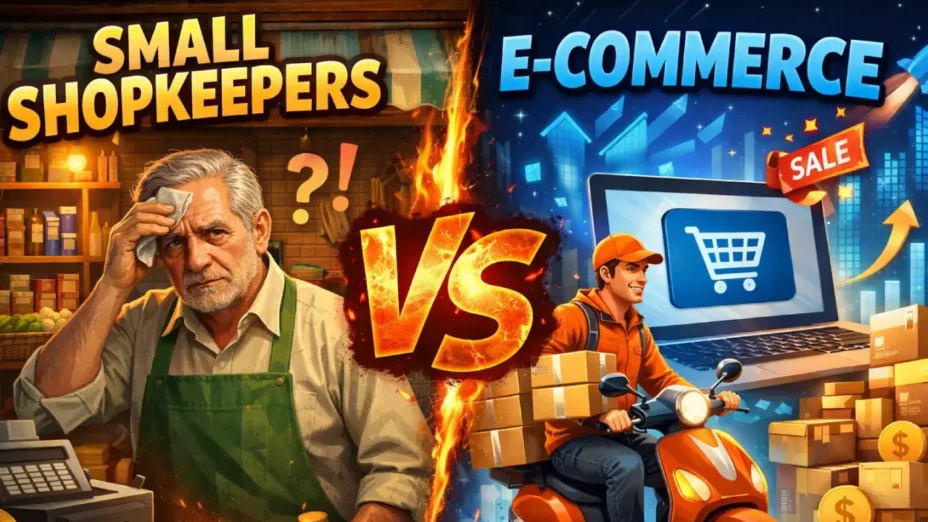
Understanding the Rise of E-commerce
The retail world didn’t just evolve it flipped on its head. Think about it: a decade ago, shopping meant stepping out, bargaining a little, maybe chatting with a familiar shopkeeper. Today? A few taps on your phone, and a package shows up at your door like magic. That’s the kind of shift e-commerce has brought into everyday life. It’s not just about convenience; it’s about redefining expectations. Consumers now expect speed, variety, and competitive pricing all at once, and online platforms have been quick to deliver exactly that.
What’s fascinating is how deeply embedded e-commerce has become in daily routines. From groceries to gadgets, people are increasingly relying on platforms like Amazon, Flipkart, and Shopify-powered stores. According to recent industry estimates, global e-commerce sales are projected to surpass $7 trillion by 2025, a number that tells a bigger story than just growth it signals a permanent behavioural shift. People aren’t just experimenting with online shopping anymore; they’re committed to it.
But here’s where things get interesting. This rise hasn’t happened in isolation. It has directly impacted small shopkeepers, the backbone of local economies. While e-commerce thrives on scale and automation, small retailers rely on relationships and community trust. So, the real question isn’t just who wins it’s how both can exist in a rapidly changing ecosystem.
Let’s dig deeper into what’s driving this transformation and how it’s shaping the future of retail for everyone involved.
How Online Shopping Changed Consumer Behavior
If you’ve ever compared prices across five websites before buying a single product, you’ve already experienced the behavioral shift firsthand. Online shopping didn’t just offer convenience it rewired how people make decisions. Consumers today are more informed, more demanding, and far less loyal than before. Why stick to one shop when hundreds are available at your fingertips?
One of the biggest changes is the expectation of instant gratification. Same-day or next-day delivery has become the norm in many urban areas, and anything slower feels outdated. This has conditioned buyers to prioritize speed over everything else. Add to that the influence of customer reviews, influencer marketing, and algorithm-driven recommendations, and you get a consumer who rarely makes impulsive purchases without some level of digital validation.
There’s also the psychological aspect. Online platforms use smart design and data analytics to keep users engaged think flash sales, countdown timers, and personalized deals. These tactics create a sense of urgency that traditional shops simply can’t replicate in the same way. It’s like walking into a store where every shelf rearranges itself based on your preferences pretty hard to compete with that.
However, this shift comes with trade-offs. While convenience is unmatched, the emotional connection of shopping the human interaction is often missing. That’s where small shopkeepers still hold an edge, and it’s a powerful one if used wisely.
The Role of Technology in E-commerce Growth
Behind every seamless online shopping experience lies a complex web of technology working quietly in the background. From artificial intelligence to cloud computing, these innovations have fueled the rapid expansion of e-commerce. It’s not just about having a website anymore; it’s about creating an ecosystem that anticipates customer needs before they even realize them.
Take AI-driven recommendations, for example. Ever noticed how platforms seem to know exactly what you want? That’s machine learning analyzing your browsing history, purchase patterns, and even the time you spend looking at a product. This level of personalization gives e-commerce a significant advantage over traditional retail, where such insights are harder to capture and act upon.
Then there’s logistics. Advanced supply chain systems and warehouse automation have drastically reduced delivery times and costs. Companies like Amazon have set the bar high with their fulfillment networks, making it incredibly challenging for smaller players to compete on speed alone. Add secure payment gateways, mobile apps, and global reach into the mix, and you have a system that’s both scalable and efficient.
But here’s the twist: the same technology that powers e-commerce can also empower small shopkeepers. Digital payment systems, inventory management apps, and even simple social media tools can level the playing field if used strategically. The gap isn’t just about resources; it’s about adaptation.
The Current State of Small Shopkeepers
Walk down any local street or marketplace, and you’ll still find small shops buzzing with activity. Despite the rise of e-commerce, these businesses haven’t disappeared and that says something important. They’ve survived economic shifts, changing consumer habits, and now digital disruption. But survival doesn’t necessarily mean stability. Many small shopkeepers are walking a tightrope, balancing tradition with the urgent need to modernize.
The reality is mixed. On one hand, small retailers continue to enjoy strong relationships with their customers. On the other, they’re facing declining foot traffic and shrinking margins. According to several retail studies, over 60% of small retailers report a noticeable drop in in-store visits over the past few years, largely due to online competition. That’s not just a statistic it’s a daily struggle for millions of shop owners.
What makes this situation more complex is the diversity within the sector itself. Not all small shopkeepers are affected equally. Those dealing in niche products or essential goods often fare better than those selling items easily available online. Location, customer base, and adaptability all play crucial roles in determining who thrives and who struggles.
Still, there’s a resilience here that’s hard to ignore. Many shopkeepers are finding creative ways to stay relevant, from offering personalized services to experimenting with digital tools. The question isn’t whether they can compete it’s how they can evolve to do so effectively.
Traditional Retail Models and Their Strengths
There’s a reason small shopkeeper have been around for generations they offer something that algorithms can’t replicate easily: human connection. When you walk into a local store, you’re not just another transaction; you’re a familiar face. That relationship builds trust, and trust, in retail, is everything. It’s why many customers still prefer buying certain items like groceries or medicines from local shops they know.
Another strength lies in flexibility. Unlike large e-commerce platforms bound by standardized processes, small retailers can adapt quickly. Need a custom order? Done. Want to negotiate a price? Possible. This level of personalization creates a shopping experience that feels tailored rather than transactional. It’s like the difference between a handwritten letter and a generic email both deliver the message, but one feels far more meaningful.
There’s also the advantage of immediacy. No waiting for deliveries, no worrying about damaged goods or return policies. You see it, you like it, you take it home. For many consumers, especially in urgent situations, this is a decisive factor.
However, these strengths often go underutilized in the face of aggressive online competition. The challenge isn’t just having these advantages it’s communicating them effectively to a new generation of consumers who may not fully appreciate their value yet.
Challenges Faced by Local Businesses Today
Let’s not sugarcoat it small shopkeepers are under pressure, and it’s coming from multiple directions at once. The most obvious challenge is price competition. E-commerce giants leverage bulk purchasing and advanced logistics to offer discounts that small retailers simply can’t match. When customers see the same product online at a lower price, loyalty often takes a backseat.
Then there’s the issue of visibility. Online platforms operate 24/7 and reach a global audience, while local shops depend heavily on foot traffic and word-of-mouth. In a world increasingly driven by digital discovery, not having an online presence is like being invisible to a large segment of potential customers.
Operational costs add another layer of difficulty. Rent, utilities, and staffing expenses continue to rise, squeezing profit margins further. At the same time, adapting to digital tools requires investment both in terms of money and learning curve which not all shopkeepers are ready or able to handle.
And let’s not forget changing consumer expectations. Today’s buyers want convenience, variety, and speed all at once. Meeting these demands without the infrastructure of large e-commerce platforms is a daunting task. Yet, within these challenges lies an opportunity for reinvention, and that’s where the future begins to take shape.
Key Advantages of E-commerce Platforms
E-commerce didn’t just enter the market quietly it stormed in with a toolkit full of advantages that traditional retail simply wasn’t prepared for. When you look closely, it’s not one single factor driving its dominance, but a combination of convenience, pricing strategies, data intelligence, and scalability. These platforms have essentially redefined what “good shopping” means in the modern era.
At the core of it all is customer-centric design. Every feature, from one-click checkout to personalized recommendations, is built around making life easier for the buyer. It’s like having a store that never closes, never runs out of options, and somehow always knows what you’re looking for. That’s a powerful proposition, especially in a fast-paced world where time feels like a luxury.
Another major advantage is reach. A small online seller can cater to customers across cities, states, or even countries without opening a single physical outlet. Compare that to a neighbourhood shop, which is largely limited to its immediate surroundings. This difference in scale creates a massive gap in potential revenue and growth opportunities.
But here’s the catch these advantages don’t exist in a vacuum. They come with trade-offs, including reduced human interaction and dependence on technology. Still, for most consumers, the benefits outweigh the drawbacks, which is why e-commerce continues to grow at such an aggressive pace.
Convenience and Accessibility
Let’s be honest once you get used to shopping from your couch, it’s hard to go back. Convenience is the backbone of e-commerce, and it’s arguably the biggest reason behind its widespread adoption. Imagine needing something late at night maybe a phone charger or even groceries and being able to order it instantly without stepping outside. That’s not just convenient; it’s transformative.
Accessibility goes hand in hand with convenience. Online platforms are available 24/7, unaffected by holidays, weather conditions, or geographical barriers. Whether you’re in a bustling city or a remote town, as long as you have internet access, you’re part of the marketplace. This inclusivity has opened up shopping to millions of people who previously had limited access to diverse products.
There’s also the element of time efficiency. Traditional shopping often involves travel, waiting in queues, and browsing through limited stock. E-commerce eliminates most of these steps. With advanced search filters and recommendations, finding exactly what you need takes minutes instead of hours.
However, this convenience comes at the cost of reduced physical interaction with products. You can’t touch, feel, or try items before buying, which sometimes leads to mismatched expectations. Still, easy return policies and customer reviews help bridge that gap, making the overall experience smooth enough to keep customers coming back.
Pricing Power and Discounts
If convenience draws customers in, pricing often seals the deal. E-commerce platforms have mastered the art of competitive pricing, and they do it at a scale that’s difficult for small shopkeepers to replicate. Bulk purchasing, direct sourcing from manufacturers, and efficient logistics allow them to offer products at significantly lower prices.
Then there’s the world of discounts flash sales, festive offers, coupon codes, and cashback deals. These aren’t just marketing gimmicks; they’re carefully designed strategies to drive high-volume sales. For a consumer, it feels like a win every time. For a small retailer, it can feel like an impossible game to compete in.
Here’s a quick comparison to highlight the difference:
| Factor | E-commerce Platforms | Small Shopkeepers |
| Pricing | Lower due to scale | Higher due to limited buying power |
| Discounts | Frequent and aggressive | Occasional and limited |
| Variety | Extensive | Limited by space |
| Reach | Global | Local |
But pricing isn’t everything. While online platforms win on cost, they often lose on personalization and trust. The challenge for small shopkeepers is to shift the conversation from “cheapest” to “best value,” which includes service, reliability, and relationship.
Strengths of Small Shopkeepers
Despite the overwhelming presence of e-commerce, small shopkeepers still hold cards that are surprisingly strong if played right. These aren’t advantages you can easily replicate with technology or algorithms. They’re rooted in human interaction, community presence, and real-world experience.
Think of a local shop as more than just a place to buy things. It’s a social hub, a familiar environment, and often a part of daily life. That emotional connection is something e-commerce struggles to replicate, no matter how advanced it becomes. While online platforms focus on efficiency, small retailers excel in authenticity.
Another key strength is adaptability at a personal level. A shopkeeper can remember your preferences, suggest alternatives based on your needs, and even extend informal credit if necessary. These small gestures create loyalty that goes beyond price comparisons.
The real opportunity lies in recognizing these strengths and amplifying them rather than trying to mimic e-commerce entirely. Competing on price alone is a losing battle, but competing on experience? That’s where small retailers can shine.
Personal Relationships and Trust
Walk into a neighbourhood store, and chances are the shopkeeper knows your name or at least your face. That familiarity builds a level of trust that no online review system can fully replicate. When a shopkeeper recommends a product, it often carries more weight than dozens of anonymous ratings on a website.
This trust is built over time through consistent interactions. It’s the reassurance that if something goes wrong, you can walk back into the store and have it resolved face-to-face. There’s a sense of accountability that’s often missing in online transactions, where customer service can feel distant and impersonal.
Relationships also enable a deeper understanding of customer needs. A local retailer might know which brand of rice you prefer or which type of clothing fits your style. This level of personalization creates a shopping experience that feels curated rather than generic.
In many communities, especially in smaller towns and rural areas, these relationships are the backbone of local economies. They foster loyalty that can withstand even aggressive online competition provided the value is clearly communicated and maintained.
Immediate Availability and Customer Experience
There’s something incredibly satisfying about buying something and having it in your hands instantly. No waiting, no tracking numbers, no uncertainty. This is where small shopkeepers have a clear edge: immediacy.
Need a last-minute gift? Ran out of essentials? A local store can solve these problems in minutes. This immediacy becomes even more valuable in urgent situations, where waiting for delivery simply isn’t an option. It’s a practical advantage that e-commerce can’t fully eliminate, even with same-day delivery.
The in-store experience is also a major factor. Being able to touch, feel, and try products adds a layer of confidence to the purchase. It reduces the risk of disappointment and eliminates the hassle of returns. For categories like clothing, fresh produce, or electronics, this tactile experience is often a deciding factor.
But experience goes beyond products. It includes how customers are treated, how quickly their needs are understood, and how comfortable they feel in the environment. A well-managed local shop can turn a simple transaction into a memorable interaction, something that keeps customers coming back even in the age of digital convenience.
The Impact of Digital Transformation
Digital transformation isn’t just a buzzword it’s a reality that’s reshaping how businesses operate, including small retail shops. The interesting part? It’s not a one-sided advantage for e-commerce anymore. The same tools that power large platforms are becoming increasingly accessible to smaller players.
For small shopkeepers, this shift can feel overwhelming at first. New technologies, unfamiliar platforms, and the need to adapt quickly can create resistance. But those who embrace these changes often find themselves unlocking new opportunities. It’s like upgrading from a basic phone to a smartphone there’s a learning curve, but the possibilities expand dramatically.
The key is not to adopt every new tool blindly, but to choose what aligns with the business. Even simple steps like accepting digital payments or listing products on local marketplaces can make a noticeable difference. Over time, these incremental changes can transform how a small shop operates and competes.
Digital transformation doesn’t mean abandoning traditional strengths; it means enhancing them. When used strategically, technology can amplify what small shopkeepers already do well, rather than replacing it entirely.
Adoption of Online Tools by Small Retailers
More and more small shopkeepers are stepping into the digital world, and it’s changing the game. From QR code payments to inventory management apps, these tools are helping streamline operations and improve customer convenience. What once required significant investment is now available at relatively low cost, making it accessible even for small businesses.
One of the most impactful changes is the ability to maintain a digital presence. Whether it’s through Google Business listings or simple e-commerce websites, being discoverable online is no longer optional it’s essential. Customers often search online before visiting a store, and not appearing in those searches can mean lost opportunities.
There’s also the benefit of data. Even basic digital tools can provide insights into sales patterns, customer preferences, and inventory needs. This information allows shopkeepers to make smarter decisions rather than relying solely on intuition.
Adoption isn’t without challenges, though. Limited technical knowledge and resistance to change can slow down the process. But with increasing support from governments and private initiatives, the transition is becoming smoother and more achievable for many.
Social Media and WhatsApp Commerce
If there’s one area where small shopkeepers are quietly catching up, it’s social commerce. Platforms like WhatsApp, Instagram, and Facebook have become powerful tools for connecting with customers directly. And the best part? They don’t require complex setups or large investments.
Imagine a local clothing store sending new arrivals directly to customers via WhatsApp or posting daily updates on Instagram. It’s simple, personal, and highly effective. Customers can browse, ask questions, and even place orders without leaving their favourite apps. This creates a seamless blend of online and offline shopping.
Social media also allows for storytelling. Shopkeepers can showcase their products, share behind-the-scenes moments, and build a brand identity that resonates with their audience. It’s not just about selling it’s about engaging.
This approach levels the playing field to some extent. While small retailers may not match the scale of e-commerce giants, they can compete on authenticity and connection. And in a world where consumers are increasingly looking for genuine experiences, that can be a significant advantage.
Competition or Coexistence?
The debate often gets framed as a battle small shopkeepers vs e-commerce as if one must inevitably wipe out the other. But reality is rarely that dramatic. What’s actually unfolding is something far more nuanced: a gradual shift toward coexistence, with competition acting as a catalyst for innovation rather than destruction.
Think about how industries evolve. When supermarkets arrived, local vendors didn’t disappear overnight. When malls became popular, street markets still found ways to survive. The same pattern is recurring here. E-commerce is undeniably powerful, but it doesn’t fulfill every need, nor does it appeal to every customer in every situation.
Consumers today are multi-channel shoppers. They might order electronics online, buy groceries locally, and discover fashion through Instagram. This fragmented behaviour creates space for both models to thrive, provided they adapt to changing expectations. The key lies in understanding that the customer journey is no longer linear it’s dynamic and influenced by convenience, urgency, trust, and experience all at once.
So instead of asking, “Who will win?” a better question might be, “How can both evolve to stay relevant?” Because the future of retail is not about elimination, but about integration.
Hybrid Business Models
One of the most promising developments in this space is the rise of hybrid business models. These combine the strengths of offline and online retail, creating a more flexible and resilient approach. For small shopkeepers, this isn’t just an option it’s quickly becoming a necessity.
Imagine a local grocery store that allows customers to place orders via WhatsApp and then either pick them up or get them delivered within hours. Or a clothing boutique that showcases its collection on Instagram while still offering in-store trials. These models blur the line between physical and digital, giving customers the best of both worlds.
Hybrid models also help address one of the biggest limitations of small shops: reach. By adding an online layer, even a neighbourhood store can attract customers beyond its immediate vicinity. At the same time, the physical presence ensures trust and reliability, something purely online businesses sometimes struggle with.
The strength of this method is its adaptability. Shopkeepers can start small maybe just by accepting digital payments or creating a simple online catalogue and gradually expand. It’s not about a complete transformation overnight; it’s about steady evolution.
Collaboration with Marketplaces
Another interesting trend is collaboration rather than competition. Many small retailers are now partnering with e-commerce marketplaces instead of trying to compete against them directly. Platforms like Amazon, Flipkart, and Etsy allow small businesses to list their products and tap into a massive customer base.
This approach comes with clear advantages. It eliminates the need for building a website from scratch, handling complex logistics, or investing heavily in marketing. The platform takes care of much of the heavy lifting, allowing shopkeepers to focus on their products and service quality.
However, it’s not without trade-offs. Selling on marketplaces often involves commission fees, strict policies, and intense competition from other sellers. There’s also the risk of losing direct connection with customers, as the platform controls much of the interaction.
Still, for many small shopkeepers, this model serves as a stepping stone into the digital world. It provides exposure, experience, and revenue opportunities that might otherwise be difficult to achieve independently. When combined with a strong offline presence, it can create a balanced and sustainable business strategy.
Government Policies and Support
Governments across the world have started recognizing the importance of balancing the scales between e-commerce giants and small retailers. After all, small shopkeepers are not just business owners they’re job creators, community builders, and a vital part of local economies.
Policies aimed at supporting small businesses have gained momentum, especially in countries where traditional retail employs a significant portion of the population. These initiatives focus on digital empowerment, financial assistance, and regulatory frameworks designed to ensure fair competition.
But policy alone isn’t enough. The real impact depends on how effectively these measures are implemented and whether shopkeepers are aware of and willing to utilize them. There’s often a gap between availability and adoption, and bridging that gap is crucial for long-term success.
At the same time, increasing scrutiny on e-commerce companies is reshaping the competitive landscape. Regulations around pricing practices, data usage, and market dominance are slowly leveling the playing field, giving small retailers a better chance to compete.
Digital India and Local Retail Initiatives
Programs like Digital India have played a significant role in encouraging small shopkeepers to embrace technology. By promoting internet access, digital payments, and online services, these initiatives aim to bring even the smallest businesses into the digital fold.
For example, the rise of UPI-based payments has made transactions faster, safer, and more convenient for both shopkeepers and customers. What once required cash handling and manual record-keeping can now be done instantly with a smartphone. This not only improves efficiency but also builds customer confidence.
There are also training programs and subsidies designed to help small retailers adopt digital tools. From setting up online stores to learning basic marketing strategies, these initiatives provide the knowledge and resources needed to compete in a digital-first world.
The impact is already visible. Many small shops that once operated entirely offline are now using a mix of digital and traditional methods. While the transition is still ongoing, the direction is clear: adaptation is no longer optional, it’s essential.
Regulations on E-commerce Giants
As e-commerce continues to grow, so does the need for regulation. Governments are increasingly focusing on ensuring that large platforms don’t engage in unfair practices that could harm smaller competitors. This includes monitoring pricing strategies, preventing monopolistic behavior, and protecting consumer data.
For small shopkeepers, these regulations can act as a safety net. They help create a more balanced environment where competition is based on value rather than sheer scale. For instance, restrictions on deep discounting can reduce the pricing pressure that local retailers often struggle to match.
At the same time, regulations also push e-commerce companies to be more transparent and accountable. This benefits consumers as well, creating a healthier overall ecosystem.
However, regulation is a double-edged sword. Too much control can stifle innovation, while too little can lead to unfair advantages. Striking the right balance is crucial, and it’s an ongoing process that will shape the future of retail in significant ways.
Future Trends in Retail
If the present feels dynamic, the future of retail looks even more transformative. Technology continues to evolve, consumer expectations keep shifting, and new business models are emerging at a rapid pace. For both small shopkeepers and e-commerce platforms, staying relevant will depend on how well they anticipate and adapt to these changes.
One thing is certain: the line between online and offline will continue to blur. The concept of “phygital” retail where physical and digital experiences merge seamlessly is gaining traction. Customers won’t think in terms of channels anymore; they’ll simply expect a smooth, consistent experience wherever they choose to shop.
Sustainability and ethical consumption are also becoming major drivers. People are increasingly conscious of where their products come from and how businesses operate. This shift could work in favor of small shopkeepers, who often have closer ties to local suppliers and communities.
The future isn’t just about technology it’s about alignment with evolving values and expectations.
AI, Automation, and Hyperlocal Delivery
Artificial intelligence and automation are no longer futuristic concepts they’re already shaping the retail landscape. From chatbots handling customer queries to automated warehouses speeding up deliveries, these technologies are making operations more efficient and scalable.
For e-commerce platforms, AI enables hyper-personalization, predicting what customers want before they even search for it. But here’s where things get interesting: these technologies are becoming increasingly accessible to smaller players as well. Tools powered by AI can help small shopkeepers manage inventory, forecast demand, and even run targeted marketing campaigns.
Then there’s hyperlocal delivery, a trend that could significantly benefit small retailers. By partnering with local delivery services or using their own networks, shopkeepers can offer same-day or even same-hour delivery within their area. This combines the speed of e-commerce with the reliability of local businesses.
It’s like turning a neighbourhood store into a mini-warehouse fast, efficient, and deeply connected to the community.
The Rise of Conscious Consumerism
Consumers today are purchasing more than just products; they are buying into values. Issues like sustainability, ethical sourcing, and support for local businesses are influencing purchasing decisions more than ever before. This shift toward conscious consumerism could be a game-changer for small shopkeepers.
Local retailers often have an inherent advantage here. They source locally, contribute to the community, and operate on a smaller scale, which can mean a lower environmental footprint. When these aspects are communicated effectively, they can resonate strongly with modern consumers.
E-commerce platforms are also adapting by promoting eco-friendly products and sustainable practices. But the authenticity of a local business story can be hard to replicate. It’s the difference between a brand claiming to support communities and a shop that’s visibly part of one.
As awareness grows, this trend could help rebalance the scales, giving small shopkeepers a stronger position in the market.
Strategies for Small Shopkeepers to Survive and Thrive
Survival in today’s retail landscape isn’t about resisting change it’s about embracing it intelligently. Small shopkeepers don’t need to outspend e-commerce giants; they need to outmaneuver them in areas where they have natural advantages.
The first step is mindset. Viewing e-commerce purely as a threat limits possibilities. Seeing it as an opportunity opens doors to innovation and growth. The goal isn’t to replicate large platforms but to create a unique value proposition that stands out.
Adaptation doesn’t have to be overwhelming. Even small changes, when implemented consistently, can lead to significant improvements over time. The key is to focus on what adds real value to customers and build from there.
Embracing Digital Tools
Digital tools are no longer optional they’re essential for staying competitive. But this doesn’t mean building a complex e-commerce website right away. Starting simple can be just as effective.
- Accept digital payments to improve convenience
- Create a Google Business profile for visibility
- Use WhatsApp or social media for customer engagement
These steps may seem basic, but they create a strong foundation. Over time, shopkeepers can explore more advanced tools like online catalogs, delivery systems, and digital marketing campaigns.
The goal is to make the business more accessible and efficient without losing its personal touch.
Building Unique Value Propositions
If there’s one thing small shopkeepers must focus on, it’s differentiation. Competing on price alone is a losing battle, but competing on experience, trust, and uniqueness is where real opportunities lie.
This could mean offering specialized products, providing exceptional customer service, or creating a memorable in-store experience. It’s about giving customers a reason to choose your shop beyond just convenience or cost.
Storytelling also plays a role. Sharing the history of the shop, the sourcing of products, or the people behind the business can create a deeper connection with customers. In a world full of generic options, authenticity stands out.
Final Thoughts on the Future Landscape
The future of small shopkeepers versus e-commerce isn’t a zero-sum game. It’s an evolving ecosystem where both can coexist, compete, and even collaborate. While e-commerce will continue to grow, small retailers have unique strengths that remain highly relevant.
The real challenge lies in adaptation. Those who embrace change, leverage technology, and highlight their strengths will not just survive they’ll thrive. Those who refuse to adapt may find it harder and harder to keep pace.
Ultimately, retail is all about people. And as long as human connection, trust, and community matter, small shopkeepers will always have a place in the story.
FAQs
1. Will e-commerce completely replace small shopkeepers?
No, e-commerce is unlikely to completely replace small shopkeepers. Both models serve different needs, and many consumers prefer a mix of online and offline shopping experiences.
2. How can small shopkeepers compete with online pricing?
They can focus on value rather than price by offering personalized service, quality assurance, and immediate availability, which online platforms often lack.
3. Is digital transformation necessary for small retailers?
Yes, adopting basic digital tools like online listings and digital payments is essential to stay competitive in today’s market.
4. What is a hybrid retail model?
A hybrid model combines offline and online elements, such as selling in-store while also taking orders through social media or websites.
5. Why do customers still prefer local shops?
Customers value trust, personal relationships, and the ability to see and get products instantly, which local shops provide effectively.