
Swimming Techniques: The Ultimate Guide to Master Efficiency, Speed & Endurance
Swimming is one of the most complete full-body workouts, yet many people struggle to improve despite hours in the pool. The difference rarely lies in strength it lies in mastering the right swimming techniques. Whether you’re a beginner learning the basics or an intermediate swimmer aiming to refine your strokes, understanding technique is the fastest way to unlock better performance.
Water is nearly 800 times denser than air, meaning every inefficient movement costs you energy. This is why some swimmers glide effortlessly while others exhaust themselves within minutes. The goal isn’t to work harder it’s to work smarter.
This in-depth guide will walk you through everything you need to know, from body positioning and breathing control to mastering each stroke and building endurance.
Understanding Swimming Efficiency
Swimming efficiency is the ability to move through water with minimal resistance while maximizing propulsion. According to research published by the International Journal of Sports Science & Coaching, elite swimmers prioritize technique over power because small inefficiencies multiply over distance.
Think of your body as a boat. A streamlined boat glides effortlessly, while a poorly aligned one struggles despite having a powerful engine. The same principle applies to swimming.
Efficiency depends on three key elements: body alignment, stroke mechanics, and breathing rhythm. If any of these are off, your performance suffers. Many beginners mistakenly try to swim faster by increasing effort, but without fixing technique, this only leads to quicker fatigue.
A real-world example can be seen in triathletes transitioning from running or cycling to swimming. Despite being fit, they often struggle because swimming demands technical precision rather than raw endurance.
Body Position: The Foundation of All Swimming Techniques
Body position is the single most important factor in swimming. If your body is not aligned correctly, every stroke becomes inefficient.
A proper swimming position means staying horizontal and close to the surface. When your hips sink, you create drag, similar to dragging an anchor behind you. This forces your arms and legs to work harder, increasing fatigue.
Your head position plays a critical role here. Looking forward may feel natural, but it disrupts alignment. Instead, your gaze should be downward, keeping your neck neutral.
Core engagement is equally essential. Your core acts as a stabilizer, keeping your body straight. Without it, your legs sink and your kicks lose effectiveness.
Many swimmers notice immediate improvement by simply correcting posture. It’s one of the rare adjustments that delivers instant results smoother movement, easier breathing, and reduced fatigue.
Hydrodynamics and Drag Reduction
Hydrodynamics refers to how your body interacts with water. Reducing drag is the key to improving speed without increasing effort.
There are three main types of drag: surface drag, friction drag, and wave drag. Every inefficient movement increases resistance. For example, splashing during hand entry or spreading your legs too wide creates unnecessary turbulence.
One of the simplest improvements is refining your hand entry. Your fingers should enter the water smoothly, almost slicing through it. This minimizes splash and maintains forward momentum.
Rotation also plays a crucial role. In freestyle and backstroke, rotating your body reduces resistance and allows for a more powerful stroke. Staying flat increases drag and limits efficiency.
Competitive swimmers use high-tech suits to reduce drag, but technique remains far more important than equipment.
Mastering Breathing Techniques
Breathing is often the biggest challenge for swimmers. Poor breathing disrupts rhythm, reduces endurance, and increases fatigue.
The key is to integrate breathing into your stroke rather than treating it as a separate action. In freestyle, you should rotate your head slightly to the side instead of lifting it. Lifting your head causes your hips to sink, increasing drag.
Exhaling underwater is equally important. Holding your breath creates tension and disrupts rhythm. A steady exhale allows for quick and efficient inhalation.
Bilateral Breathing
Bilateral breathing means breathing on both sides. This improves stroke symmetry and prevents imbalances. It also helps in open water conditions where environmental factors like waves or sunlight may affect breathing.
Timing Your Breath
Timing is everything. Your breath should align with your stroke rotation. When done correctly, it feels natural and effortless. Poor timing leads to interruptions and fatigue.
Perfecting Freestyle Stroke
Freestyle is the fastest and most efficient stroke when performed correctly. However, many swimmers rely too much on speed rather than technique.
A good freestyle stroke focuses on distance per stroke rather than stroke rate. Covering more distance with fewer strokes improves efficiency.
Arm Movement and Catch Phase
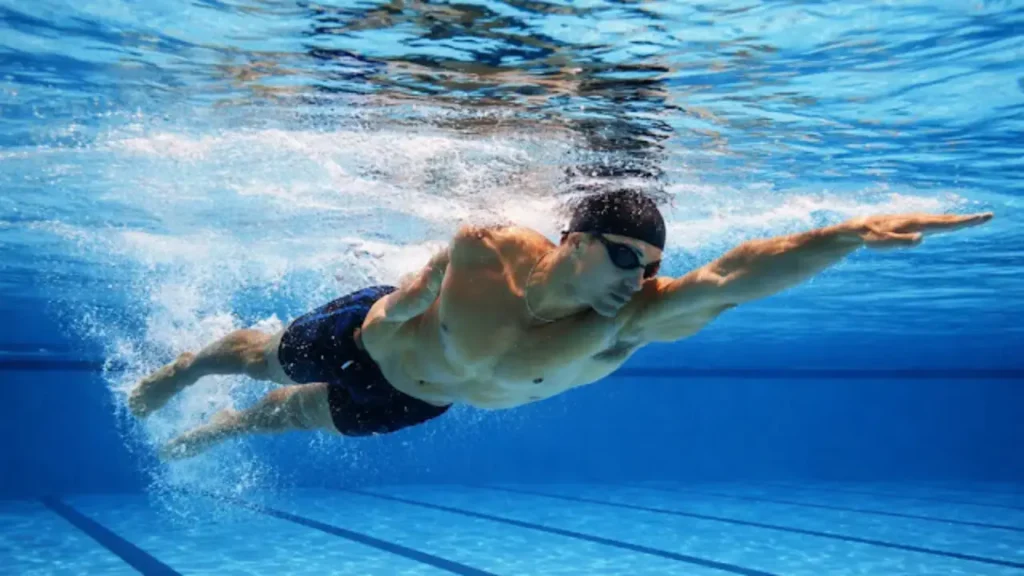
The catch phase is where your stroke begins. Your hand should enter the water gently, followed by your forearm. Avoid slapping the water.
During the pull phase, your arm should move in a curved path under your body. This maximizes propulsion.
Recovery should be relaxed. Tension wastes energy and reduces efficiency.
Flutter Kick Optimization
The flutter kick should be small and controlled, originating from the hips. Large kicks increase drag and waste energy.
Flexible ankles improve efficiency, acting like natural fins. Stiff ankles reduce propulsion.
Improving Backstroke Technique
Backstroke requires balance and spatial awareness since you cannot see where you are going.
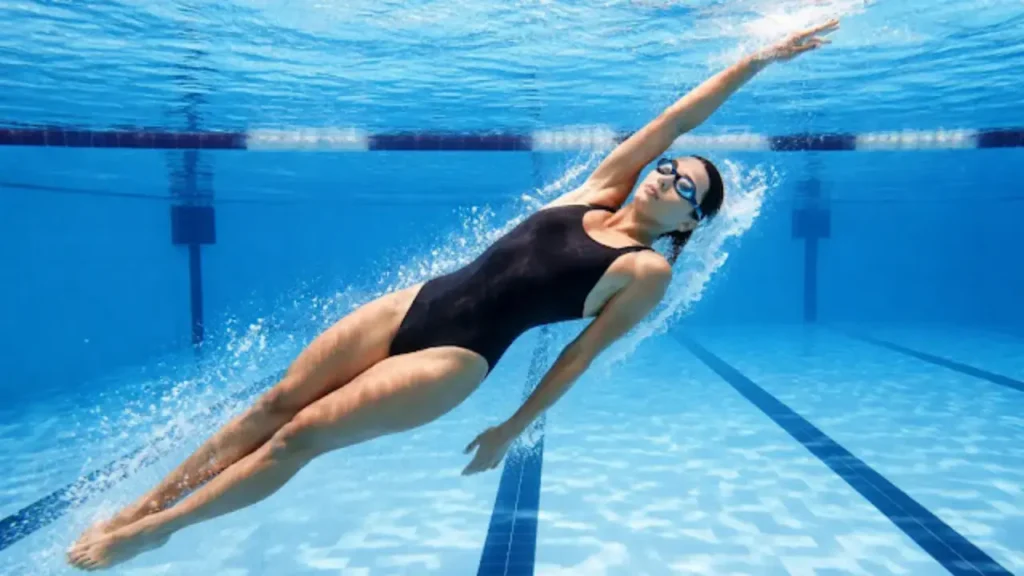
Your body should remain flat, with your ears just below the surface. Keeping your head still is crucial for maintaining alignment.
Body Alignment
A straight line from head to toe ensures minimal drag. Engaging your core helps maintain this alignment.
Arm Rotation
Arm movement should be continuous and rhythmic, like a windmill. Proper shoulder mobility enhances stroke efficiency.
Enhancing Breaststroke Skills
Breaststroke is the most technical stroke, requiring precise coordination.
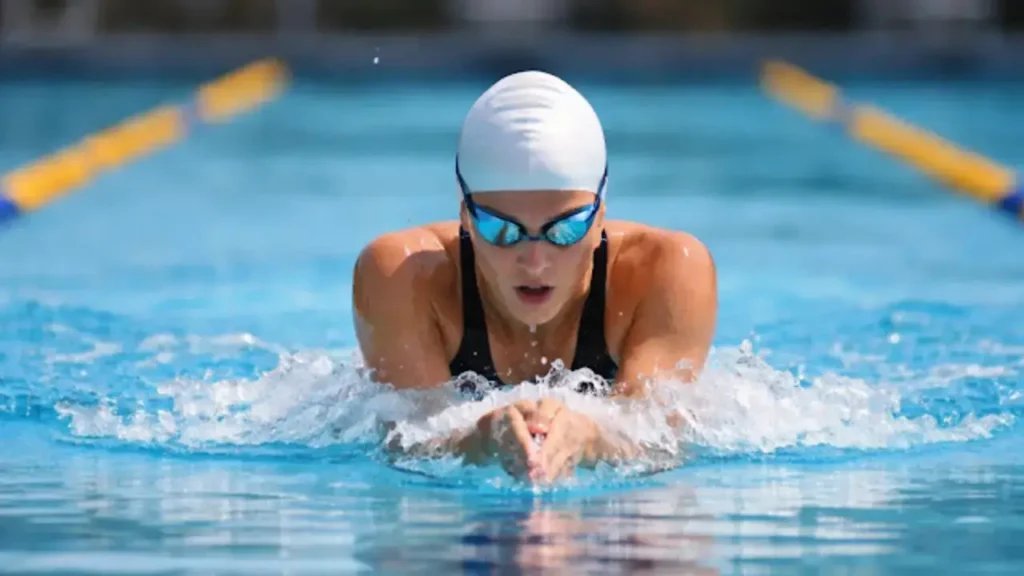
It follows a pull–breathe–kick–glide sequence. The glide phase is where you conserve energy and maximize distance.
Timing and Glide
Proper timing ensures smooth movement. Rushing the glide phase reduces efficiency.
Frog Kick Mechanics
The frog kick generates most of the propulsion. It should be compact and controlled, not wide and forceful.
Simplifying Butterfly Stroke
Butterfly is often considered the hardest stroke, but breaking it down makes it manageable.
The key is the wave-like motion driven by your core.
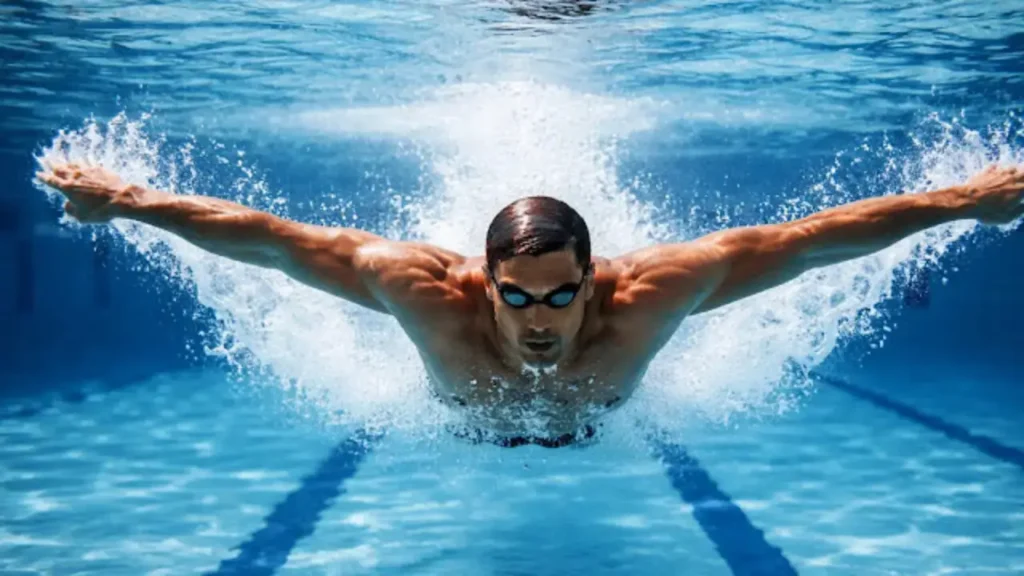
Dolphin Kick
The dolphin kick starts from your chest and flows through your hips and legs. It should be smooth and rhythmic.
Arm Recovery
Arm recovery should be relaxed and low to reduce resistance. Timing with the kick is essential for maintaining flow.
Building Strength and Endurance
Swimming endurance combines cardiovascular fitness and muscular stamina. According to the American College of Sports Medicine (ACSM), interval training significantly improves endurance and performance.
Dryland training strengthens key muscles and improves flexibility. Exercises like planks and pull-ups enhance stability and power.
Interval training in the pool builds endurance while maintaining technique under fatigue.
Common Mistakes and How to Fix Them
Many swimmers unknowingly develop bad habits.
Overkicking is a common mistake that wastes energy. Controlled kicks improve efficiency.
Poor breathing disrupts rhythm. Proper head rotation and exhalation fix this issue.
Crossing arms during freestyle increases drag. Keeping strokes aligned with shoulders improves balance.
Tension is another major issue. Relaxation reduces resistance and enhances performance.
Using Technology and Coaching for Improvement
Modern technology has transformed swimming training.
Wearable devices track metrics like stroke rate and distance. Video analysis helps identify technique flaws.
Coaching remains the most effective way to improve. Even occasional sessions can provide valuable insights.
Mental Strategies for Better Swimming Performance
Swimming is as much mental as it is physical.
Visualization helps improve technique by mentally rehearsing movements.
Setting small goals keeps motivation high.
Staying present prevents overwhelm and maintains focus.
Positive self-talk enhances performance and endurance.
Key Takeaways
Swimming techniques are the foundation of efficient performance. Focusing on body position, breathing, and stroke mechanics leads to significant improvements.
Technique should always come before speed. Small adjustments can produce dramatic results.
Consistency and patience are essential. Progress may feel slow, but it is cumulative.
Conclusion
Mastering swimming techniques is not about quick wins it’s about refining small details over time. When your body position aligns, your breathing synchronizes, and your strokes become efficient, swimming transforms from a struggle into a smooth, enjoyable experience.
If you’re serious about improving, focus on consistency, practice with purpose, and don’t hesitate to seek guidance.
Ready to take your swimming to the next level? Explore more expert fitness guides on our blog and start your transformation today.
FAQs
1. How long does it take to improve swimming technique?
Improvement depends on consistency and focus. With regular practice and attention to technique, many swimmers notice changes within a few weeks, but mastering skills can take months.
2. What is the most important swimming technique to learn first?
Body position is the most important. A streamlined, balanced position reduces drag and makes every other aspect of swimming easier.
3. How often should I practice swimming to improve?
Swimming 3–4 times per week is ideal for steady improvement, combined with occasional dryland training.
4. Why do I get tired so quickly while swimming?
Poor technique, inefficient breathing, and unnecessary tension are common causes. Improving these areas can significantly boost endurance.
5. Is it better to focus on speed or technique?
Technique should always come first. Speed naturally improves as your efficiency and form get better.