
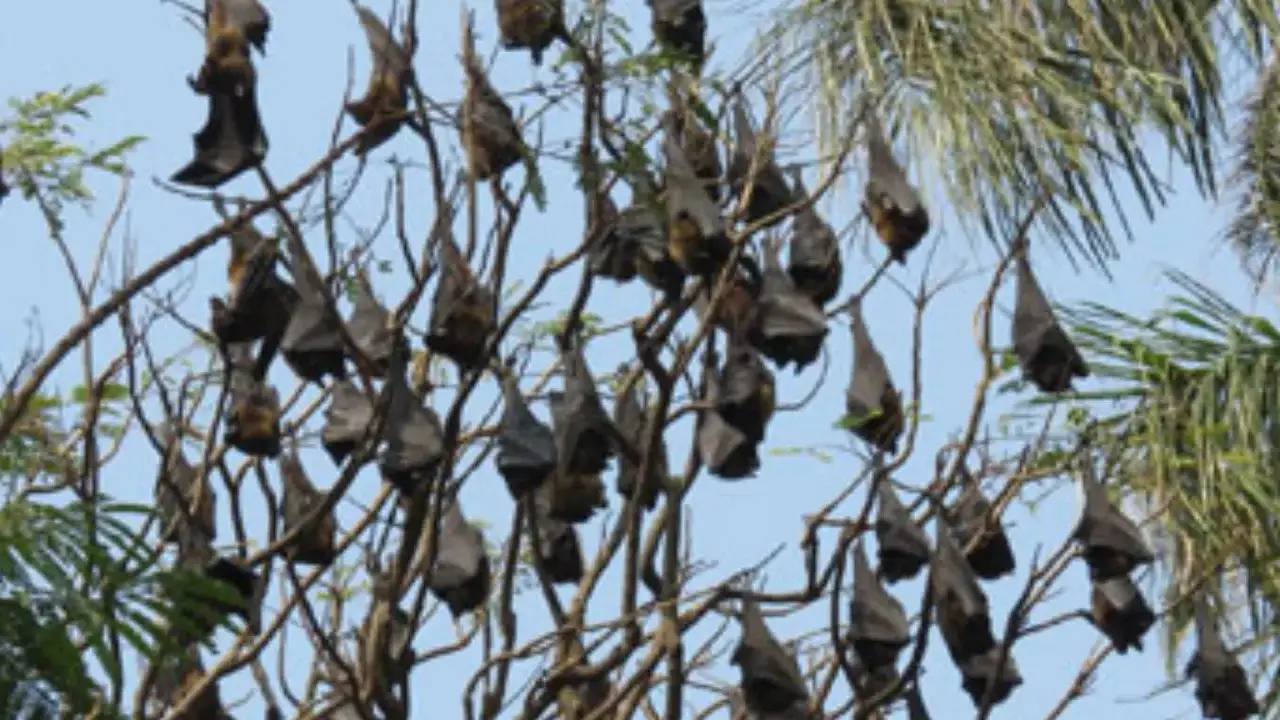
Bats at Alipore Zoo Tested Amid Nipah Virus Concern
Health authorities in West Bengal have stepped up surveillance for the Nipah virus, a dangerous zoonotic disease, by conducting tests on bats housed at Alipore Zoo in Kolkata. The move comes amid confirmed cases of the virus reported this month, raising public health concerns across the state and prompting teams of experts to trace the possible source of infection. Testing is currently underway to determine whether bats at the zoo are carriers of the virus, and officials expect results in the coming days.
The National Institute of Medical Research (NIMR) led the effort to collect blood and swab samples from bats at the Alipore Zoological Garden on January 22 and 23, 2026, conducting the procedure early in the morning before visitors entered the zoo. Teams followed strict biosafety protocols during the process to ensure both animal safety and human health protection.
Statewide Surveillance Following Confirmed Cases
This targeted testing of bats at Alipore Zoo is part of a broader Nipah virus surveillance drive across West Bengal after at least two health workers at a private hospital in Barasat, North 24 Parganas district tested positive for the virus earlier in January. These cases have triggered heightened monitoring and rigorous containment measures under the supervision of the state and central health authorities.
To trace potential sources of infection, similar sample collection has already taken place in other areas with bat populations, including Madhyamgram and Basirhat in the North 24 Parganas region. Fruit bats are known to be natural hosts for the Nipah virus, which can spread to humans through direct contact or contaminated food, making these surveys a critical part of the public health response.
Coordination Between Health and Forest Departments
The bat testing operation at Alipore Zoo was carried out in coordination with several government bodies. The Indian Council of Medical Research (ICMR) and the National Institute of Virology (NIV) are jointly conducting the RT-PCR tests with support from the West Bengal health department. The state Forest Department played an important role by granting permission and logistical assistance for safely catching and sampling bats.
West Bengal’s Chief Wildlife Warden Sandeep Sundriyal explained that catching bats legally requires prior approval from the Forest Department, which was duly granted for this exercise, ensuring the procedures were conducted responsibly and ethically.
Public Reassurance and Ongoing Precautions
Zoo authorities and health officials have emphasized that there is no immediate reason for panic, even as the testing continues. Precautionary steps were taken at the zoo before and during the sample collection, and the team completed their work before the regular daily opening hours to minimize any impact on visitors.
The health department has reiterated that the results of the RT-PCR tests will clarify whether the bats at Alipore Zoo carry the Nipah virus, but until then, they are urging calm while maintaining vigilance. Public health teams are also scheduled to visit Nadia district and other bat-inhabited areas as part of the sustained surveillance effort throughout the state.
What the Nipah Virus Means for Public Health
Nipah virus is considered a serious threat because it can cause severe illness in humans, including fever, respiratory problems, and brain inflammation. It has a high fatality rate and no specific cure or vaccine, making early detection and isolation essential for controlling its spread. Health officials continue to monitor contacts of infected patients and conduct widespread testing, all while advising the public to follow basic safety measures to reduce risk.
As the surveillance continues and results are awaited, the focus remains on thorough investigation and community awareness to ensure public safety without causing undue alarm.
Related posts:
 How Air Pollution Silently Damages Blood and Triggers Anaemia
 How Precision Biotherapeutics Are Transforming India’s Future Healthcare
 Global Alarm as Ultra-Processed Foods Threaten Public Health Worldwide
 India’s 2026 Health Trends Reveal Rising Medical Costs Ahead
 Supreme Court Seeks National Cancer Notification to Strengthen Health Surveillance
 Satna Hospital HIV Case: Thalassaemia Children Infected After Blood Transfusion
 AI, Obesity Drugs and Biologics Reshape India’s Pharmaceutical Growth Story
 Namakkal Poultry Farms On High Alert After Kerala Avian Flu
 Rising Antimicrobial Resistance in India: Antibiotic Misuse Threatens Public Health
 What Science Says About Pomegranate Juice Benefits for Heart Health