Warriors and Lakers Clash Under Bright Lights in Los Angeles
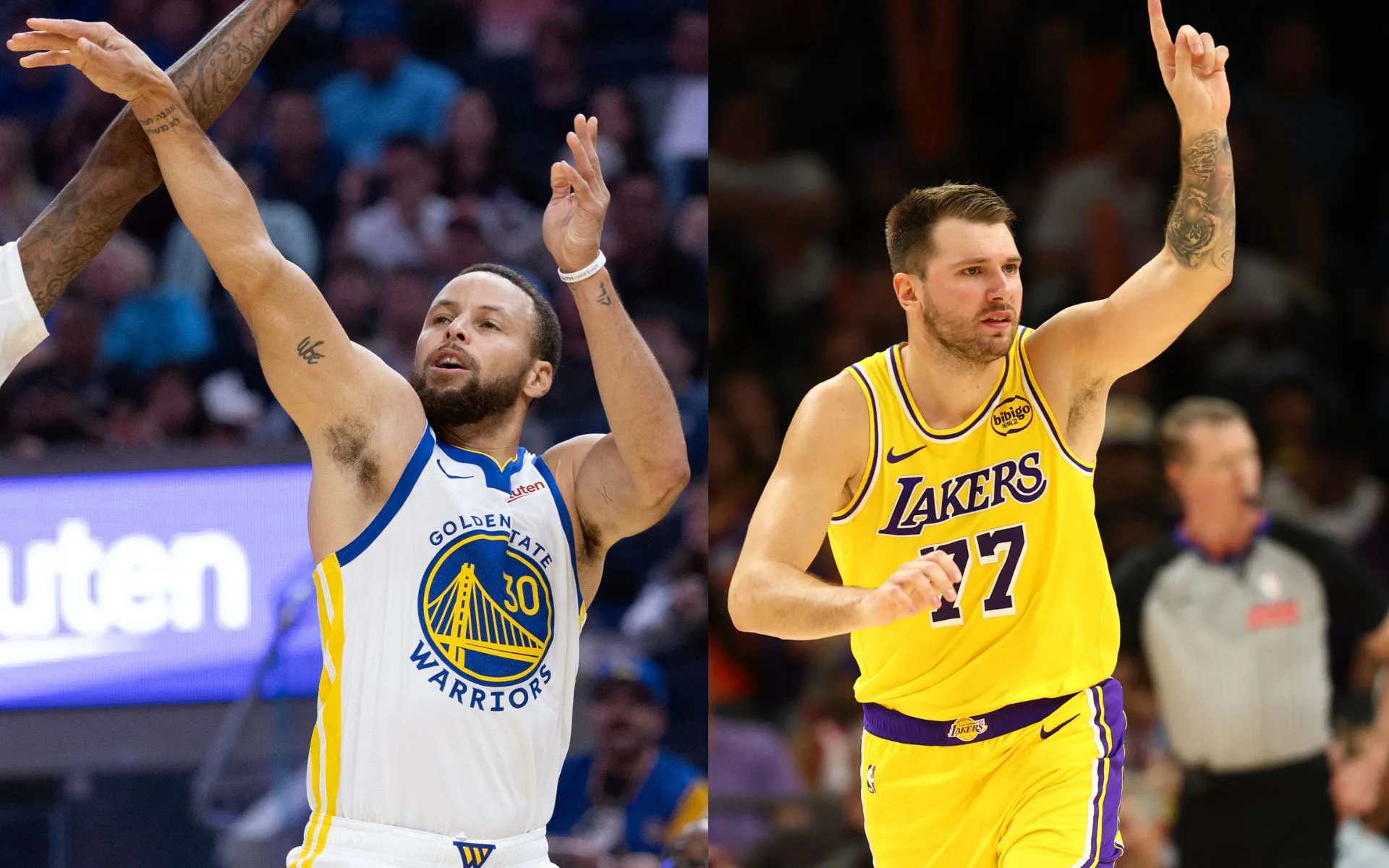
The Golden State Warriors and Los Angeles Lakers faced off in a high-profile NBA primetime game on Saturday, February 7, 2026, at Crypto.com Arena. Even before tip-off, the matchup carried a unique edge because both teams were missing their biggest stars. Stephen Curry was ruled out with a lingering knee issue, while Luka Dončić sat for the Lakers due to a hamstring injury. With two superstars unavailable, the spotlight shifted to depth, coaching, and mental toughness rather than individual brilliance.
Warriors Enter With Momentum Despite Adversity
Golden State arrived in Los Angeles riding emotional momentum after a dramatic 101–97 comeback win against the Phoenix Suns just two nights earlier. That victory was built on defensive intensity and belief, as the Warriors erased a 14-point fourth-quarter deficit with a stunning late surge. The win was especially meaningful given the team’s injury troubles and recent trade deadline changes, along with the season-ending ACL injury to Jimmy Butler and the absence of key rotation players like Jonathan Kuminga and Buddy Hield.
Head coach Steve Kerr made it clear that resilience has defined his team’s season. His message emphasized trust, adaptability, and spacing the floor, even if that meant living and dying by the three-point shot.
Golden State’s Three-Point Heavy Game Plan
Against the Lakers, Kerr doubled down on a perimeter-focused offense. Over their previous games, the Warriors had attempted close to 50 three-pointers per night, using volume shooting to compensate for the lack of traditional shot creators. This approach placed heavy responsibility on players like Moses Moody, Brandin Podziemski, and De’Anthony Melton to stretch the defense and keep the ball moving.
The strategy also tested the Lakers’ perimeter defense, which had allowed opponents to shoot a relatively high percentage from deep this season. From the opening minutes, it was clear Golden State was comfortable firing from long range, trusting numbers and rhythm over hesitation.
Lakers Lean on LeBron and Collective Effort
For Los Angeles, Luka Dončić’s absence meant the burden fell squarely on LeBron James. The veteran forward once again became the engine of the offense, scoring from the perimeter, attacking the rim, and creating open looks for teammates. Marcus Smart brought defensive edge and toughness, while Austin Reaves provided steady playmaking and energy.
The Lakers’ approach relied on balance rather than explosive scoring. Smart’s ability to draw fouls and disrupt passing lanes, combined with Reaves’ creativity and LeBron’s leadership, kept the Lakers composed during momentum swings.
Benches and Role Players Shape the Game
With both teams shorthanded, bench contributions played a massive role. Golden State received sparks from Gui Santos, Gary Payton II, and Pat Spencer, who provided hustle, timely baskets, and defensive pressure. Draymond Green’s leadership stood out, as he organized the defense, hit key shots, and set the emotional tone.
The Lakers countered with strong minutes from players like Rui Hachimura, Jake LaRavia, Maxi Kleber, and Jaxson Hayes. Each possession felt important, and small plays such as offensive rebounds, blocks, and loose-ball recoveries swung momentum back and forth.
A Gritty NBA Battle Defined by Effort
As the game progressed, it felt less like a superstar showcase and more like a chess match between coaching staffs. Adjustments came quickly, rotations stayed fluid, and intensity never dipped. Fans watching on national television were treated to a reminder of what makes NBA basketball compelling adaptation, depth, and relentless competition.
Regardless of the final score, the Warriors vs Lakers clash on February 7, 2026, stood as a clear example that even without marquee names, NBA rivalries remain powerful. It was a night driven by grit, teamwork, and the understanding that in a long season, games like these can define confidence and direction moving forward.
Related posts:
 Supreme Court signals skill-based tournaments may escape India’s new gaming ban
 India Clinches Nine Golds in World Boxing Cup Finals 2025
 IPL 2026 Uncertain as Chinnaswamy Stadium Awaits Structural Safety Clearance
 Lionel Messi India Tour Ends in Delhi With Grand Events
 From Struggle to Stardom: IPL Mini Auction Changed These Lives
 Palestinian Flag Controversy Erupts at Jammu Kashmir Domestic Cricket Match
 Mohammed Shami Ignored Again as India ODI Squad Announced
 Why Vaibhav Suryavanshi Is Forcing India’s T20I Selection Rethink
 ICC Warns Pakistan of Isolation Over T20 World Cup Boycott
 Pakistan May Skip India Match at T20 World Cup 2026