The US–Israel–Iran conflict has entered a dangerous new phase. What began as years of nuclear suspicion and diplomatic pressure has now turned into open military confrontation. Airstrikes inside Iran, missile retaliation toward Israel, and reports of an attack targeting US naval assets in the Gulf have dramatically raised the stakes.
For India, this is not distant news. It has direct implications for fuel prices, the Indian diaspora in West Asia, trade routes, and strategic diplomacy. To understand what comes next, it is important to understand how the crisis escalated step by step.
How the US–Israel–Iran Conflict Reached Open War
Phase 1: Rising Nuclear Tensions
The roots of the US–Israel–Iran conflict lie in the long-running dispute over Iran’s nuclear program. The United States and Israel have consistently accused Tehran of moving beyond peaceful nuclear energy and developing capabilities that could lead to nuclear weapons.
Iran has denied these allegations. It insists its nuclear program is for civilian energy and medical research.
Tensions intensified after the United States withdrew from the 2015 nuclear deal under former US President Donald Trump. Sanctions were reimposed. Iran responded by gradually expanding uranium enrichment.
Over the years, covert operations, cyberattacks, sanctions, and shadow strikes kept the rivalry simmering. But diplomacy weakened. Military deployments in the Gulf increased. The region was slowly inching toward confrontation.
Phase 2: US and Israeli Airstrikes on Iran
The turning point came when coordinated US and Israeli airstrikes targeted Iranian military infrastructure.
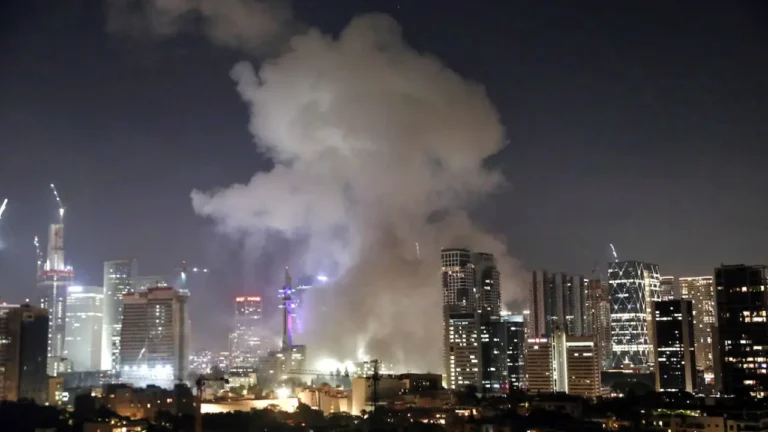
Explosions were reported across several Iranian cities, including the capital, Tehran. Iranian media reported that one of the early strikes occurred near offices associated with Iran’s Supreme Leader, Ali Khamenei.
Smoke rising over Tehran signaled something unprecedented. The conflict had moved from covert operations to open, acknowledged strikes.
For Israel, the objective was to degrade Iran’s missile and military capabilities. For the United States, the stated aim was to prevent threats to regional shipping lanes and American forces.
This marked a dramatic escalation.
Phase 3: Official US Declaration of Combat Operations
President Donald Trump publicly announced that the US had begun “major combat operations” against Iran.
He stated that the mission aimed to eliminate Iranian missile stockpiles and neutralize naval assets that could threaten oil shipping through the Gulf.
He also warned Americans that casualties could occur as operations progressed.
This statement was crucial. It formally confirmed direct US military involvement. The conflict was no longer limited to Israeli action or covert operations. It had become a direct US–Iran confrontation.
Phase 4: Iranian Retaliation Expands the Battlefield
Iran responded with missile launches toward Israeli targets.
This retaliation widened the conflict dramatically. Instead of proxy clashes through regional groups, Israel and Iran were now directly exchanging fire.
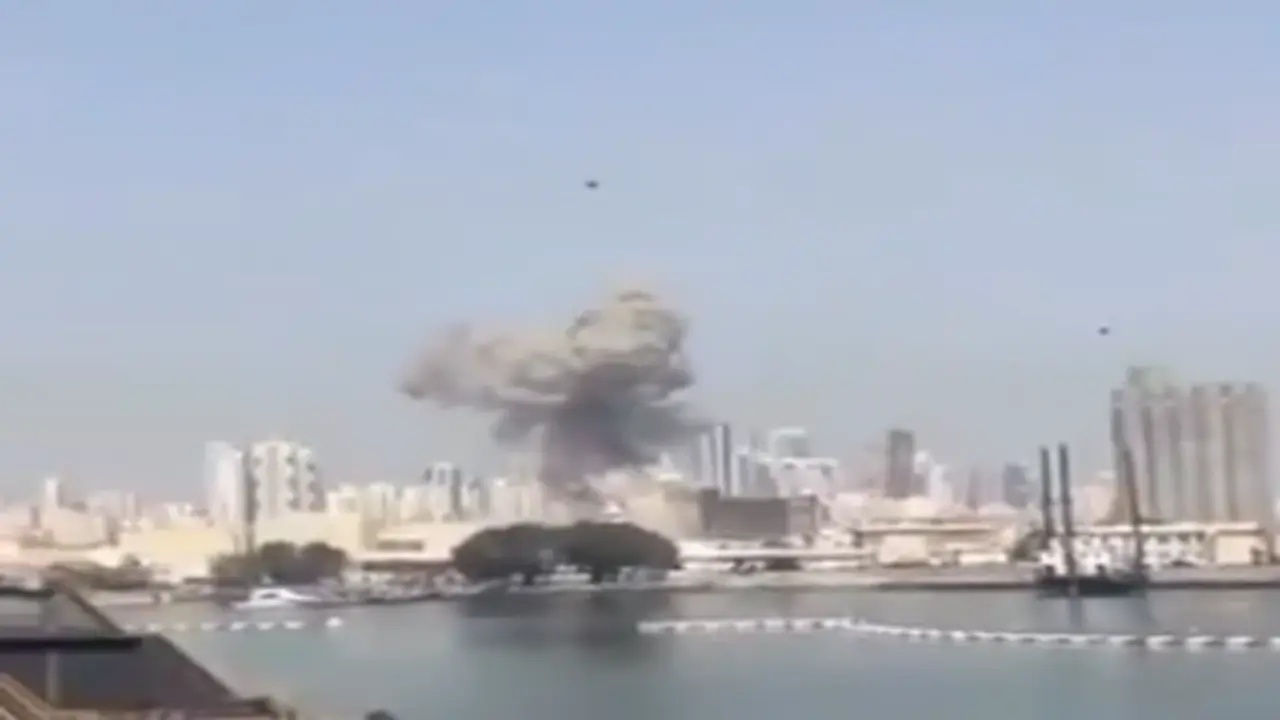
Reports from Bahrain added another layer of danger. A missile strike allegedly targeted the headquarters of the US Navy’s Fifth Fleet.
The United States Fifth Fleet is based in Bahrain and oversees naval operations across the Gulf, including the critical Strait of Hormuz.
Although Bahraini authorities did not immediately confirm damage or casualties, the very targeting of this installation signaled direct confrontation between Iran and US military infrastructure.
The conflict had become multi-front.
Why the Strait of Hormuz Matters So Much
The Strait of Hormuz is one of the most important oil chokepoints in the world. Nearly 20 percent of global oil trade passes through it.
Any disruption here can immediately affect global markets.
If tensions escalate and shipping is disrupted, oil prices could spike sharply. Insurance costs for tankers would rise. Global inflation could worsen.
For India, this is critical.
India imports a large share of its crude oil from Gulf nations. Even a short disruption can push fuel prices higher. This affects transport costs, food prices, and household budgets.
A conflict in the Gulf quickly becomes a cost-of-living issue in India.
US Naval Presence in Bahrain: A Strategic Flashpoint
Bahrain hosts the United States Fifth Fleet. Its responsibilities include protecting oil shipping lanes, monitoring Iranian naval activity, and deterring missile and drone threats.
If a US naval installation is attacked, Washington may feel compelled to respond more forcefully.
This increases the risk of a broader war.
It also increases uncertainty for international shipping and trade.
For India, which depends heavily on Gulf sea routes, maritime instability is a serious concern.
Direct Israel–Iran Confrontation: A Dangerous Shift
For years, Israel and Iran engaged indirectly. Iran supported proxy groups. Israel conducted limited airstrikes and covert operations.
Now, missile exchanges represent direct state-to-state confrontation.
This change increases the speed of escalation. It reduces space for deniability. It raises the risk of miscalculation.
If either side suffers heavy casualties, retaliation could spiral.
The shift from shadow conflict to open military exchange is what makes this crisis especially dangerous.
Why the US–Israel–Iran Conflict Matters to India
Energy Security Risks
India is one of the world’s largest energy consumers.
If oil prices surge, India’s import bill rises. This weakens the rupee and adds pressure to inflation.
Higher fuel costs affect transport, agriculture, and manufacturing. Ultimately, consumers feel the impact.
The government may be forced to adjust taxes or increase subsidies, which affects fiscal planning.
Indian Diaspora in the Gulf
Millions of Indians live and work in Gulf countries such as the UAE, Saudi Arabia, Bahrain, and Qatar.
In times of conflict, evacuation operations may become necessary. India has successfully conducted such missions in the past.
However, instability can also slow economic activity in the Gulf, affecting jobs and remittances sent back home.
Remittances form an important part of income for many Indian families.
Strategic Balancing for New Delhi
India maintains close ties with the United States and Israel. At the same time, it has historical ties with Iran.
India has invested in Iran’s Chabahar Port project, which provides access to Afghanistan and Central Asia.
Escalation complicates India’s diplomatic balancing act.
New Delhi is likely to call for restraint while protecting its strategic and economic interests.
What Could Happen Next?
Scenario One: Controlled Escalation
Both sides limit strikes. They signal strength but avoid full-scale war.
Oil prices fluctuate but stabilize.
This would be the least damaging outcome for India.
Scenario Two: Strait of Hormuz Disruption
Iran threatens or temporarily blocks maritime traffic.
Oil prices spike sharply.
India faces rising import costs and potential fuel inflation.
This scenario would test India’s energy diversification strategy.
Scenario Three: Wider Regional War
If additional countries become involved or US–Iran strikes intensify, the conflict could expand.
This would trigger severe economic consequences globally.
Markets would react sharply. Shipping lanes could face prolonged disruption.
India would need contingency planning on energy reserves and evacuation readiness.
Final Perspective: A Critical Moment for the Region
The US–Israel–Iran conflict has moved from tension to direct confrontation.
Airstrikes in Iran. Missile launches toward Israel. Alleged targeting of US naval infrastructure in Bahrain.
The conflict now spans land, air, and sea.
For India, the stakes are real. Energy security, economic stability, overseas citizens, and strategic partnerships are all affected.
This is not just a Middle East crisis. It is a global economic and geopolitical flashpoint.
The coming days will determine whether diplomacy regains control or whether escalation continues.
India, like the rest of the world, will be watching closely and preparing carefully.
Related posts:
 Pakistan’s 27th Amendment: Cementing Field Marshal Asim Munir’s Power
 Japan–China Diplomatic Row Deepens Over Taiwan Comments
 Medvedev Warns US: Nuclear Weapon Transfer to Ukraine Equals Attack
 Mossad Uncovers Hamas Terror Network in Europe Linked to Qatar
 Delhi Government Restructures Revenue Districts: 13 Districts, 39 SDM Offices
 Trump Sends Envoy to Moscow for Russia-Ukraine Peace Talks
 Trump Announces Permanent Pause on Migration from Third World Countries
 Major Anti-Drug Operation: Telangana and Delhi Police Bust Big Network
 Assam GoM Recommends ST Status for Six Communities in Report
 Fresh FIR Against Gandhis Sparks Congress Allegations of Vendetta Politics