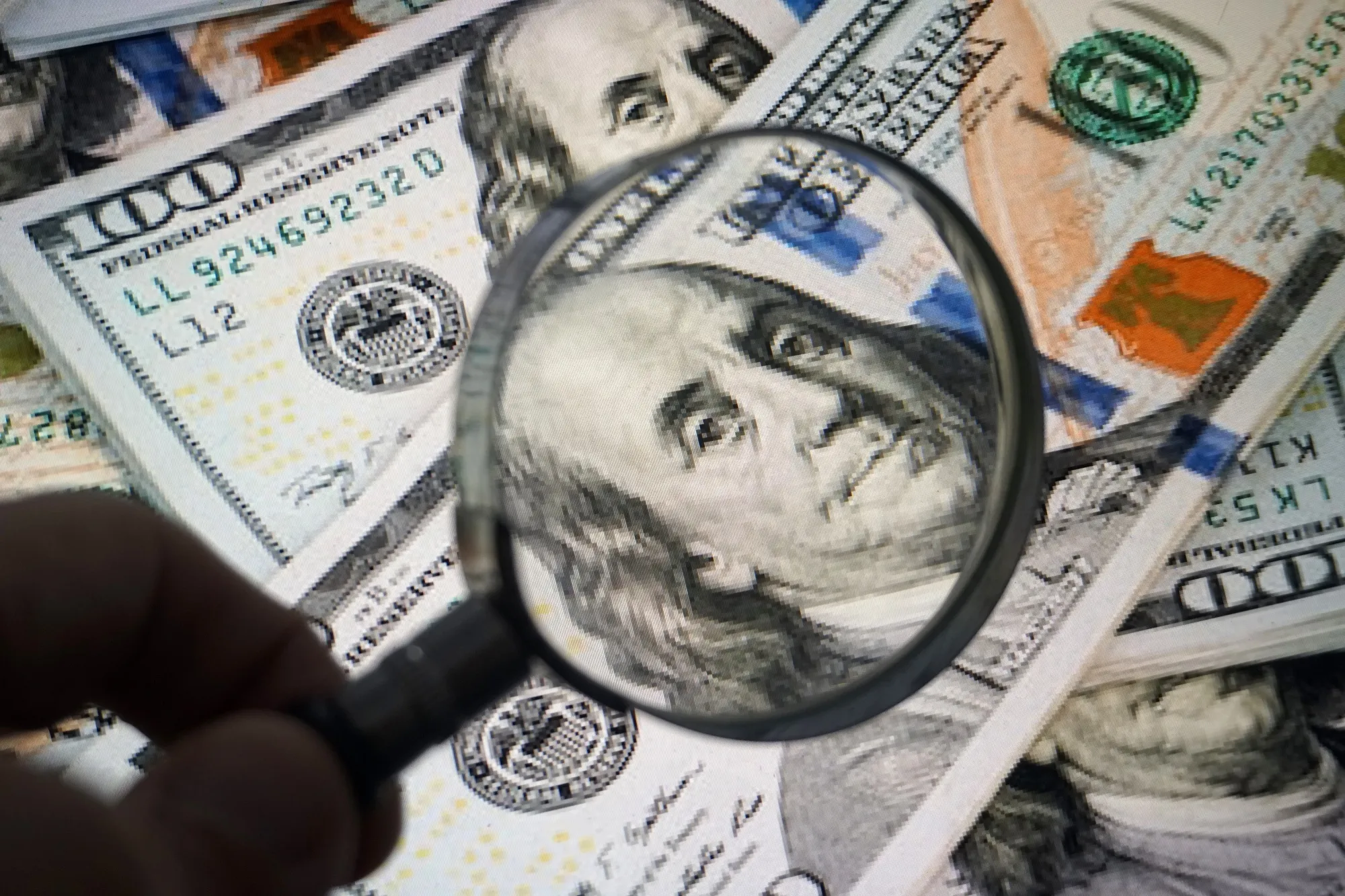
Today, the US dollar stands at the heart of the global financial system. From oil trade in the Middle East to technology deals in Asia, most international transactions are priced in dollars. Central banks hold vast dollar reserves, and global investors treat US government bonds as among the safest financial assets available.
This extraordinary position has long been described as America’s “exorbitant privilege,” a phrase coined in the 1960s by Valéry Giscard d’Estaing. The term captures the unique advantages the United States enjoys because its currency functions as the world’s primary reserve currency.
But how did the US dollar reach this level of dominance, and why does it still matter in today’s shifting geopolitical and economic landscape?
Before the US Dollar: When the Pound Ruled
The era of British financial supremacy
In the 19th and early 20th centuries, the British pound sterling was the world’s dominant reserve currency. Britain was the largest trading power, and London was the global financial hub.
Countries trusted the pound because Britain’s empire spanned continents, and its navy secured global trade routes.
However, two world wars changed the balance of power. Britain emerged financially weakened, heavily indebted, and economically strained.
America’s rise after World Wars
Meanwhile, the United States emerged as the world’s largest industrial economy and a major creditor nation.
By the end of World War II, the US held the majority of the world’s gold reserves and accounted for a large share of global output.
Economic strength naturally translated into monetary influence.
Bretton Woods: The Birth of Dollar Dominance
The 1944 agreement that changed the world
In July 1944, representatives from 44 countries met in Bretton Woods, New Hampshire, to design a new international monetary system.
The conference created institutions like the International Monetary Fund and the World Bank.
Under the Bretton Woods system, countries pegged their currencies to the US dollar, and the dollar itself was convertible into gold.
This effectively made the dollar the anchor of global finance.
Why the dollar was trusted
At that time, the United States had unmatched economic power, political stability, and gold reserves.
Central banks began holding dollars as reserves because they were as good as gold.
Trust, backed by economic strength, cemented the dollar’s central role.
The Nixon Shock: End of Gold, Not Power
1971 and the collapse of gold convertibility
By the late 1960s, the US was running large fiscal deficits due to Vietnam War spending and domestic programs.
Foreign governments began converting their dollar reserves into gold.
In 1971, President Richard Nixon ended the dollar’s convertibility into gold, an event known as the “Nixon Shock.”
This ended the Bretton Woods system and introduced floating exchange rates.
Why the dollar survived without gold
Many predicted the dollar would weaken permanently.
Instead, it remained dominant.
The reason was simple. The US economy was still the largest in the world, its financial markets were deep and liquid, and its institutions were trusted.
From that point on, the dollar became a fiat reserve currency, backed by confidence rather than gold.
What Makes a Reserve Currency So Powerful?
The scale of US dollar dominance
Today, roughly 59 percent of global foreign-exchange reserves are held in US dollars.
Nearly 90 percent of global foreign-exchange transactions involve the dollar.
Most commodities, especially oil, are priced in dollars.
This creates a powerful network effect. The more countries use the dollar, the more useful it becomes.
Stability and liquidity
The US Treasury market is the largest and most liquid bond market in the world.
In times of crisis, investors rush into dollar assets.
During events like the 2008 global financial crisis and the COVID-19 pandemic, the dollar strengthened rather than weakened.
This safe-haven status reinforces its global dominance.
Understanding “Exorbitant Privilege”
Lower borrowing costs for America
Because global demand for US Treasury bonds is high, the US government can borrow at lower interest rates than most countries.
This reduces the cost of financing deficits.
Ability to run trade deficits
The US can import more than it exports without triggering a currency crisis.
Other countries are willing to hold dollars and dollar assets.
In effect, the United States can pay for imports with its own currency, something few countries can do safely.
Geopolitical influence
Dollar dominance enhances America’s ability to impose financial sanctions.
Countries that rely on dollar-based financial systems are vulnerable to restrictions.
This strengthens US geopolitical leverage.
Exorbitant privilege is not just economic power; it is strategic power.
The Hidden Costs of Dollar Dominance
Strong dollar and manufacturing pressure
A strong dollar makes US exports more expensive globally.
This can hurt domestic manufacturing competitiveness.
Responsibility to supply dollars
For the world to function smoothly, the US must supply dollars.
This often requires persistent trade and fiscal deficits.
Some economists argue that reserve-currency status can become a burden over time.
Privilege comes with structural responsibility.
Can the Dollar Be Replaced?
China and alternative currencies
Countries like China and Russia have explored reducing dependence on the dollar.
China has promoted the renminbi in trade settlements and expanded currency swap agreements.
The renminbi was added to the IMF’s Special Drawing Rights basket in 2016.
However, capital controls and limited financial openness restrict its global appeal.
Why replacement is unlikely soon
Reserve currencies change slowly.
The transition from pound to dollar took decades.
The US financial system remains more transparent and open than most alternatives.
Trust, scale, and liquidity are difficult to replicate.
Why Dollar Dominance Matters for India
Trade and oil pricing
India imports a large portion of its crude oil, priced in dollars.
When the dollar strengthens, India’s import bill rises.
This can widen the current account deficit and pressure the rupee.
Foreign reserves and policy decisions
The Reserve Bank of India holds significant dollar reserves to stabilize the currency.
Global dollar liquidity conditions directly affect India’s capital flows and interest rates.
When the US Federal Reserve raises rates, capital often flows out of emerging markets like India.
Dollar movements influence everyday economic realities in India.
The Bigger Picture: Power and Responsibility
The rise of the US dollar was shaped by economic dominance after World War II, institutional credibility, and deep financial markets.
Even after the end of the gold standard, trust sustained its leadership.
Today, the dollar remains the backbone of global finance.
The concept of “exorbitant privilege” captures both the advantages and obligations of issuing the world’s primary reserve currency.
For India and other emerging economies, understanding dollar dominance is not academic. It shapes inflation, trade balances, capital flows, and geopolitical strategy.
In the 21st century, the US dollar is more than a currency. It is a pillar of global economic architecture, influencing decisions from Washington to New Delhi.
Related posts:
 SEBI Cautions Investors: Digital Gold Products Are Not Regulated Gold
 US Tech Giants Oppose India’s 6 GHz Spectrum for Mobile Use
 A320 Aircraft Issue Disrupts IndiGo and Air India Flight Operations
 Vi ₹1 Recharge Pack: Cheap SIM Activation for Light Users
 SEBI bans Avadhut Sathe’s academy, impounds Rs 546 cr for unregistered advisory — major blow to finfluencers
 Russia-Linked Investors Surge into Indian Markets via SEBI Registration
 Ultimate Guide to Jio ₹3333 Annual Plan and ₹369 Recharge
 Andhra Pradesh Hosts World’s Largest Green Ammonia Project Kakinada
 India EU Trade Deal May Boost Smartphone Exports Significantly
 India-US Trade Deal Textile Benefits and Zero Tariff Access