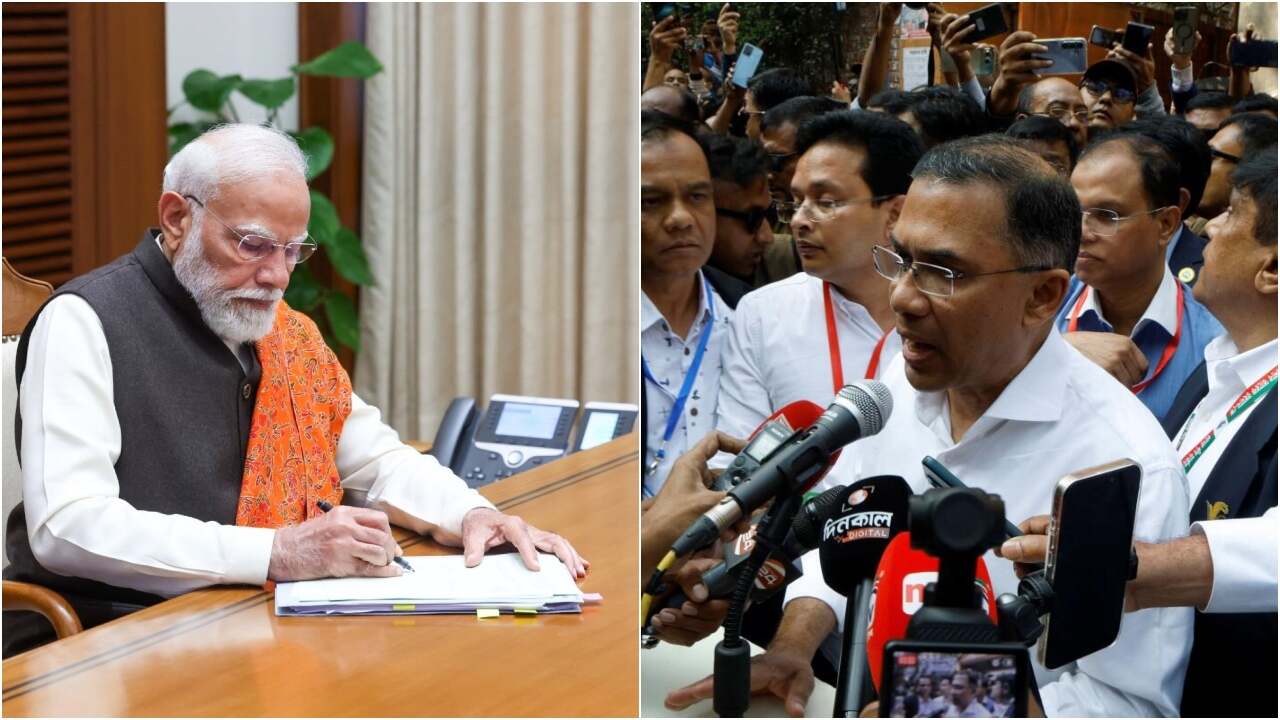
Senior leaders of the Bangladesh Nationalist Party (BNP) have made their position unmistakably clear: the party wants former Prime Minister Sheikh Hasina extradited from India, but strictly through legal and international frameworks.
In a recent interview, BNP Secretary-General Mirza Fakhrul Islam Alamgir emphasized that while the party supports Hasina’s return to Bangladesh, the matter will follow due process and existing extradition mechanisms. Importantly, he insisted that the issue should not damage India-Bangladesh bilateral ties.
This evolving situation carries significant legal, diplomatic, and geopolitical implications.
BNP’s Position on Sheikh Hasina Extradition
The BNP leadership has framed the issue as both legal and diplomatic rather than political rhetoric.
Mirza Fakhrul’s Legal Approach
Fakhrul stated that any extradition request must proceed “as per rules” and “as per international rules.” Bangladesh has formally requested that India repatriate Sheikh Hasina, who has been residing in New Delhi since August 2024.
His emphasis was clear: the process must respect international law and the bilateral extradition treaty between Bangladesh and India.
Bangladesh and India signed an extradition treaty in 2013, later amended to widen its scope. The treaty allows extradition for offenses recognized as crimes in both countries, subject to legal safeguards.
Fakhrul’s statement signals that BNP intends to work within that framework rather than escalate tensions.
The Tribunal Verdict and Legal Context
In November 2025, a special tribunal in Bangladesh reportedly sentenced Hasina to death in absentia in a case related to crimes against humanity during the 2024 unrest.
The unrest followed a mass uprising that led to her resignation and departure from office. The verdict has significantly intensified calls within Bangladesh for her return.
However, extradition in such cases is complex.
Under international law, countries may deny extradition if:
The individual faces capital punishment.
The charges are seen as politically motivated.
Fair trial guarantees are questioned.
These factors could influence India’s decision-making process.
Will Extradition Hurt India-Bangladesh Relations?
One of the key concerns is whether this issue could derail improving ties between New Delhi and Dhaka.
Fakhrul’s Optimistic Assessment
Fakhrul dismissed fears of diplomatic fallout.
“It will not be a roadblock between Bangladesh and India’s relationship,” he said. He added that India has not denied Hasina’s presence and has not ruled out future action.
His message was one of cautious optimism.
This suggests BNP is keen to avoid framing the issue as a bilateral confrontation. Instead, it is positioning extradition as a procedural matter between foreign ministries.
Diplomatic Channels in Motion
Senior BNP leader Salahuddin Ahmed also confirmed that Bangladesh’s foreign ministry has taken up the matter.
He stressed that the issue should be handled “according to the law” and through diplomatic engagement.
This structured approach may be aimed at reassuring India that:
There will be no populist pressure campaigns.
Legal norms will be respected.
Bilateral cooperation remains a priority.
Why the Sheikh Hasina Extradition Case Is Sensitive
The case sits at the intersection of domestic politics and regional diplomacy.
Bangladesh’s Internal Political Landscape
The BNP and the Awami League, led by Hasina for years, have long been political rivals. The events of 2024 dramatically reshaped Bangladesh’s political environment.
For the BNP, pursuing extradition aligns with demands for accountability following the unrest.
However, critics may argue that trials in absentia and capital punishment raise questions that could complicate extradition.
The legal credibility of proceedings will be crucial.
India’s Strategic Calculations
India maintains deep economic, security, and cultural ties with Bangladesh.
New Delhi must balance:
Treaty obligations.
Regional stability.
Domestic political considerations.
International human rights concerns.
Extraditing a former prime minister sentenced to death could attract global scrutiny.
Conversely, refusing extradition could strain Dhaka’s expectations under the bilateral treaty.
This creates a delicate diplomatic balancing act.
The Role of International Law in Extradition
Extradition is not automatic, even when a treaty exists.
Key Legal Considerations
India would likely evaluate:
Whether the charges meet dual criminality standards.
Whether due process was observed.
Whether assurances against execution are provided.
Whether the case is political in nature.
In many extradition cases globally, countries seek assurances that the death penalty will not be carried out.
Such diplomatic assurances could become central to negotiations.
Time as a Diplomatic Factor
Fakhrul’s remark that “Time is the best healer” reflects recognition that extradition decisions often unfold slowly.
Legal reviews, diplomatic consultations, and potential judicial challenges can extend over months or even years.
This measured timeline may reduce immediate political friction.
BNP’s Long-Term Strategy
Fakhrul is among the senior-most BNP leaders and a close associate of Tariq Rahman. He has led the party through complex political phases, including periods of leadership from exile.
By emphasizing legal mechanisms rather than aggressive rhetoric, the BNP appears to be:
Signaling governance readiness.
Reassuring international observers.
Avoiding diplomatic escalation.
This strategic tone could help position the party as institutionally responsible on the global stage.
What Happens Next?
The next steps likely involve:
Continued diplomatic engagement between foreign ministries.
Legal scrutiny of the extradition request in India.
Potential negotiations on assurances related to sentencing.
Monitoring of Bangladesh’s internal judicial processes.
The case could also influence broader regional cooperation in South Asia.
Final Analysis: A Test of Law and Diplomacy
The Sheikh Hasina extradition issue is more than a political demand.
It is a test of:
Bilateral treaty mechanisms.
Judicial transparency.
Diplomatic maturity.
Regional stability.
BNP’s public stance suggests it wants justice without jeopardizing India-Bangladesh ties.
Whether optimism translates into action will depend on legal safeguards, diplomatic negotiations, and evolving political realities.
For now, the message from BNP leadership is clear: the party remains hopeful, patient, and committed to pursuing extradition within international norms without turning it into a diplomatic crisis.
Related posts:
 Pakistan’s 27th Amendment: Cementing Field Marshal Asim Munir’s Power
 Trump Warns NATO Exit Over Greenland Deal and Security Concerns
 PM Modi Launches Kaziranga Corridor, Amrit Bharat Trains in Assam
 United States Completes Historic Withdrawal From World Health Organization WHO
 Diplomatic Tensions Rise After Sheikh Hasina’s Recorded Delhi Message
 Save Manipur Rally Shows Unity Against Division, Demands Peace, Resettlement
 Myanmar Earthquake Shakes Kolkata, Tremors Felt Across Eastern India
 SSB Clears No Man’s Land Encroachment Along India Nepal Border
 Tragic Noida and Delhi Pit Accidents Safety Negligence Claims Lives
 Bangladesh Rushes Secret US Trade Deal Ahead of Crucial Elections