PCB and ICC Clash Over Demands in T20 World Cup Controversy
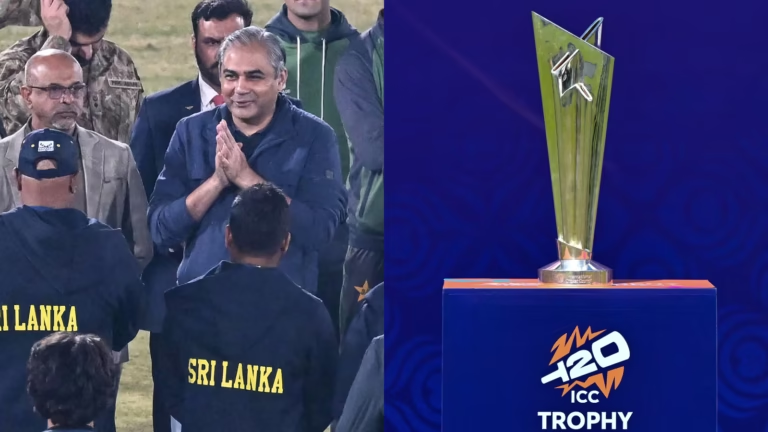
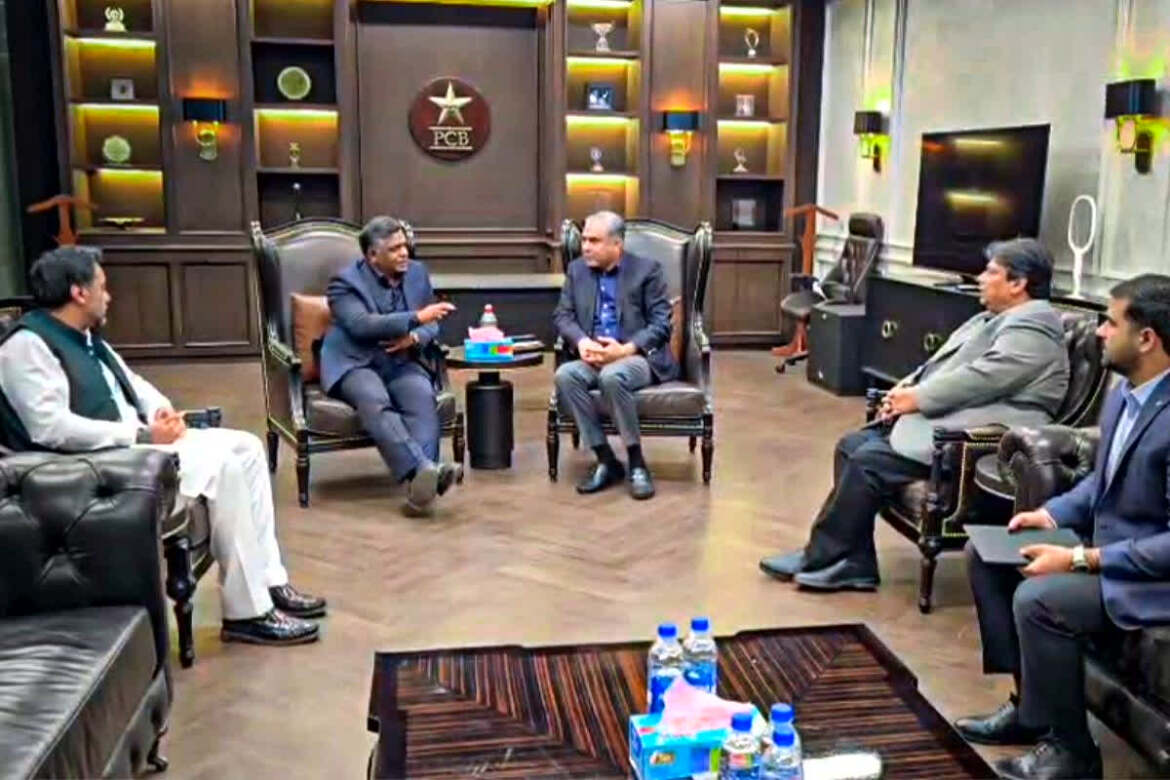
The ongoing Pakistan Cricket Board (PCB) and International Cricket Council (ICC) standoff has taken global cricket by surprise as the PCB placed several significant demands before the ICC in return for reversing its threatened boycott of the T20 World Cup 2026 match against India. This disagreement has dominated cricket news, with every cricket fan watching closely how the situation unfolds. The PCB’s proposals touched on revenue, bilateral ties, and tournament participation, but the ICC’s responses show a clear line between what the global body can and cannot do.
What the PCB Demanded from the ICC
In a bid to ease tensions and encourage Pakistan’s participation in the World Cup match against India, the Pakistan Cricket Board presented a set of demands to the ICC. One of the first key demands was that the Bangladesh Cricket Board (BCB), which did not play in the tournament due to security concerns, should receive its full ICC revenue share without any financial penalty. Bangladesh had been removed from the World Cup schedule earlier after the ICC did not relocate its matches from India, even though the BCB cited valid security concerns.
Alongside financial concerns, the PCB also sought a compensatory ICC event for Bangladesh in the next cycle, intending to balance out the loss of participation in the World Cup. This was seen as a strategic move to strengthen cricketing ties with Bangladesh while also justifying Pakistan’s initial boycott stance.
Beyond financial and participation issues, the PCB ventured into proposals that stretched beyond the traditional role of the ICC. The board requested that the ICC step in to facilitate a bilateral series between India and Pakistan, a fixture that has not been played since the early 2010s due to historical political tensions. Pakistan also suggested an India-Pakistan-Bangladesh tri-series and called for ICC involvement in securing an India tour of Bangladesh in 2026. At the heart of several of these demands was a desire to revive competitive cricket in the region in ways that held both sporting and diplomatic significance.
How the ICC Responded to PCB’s Proposals
When the ICC reviewed the PCB’s list of demands, it agreed with some aspects but firmly rejected others, clarifying the boundary between what the Council can influence and what lies within the rights of individual cricket boards. On the matter of Bangladesh not being penalized financially, the ICC confirmed that this decision had already been made, and the Bangladesh Cricket Board would not face a revenue penalty for missing the tournament.
Regarding the idea of a compensatory ICC event for Bangladesh, the ICC did not dismiss the concept entirely but indicated that an Under-19 World Cup in the next cycle was under consideration, a move that could still provide Bangladesh with additional top-level cricket.
However, the ICC was strict in its rejection of other proposals. The request for ICC intervention in arranging a bilateral series between India and Pakistan was turned down because such bilateral tours are outside the ICC’s mandate and must be arranged between the respective cricket boards themselves. Similarly, the suggestion of a tri-series involving India, Pakistan, and Bangladesh was refused for the same reason. The ICC also declined to involve itself in securing the India tour of Bangladesh, reiterating that bilateral tours are not within its jurisdiction.
The Bigger Picture: Boycott Talks and Cricket Diplomacy
These discussions come at a sensitive time for the global cricket community. Pakistan had threatened to boycott its T20 World Cup match against India, a fixture that is not just a sporting contest but also one of the most lucrative and watched events in the sport. The ICC and PCB held talks to try to resolve the boycott threat, with the ICC seeking explanations and even hinting at potential consequences, including financial sanctions, if Pakistan formally withdrew from the match.
While the PCB’s demands show its willingness to negotiate, many of the proposals reflect deeper issues within world cricket, such as how revenue is shared, how political tensions influence sporting decisions, and how boards interact with the global governing body when high-profile matches are at stake. Fans and analysts alike are watching to see if a follow-up meeting will result in a breakthrough or if the standoff will continue to impact one of cricket’s most high-profile tournaments.
What Happens Next?
According to sources, the ICC has given the PCB a limited window to consult further, including discussions with Pakistan’s Prime Minister, before an official announcement is expected. This period is crucial as both sides navigate the fine balance between maintaining the integrity of the tournament and addressing the concerns expressed by the Pakistan Cricket Board.
In the end, the controversy reveals more than just a disagreement between a board and a governing body; it highlights the complex intersection of sport, politics, and commercial interests in cricket today. As cricket lovers around the world hope for clarity, cricket’s administrators continue their delicate negotiations to ensure that the game thrives across borders and challenges.
Related posts:
 Supreme Court signals skill-based tournaments may escape India’s new gaming ban
 India Clinches Nine Golds in World Boxing Cup Finals 2025
 IPL 2026 Uncertain as Chinnaswamy Stadium Awaits Structural Safety Clearance
 Lionel Messi India Tour Ends in Delhi With Grand Events
 Palestinian Flag Controversy Erupts at Jammu Kashmir Domestic Cricket Match
 Mohammed Shami Ignored Again as India ODI Squad Announced
 Why Vaibhav Suryavanshi Is Forcing India’s T20I Selection Rethink
 ICC Warns Pakistan of Isolation Over T20 World Cup Boycott
 Pakistan May Skip India Match at T20 World Cup 2026
 Rashid Khan Nears Historic 700 T20 Wickets Milestone