
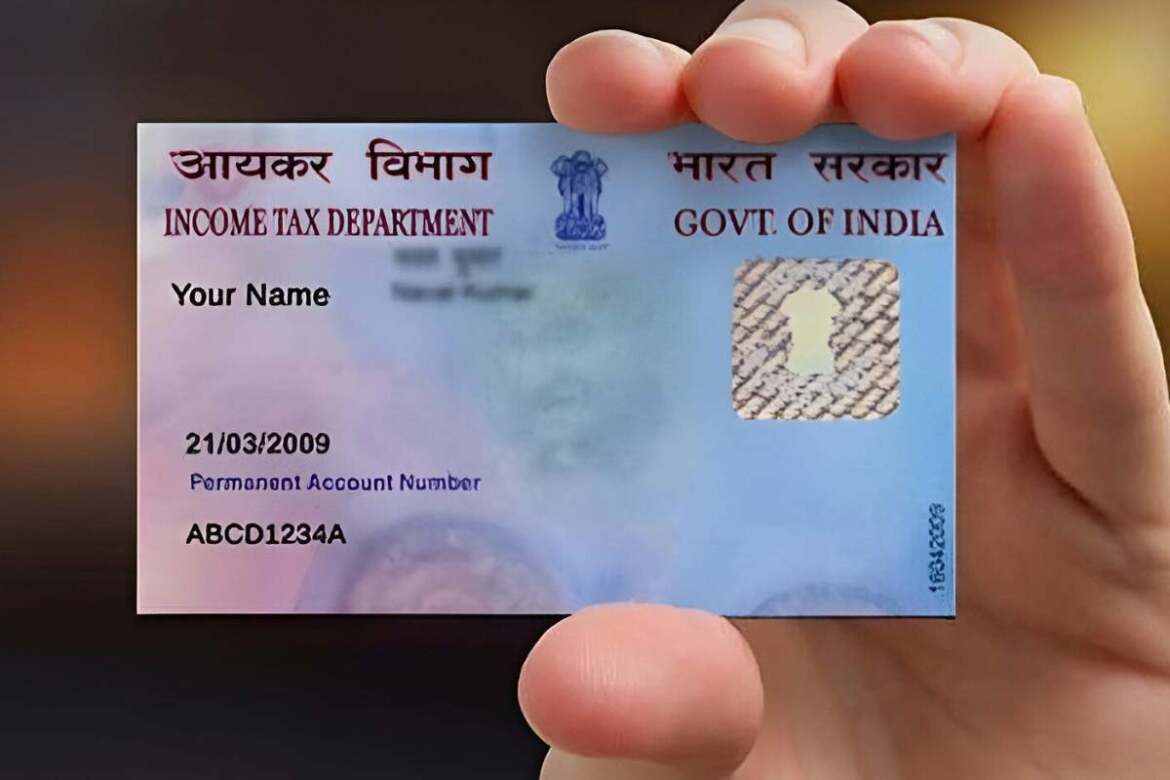
If you use a PAN Card regularly, this update is crucial. From April 1, 2026, new PAN Card rules under the proposed Income Tax framework are set to take effect. The government aims to simplify compliance while tightening oversight on high-value transactions.
Under the draft Income Tax Rules 2026 introduced by the government led by Narendra Modi, several important changes related to PAN usage have been proposed. These updates are expected to impact banking, property deals, vehicle purchases, insurance policies, and cash transactions.
The goal? Reduce everyday compliance burden while improving monitoring of large transactions.
Let’s break down what’s changing and why it matters.
Why Are PAN Card Rules Changing in 2026?
The government’s broader tax reform strategy focuses on making the income tax system more streamlined, digital, and data-driven.
Focus on High-Value Transactions
Earlier rules required PAN disclosure even for relatively smaller transactions. The new approach shifts attention toward large financial activities, rather than routine daily spending.
This helps:
- Reduce unnecessary paperwork for citizens
- Lower compliance pressure on small businesses
- Improve tracking of significant financial movements
In short, fewer hassles for small transactions — tighter checks for bigger ones.
Making Tax Administration Smarter
Authorities are increasingly relying on digital analytics and financial intelligence systems to detect tax evasion.
By revising PAN limits, the government aims to:
- Improve data accuracy
- Reduce duplication of records
- Strengthen anti-black money efforts
- Align compliance with actual risk levels
This signals a shift toward risk-based tax monitoring rather than blanket reporting.
New PAN Rules for Cash Deposits and Withdrawals
One of the biggest changes relates to cash transactions.
Higher Annual Limit for Mandatory PAN
From April 1, 2026:
- PAN will be mandatory only if total cash deposits or withdrawals exceed ₹10 lakh in a financial year.
Currently, under existing income tax reporting norms, PAN is required for:
- Cash deposits above ₹50,000 in a single day in a bank or post office.
This means small traders, shop owners, and individuals making routine deposits will see significant relief.
Daily pressure to submit PAN details for smaller deposits will be removed.
Who Benefits Most?
The revised limit will especially help:
- Small businesses operating in semi-urban and rural areas
- Individuals handling moderate cash flow
- Senior citizens dependent on cash transactions
However, large annual cash users crossing ₹10 lakh will still require PAN reporting, ensuring transparency.
PAN Card Rules for Vehicle Purchases
Vehicle buyers will also see notable changes.
New ₹5 Lakh Threshold
From April 1, 2026:
- PAN will be mandatory only for purchasing vehicles priced above ₹5 lakh.
Under current norms:
- Two-wheelers typically do not require PAN.
- Four-wheelers often require PAN regardless of price.
This change introduces a value-based threshold instead of a vehicle-type rule.
Relief for Budget Buyers
If you are purchasing:
- A small car below ₹5 lakh
- An entry-level motorcycle
- A low-cost utility vehicle
You may not need to provide PAN details.
This simplifies paperwork for middle-class and first-time buyers.
However, premium vehicle purchases will continue to be closely monitored.
Property Transactions: Increased PAN Limit
Real estate transactions are another major area of reform.
New ₹20 Lakh Rule
From April 1, 2026:
- PAN will be mandatory only if property value exceeds ₹20 lakh.
Earlier, the limit was ₹10 lakh.
This doubling of the threshold is significant.
Impact on Smaller Cities and Towns
In many Tier-2 and Tier-3 cities, property prices fall between ₹10–20 lakh.
Under the new rule:
- Smaller property deals may proceed with less documentation burden.
- Middle-income buyers could benefit from easier compliance.
However, high-value property deals will still require PAN disclosure, helping authorities track capital gains and stamp duty compliance.
The intent is to ease smaller transactions while keeping large investments transparent.
PAN Card and Insurance Policy Changes
Insurance rules are also evolving.
Account-Based Relationship Requirement
Earlier, PAN was mandatory if:
- Annual life insurance premium exceeded ₹50,000.
Under the proposed framework:
- If you enter into an account-based relationship with an insurance company, PAN may be required regardless of premium amount.
An account-based relationship creates a long-term financial profile, similar to a bank account structure.
Why This Change Matters
This reform aligns insurance reporting with:
- Financial transparency standards
- Anti-money laundering norms
- Permanent customer identification systems
While small premium holders may face additional documentation in some cases, the change supports stronger compliance monitoring.
How These PAN Card Changes Affect Daily Life
The most noticeable difference for many citizens will be reduced day-to-day PAN submission requirements.
Everyday Financial Relief
You may no longer need PAN for:
- Small daily bank deposits
- Affordable vehicle purchases
- Lower-value property deals
This reduces stress and repetitive documentation.
Increased Scrutiny for Large Transactions
At the same time, high-value financial activities will remain under close watch.
Authorities aim to ensure:
- Tax evasion is minimized
- Large cash movements are traceable
- Financial systems remain transparent
This dual strategy balances convenience with compliance.
Are These PAN Changes Final?
The Income Tax Rules 2026 are currently in draft form and subject to formal notification and implementation processes.
Before April 1, 2026:
- Stakeholder consultations may occur
- Clarifications could be issued
- Thresholds might be fine-tuned
Therefore, taxpayers should monitor official notifications from the Income Tax Department for confirmation.
What Should You Do Now?
Although the rules take effect in 2026, preparation helps.
Stay Updated
- Follow official government releases.
- Verify information from trusted financial news sources.
- Avoid relying on unverified social media forwards.
Maintain Proper Records
Even if PAN is not required for smaller transactions, maintaining:
- Bank statements
- Property documents
- Insurance receipts
is always advisable for tax filing and future audits.
Final Thoughts: Simpler Compliance, Smarter Oversight
The proposed PAN Card reforms reflect a modern tax philosophy.
Instead of scrutinizing every small transaction, the government is shifting toward monitoring large, risk-prone financial activities.
For ordinary citizens, this means less paperwork. For high-value transactions, accountability remains strong.
If implemented as proposed, the PAN Card Rules 2026 could mark a significant step toward a more efficient and digitally aligned tax ecosystem in India.
As April 1, 2026 approaches, staying informed will ensure you remain compliant without unnecessary stress.
Related posts:
 Understanding ECI’s Special Intensive Revision SIR for Voter Lists in 12 Regions
 Bengaluru Woman Loses ₹31.83 Crore in Horrific “Digital Arrest” Scam
 Kavach Train Protection System Transforms Safety on North Eastern Railway
 India’s New E-Passport: Safer, Smarter, and Faster Travel for All
 Fixing PAN Card Name Mismatch: A Simple Guide for 2025
 Top 10 Technologies for 2026 Shaping India’s Future Jobs
 RBI Tightens Aadhaar OTP KYC Rules to Curb Bank Fraud
 CGHS OPD Fees Clarified, Ayush Bima Launched for Beneficiaries
 Maharashtra Launches Bhu-Aadhaar to Modernise Farm Land Records System
 DIGIPIN India Digital Address System Explained, Benefits, How To Find