A Quiet Change with Big Meaning
NASA has quietly introduced a change that may seem small but carries strong symbolic value. For upcoming missions, astronauts traveling to orbit and even toward the Moon will be allowed to carry modern smartphones, including iPhones, with them. The update signals a shift in how space agencies view personal technology in extreme environments.
Official Confirmation from NASA
The development was confirmed by NASA Administrator Jared Isaacman, who said astronauts flying on the Crew-12 mission and the Artemis II lunar mission will be permitted to take smartphones into space. This marks a clear departure from NASA’s long-standing cautious approach, where personal electronic devices were largely restricted onboard spacecraft.
Why Smartphones Were Limited Earlier
Traditionally, NASA tightly controlled what astronauts could carry into space. Concerns ranged from safety and interference with spacecraft systems to durability in microgravity. While astronauts were allowed to use approved cameras and mission-specific devices, personal smartphones were mostly off-limits for extended use.
This conservative policy ensured mission reliability, but it also limited personal communication and documentation options for astronauts.
Apple’s iPhone Gets Space Approval
Apple has confirmed that this will be the first time an iPhone is approved for extended use in space missions. While NASA has not yet revealed which iPhone models qualify, the approval itself reflects confidence in modern smartphone engineering. These devices already meet strict standards for durability, security, and performance, which likely contributed to NASA’s decision.
What This Means for Astronauts
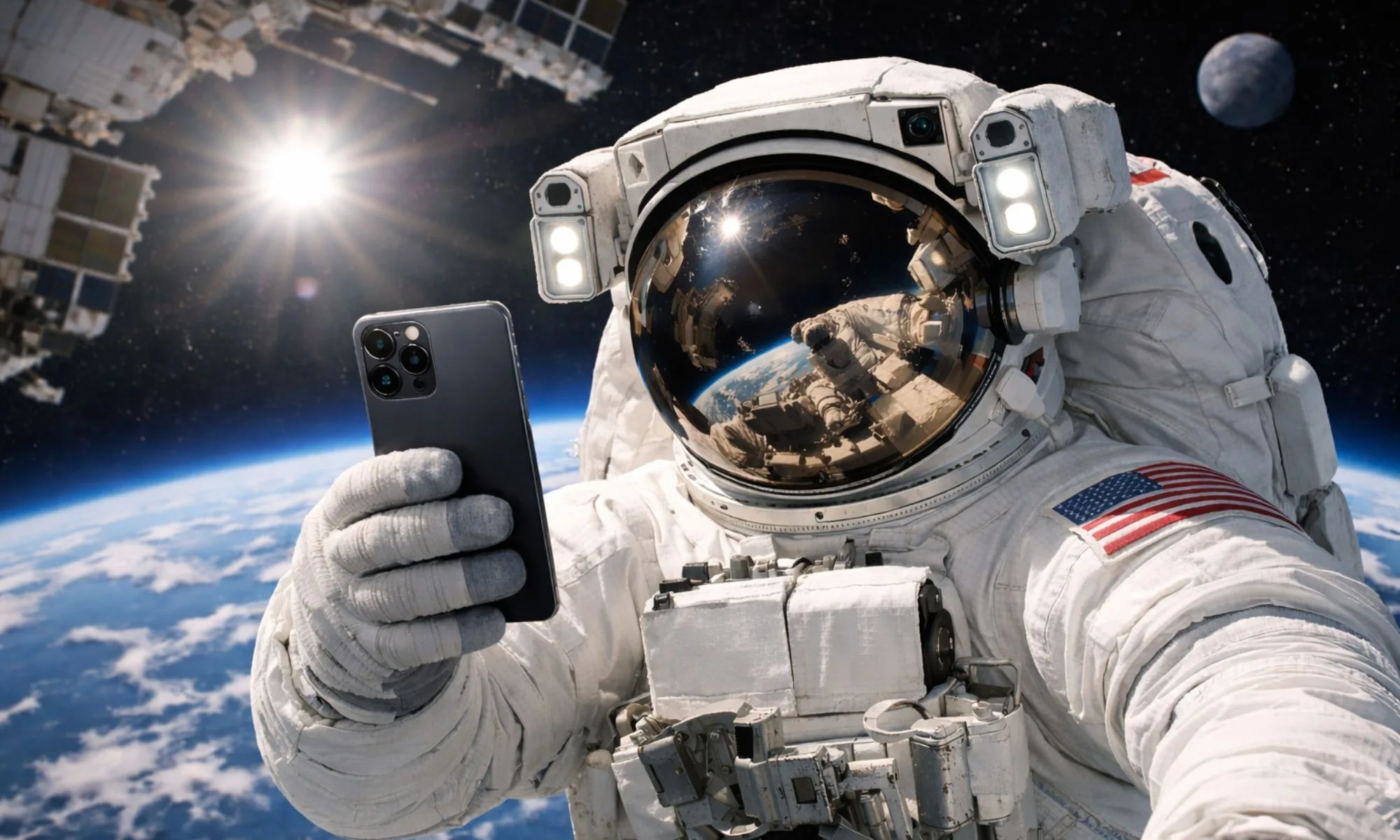
Allowing smartphones onboard gives astronauts a more personal way to stay connected. They will be able to capture photos, record videos, and share experiences more easily with their families and the public. This also opens new possibilities for real-time storytelling from space, making missions more relatable for people on Earth.
Smartphones may also help astronauts document daily life in space in a more natural and informal way than traditional equipment.
A Shift in NASA’s Culture
This policy change reflects a broader evolution at NASA. Space missions are no longer just about exploration and data collection; they are also about public engagement and transparency. As missions like Artemis aim to inspire a new generation, allowing astronauts to use familiar technology helps bridge the emotional distance between space and Earth.
It also shows how far consumer technology has advanced, becoming reliable enough for use in one of the harshest environments known.
Looking Ahead to Artemis and Beyond
With the Artemis II mission preparing to send astronauts around the Moon, the presence of smartphones adds a human touch to historic journeys. Future deep-space missions may further integrate everyday technology, blending professional equipment with personal tools.
A Small Device, A Big Statement
While carrying an iPhone into space may not change mission outcomes, it changes how space travel feels. This decision highlights NASA’s growing trust in modern technology and its desire to make space exploration more human, connected, and accessible.
As space agencies prepare for longer missions, small changes like this could make a big difference in how astronauts experience life beyond Earth.
Related posts:
 AI-Powered Academic Discovery Transforms Research Literature Review Efficiency
 Seven New Frog-Shaped Leafhoppers Discovered in Uganda Rainforest by Scientist
 Magnetic Microrobots: Precise Drug Delivery to Treat Stroke, Cancer, Infections
 How Dogs Sense Human Fear Through Smell, According to Science
 ISRO’s LVM3-M6 Christmas Eve Launch Boosts India’s Space Ambitions
 India Successfully Tests Pralay Missile in Key DRDO User Trial
 India Reaffirms 500GW Renewable Energy Target and Net Zero Goals
 Elon Musk Says Human Death Solvable, Sparks Longevity Science Debate
 Rare S4 Solar Radiation Storm Triggers Stunning Auroras Across Earth
 NASA Moon Rocket Fueling Test Brings Historic Lunar Mission Closer