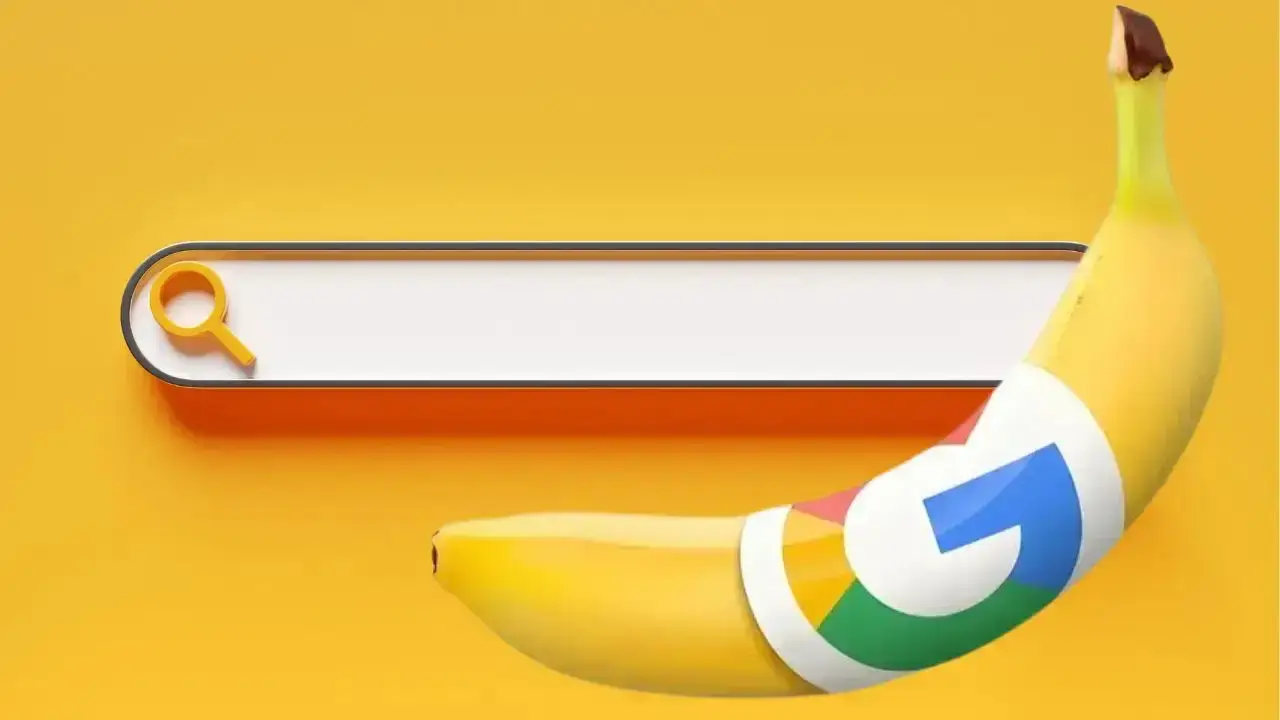
The race in artificial intelligence is no longer just about chatbots. It is now about who can create the most realistic images at lightning speed. With the launch of Nano Banana 2, Google has made a bold move in the AI image generation space.
Unveiled on February 26, Nano Banana 2 is the latest upgrade to Google’s viral image model. It now becomes the default visual generation engine inside the Gemini app across Fast, Thinking and Pro modes. But this is not just another update. It signals a deeper shift in how AI-generated visuals will be used in business, education and everyday creativity especially in fast-growing digital markets like India.
Why Nano Banana 2 Is a Big Leap in AI Image Generation
Smarter Images Powered by Real-Time Web Knowledge
What makes Nano Banana 2 stand out is that it uses Gemini’s understanding of the world combined with real-time web search data. This means the model does not just generate “generic” images. It reflects current trends, real-world objects and accurate context.
For example, if a user in Mumbai asks for a Ganesh Chaturthi-themed poster with modern eco-friendly decor trends, the model can incorporate updated visual cues from recent web information. That makes the output more relevant and realistic.
This shift from static AI training to real-time contextual intelligence is a major breakthrough.
Faster Creation Without Losing Quality
Google claims Nano Banana 2 keeps many of the high-fidelity features of its Pro version while generating images much faster. In practical terms, that means sharper detail, richer textures and vibrant lighting—without long waiting times.
For Indian creators working under tight deadlines, such as social media managers handling festival campaigns, this speed advantage can make a real difference. Instead of outsourcing or waiting hours for drafts, they can generate multiple versions in minutes.
From 512px to 4K: Production-Ready Visual Assets
One of the most practical upgrades is resolution flexibility. Users can create images ranging from 512px to full 4K resolution, in multiple aspect ratios.
This matters because content today lives everywhere—Instagram reels, YouTube thumbnails, e-commerce banners, billboards and even OTT promotions. With Nano Banana 2, creators can directly generate production-ready visuals rather than resizing low-quality images later.
For Indian startups and small businesses, this reduces design costs and speeds up marketing execution.
How Nano Banana 2 Enhances Creativity for Real Users
Advanced Text Rendering and Translation
Earlier AI image tools often struggled with legible text. Letters looked distorted or meaningless. Nano Banana 2 addresses this with improved text rendering.
Users can now create marketing mockups, greeting cards or event posters with clear, readable text. Even more importantly, the model can translate and localise text within images.
Imagine a Bengaluru-based startup launching a product nationwide. They can generate the same visual campaign in Hindi, Tamil, Bengali and Marathi without redesigning from scratch.
This multilingual capability is especially powerful in a country as diverse as India.
Better Understanding of Complex Instructions
AI image tools often misinterpret detailed prompts. Nano Banana 2 reportedly improves “complex instruction following,” meaning it sticks more closely to user intent.
If a teacher asks for an educational infographic showing the solar system with labeled planets in a child-friendly art style and a saffron-white-green theme for Independence Day, the model can reason through that complexity before rendering.
Google also introduced configurable thinking levels. Users can adjust how deeply the model “reasons” before generating the final image. This is particularly useful for designers who want precision rather than random creativity.
The Journey So Far: From Viral Hit to AI Powerhouse
When Google first rolled out Nano Banana in August last year, it quickly went viral. By mid-October, the model had generated over five billion images.
That level of adoption shows how hungry users are for accessible AI creativity tools.
The release of Nano Banana Pro in November further expanded high-quality capabilities. Now, with Nano Banana 2, Google appears to be merging speed and sophistication into a single default experience.
For a company like Google, this move strengthens its ecosystem by deeply integrating AI visual tools into search, ads, cloud and mobile apps.
Where You Can Use Nano Banana 2
Inside the Gemini App
Nano Banana 2 replaces the previous Pro version across Fast, Thinking and Pro modes in the Gemini app.
This integration simplifies the user experience. Whether you want quick drafts or detailed creative output, the same engine powers all modes.
In Google Search and Lens
The model is also available via AI Mode and Lens in the Google app across 141 new countries and territories in eight additional languages.
For Indian users, this means generating visuals directly from mobile search. A small retailer in Jaipur could search for “winter sale banner ideas” and immediately create customised promotional visuals.
Through Google Cloud and Ads
Nano Banana 2 is available in preview via the Gemini API in Vertex AI on Google Cloud. This opens doors for developers and enterprises.
It is also integrated into Google Ads, helping marketers generate creative suggestions while building campaigns.
For India’s booming digital advertising sector, this is significant. Agencies can now test multiple creative versions instantly instead of waiting days for manual design iterations.
Why Nano Banana 2 Matters for India
India is one of the fastest-growing digital markets in the world. Millions of small businesses are going online, and regional content consumption is exploding.
AI tools like Nano Banana 2 lower the entry barrier for professional-quality visuals. A home-based entrepreneur selling handmade jewellery on Instagram no longer needs expensive design software or large creative teams.
At the same time, there are deeper implications.
Democratisation of Design
In the past, high-quality design required technical skill and expensive tools. Now, natural language prompts are enough.
This democratises creativity but also raises questions. Will designers lose jobs? Or will they shift toward higher-level creative direction?
In India, where freelance and gig-based creative work is common, the likely outcome is transformation rather than elimination. Designers may increasingly use AI tools to speed up drafts and focus on strategic storytelling.
Real-Time, Localised Visual Culture
Because Nano Banana 2 draws from real-time web data, it can reflect current fashion, architecture and cultural references.
This could reshape how brands approach hyperlocal marketing in India. A campaign for Durga Puja in Kolkata can look different from one for Onam in Kerala—generated within minutes.
The ability to instantly localise visuals could redefine regional marketing strategies.
The Bigger AI Battle
Google’s aggressive push into AI image generation also reflects competition in the broader AI ecosystem. Visual AI is no longer experimental. It is becoming embedded in search, cloud services and advertising platforms.
By making Nano Banana 2 the default inside Gemini, Google ensures users remain within its ecosystem rather than turning to standalone image generators.
For India, where Android dominates smartphones, this integration could accelerate mass adoption quickly.
Final Thoughts: A Creative Revolution in Motion
Nano Banana 2 is not just an incremental upgrade. It represents the convergence of real-time knowledge, high-speed processing and production-ready output in one accessible tool.
For Indian students, entrepreneurs, marketers and creators, the opportunity is enormous.
The real power of Nano Banana 2 lies not just in generating beautiful images, but in making high-quality visual communication accessible to millions.
As AI continues to evolve, the question is no longer whether machines can create art. The real question is how humans will use these tools responsibly and creatively.
In that sense, Nano Banana 2 is not the final destination. It is the beginning of a new visual era.
Related posts:
 What Happens to Your Brain When Smartwatch AI Lives on Your Wrist
 Perplexity Strengthens Comet Assistant with Smarter Safeguards and Control
 CERT-In Urges Apple Users to Update Devices to Prevent Hacks
 India Gears Up for Deep-Sea Breakthrough With Matsya-6000 Submersible
 New VoxeLite Finger Wearable Brings Realistic Digital Touch Technology
 Banking Connect Boosts Real-Time Monitoring and Transforms India’s Bill Payments
 India Introduces New Mandatory SIM Rule for Messaging Apps Nationwide
 NASA Artemis II Mission 2026: Humanity’s Moon-Fly Opportunity
 Apple iOS 26.2 Update Brings Alarms, Lock Screen Changes
 Google Dark Web Report Shutdown 2026: What Users Need Know