
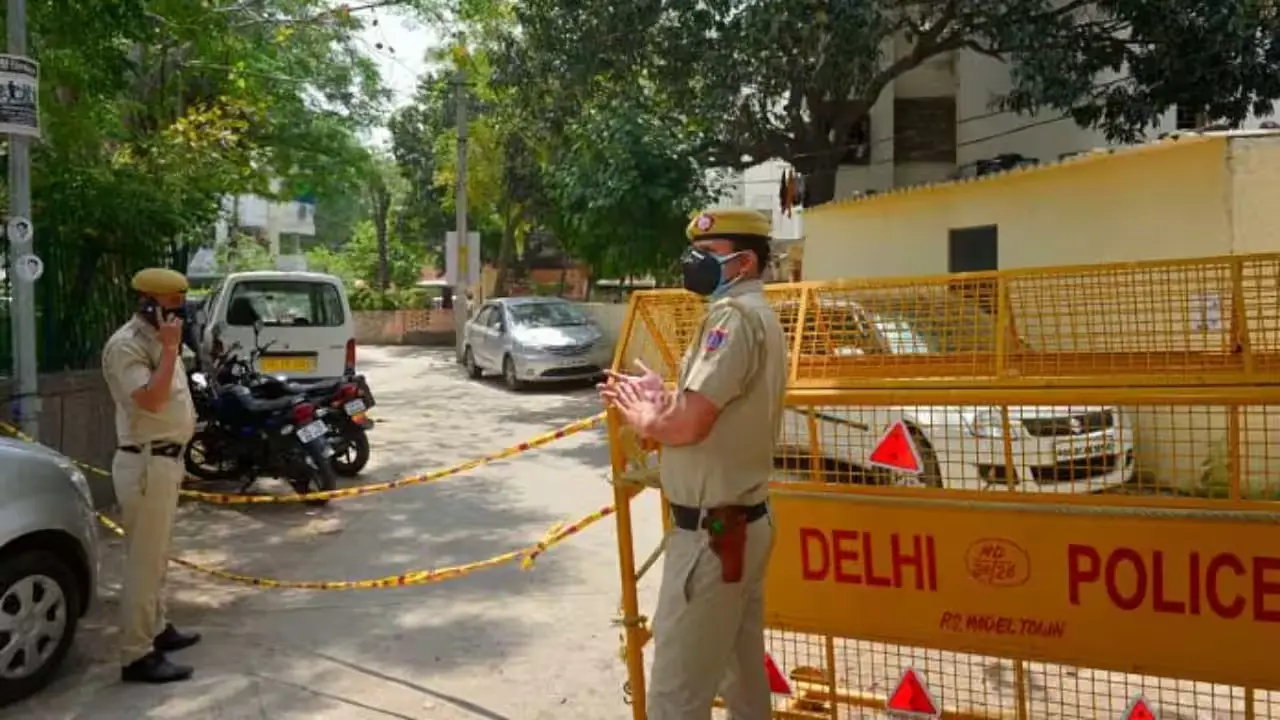
In a swift intelligence-led operation, Indian security agencies have arrested eight individuals over an alleged terror plot with suspected links to Pakistan’s Inter-Services Intelligence (ISI) and Bangladesh-based extremist outfits. Six of the arrests were made in Tamil Nadu’s Tiruppur region, a major textile and garment hub, while additional detentions followed from connected investigative leads.
The case, now being handled at the national level, underlines a serious concern for India’s internal security. Authorities say the investigation began with suspicious online activity supporting Pakistan-based terror organisations, triggering digital surveillance and ground action.
All accused are being brought to Delhi for further interrogation as agencies examine possible reconnaissance efforts and cross-border handler involvement.
How the Terror Plot Was Detected
Suspicious Online Activity Triggered Alerts
According to officials, the case originated from digital monitoring systems that flagged suspicious online behaviour. Certain individuals were allegedly sharing or interacting with content linked to banned Pakistan-based terror groups.
In the modern security landscape, digital footprints often provide the first clues.
Encrypted messaging platforms, anonymous social media accounts and hidden digital forums have become common tools for extremist networks. In this instance, timely intelligence analysis appears to have prevented a potentially serious threat.
The operation highlights how cyber vigilance has become the first line of defence in counter-terrorism.
Intelligence Coordination Across States
After the initial red flags, intelligence units coordinated with state police forces. Surveillance and technical tracking led investigators to Tiruppur in Tamil Nadu.
Tiruppur is known for its garment manufacturing sector, employing thousands of migrant workers. Officials suspect the accused used employment as cover while maintaining clandestine links.
The arrests were executed swiftly to prevent destruction of evidence or escape attempts.
Forged Aadhaar and Identity Concealment
Fake Documentation to Blend In
Investigators allege that the accused used forged Aadhaar cards to conceal their true identities.
India’s Aadhaar system is designed as a biometric identification framework. However, like any system, it can be misused if forged documents or manipulated credentials are introduced.
Using fake identity documents allows suspects to secure employment, open bank accounts and purchase SIM cards without raising suspicion.
This case underscores the need for stricter verification processes, particularly in sectors employing migrant labour at scale.
Seizure of Mobile Phones and SIM Cards
During the crackdown, authorities seized multiple mobile phones and SIM cards.
These devices are now under forensic examination.
Security agencies typically analyse call records, encrypted chats, browsing history and geolocation data to establish communication patterns.
If cross-border handlers were involved, digital evidence may reveal coordination timelines and operational instructions.
Alleged Targets and Reconnaissance Concerns
Religious and Tourist Sites on Radar
Intelligence alerts reportedly flagged possible threats to religious and tourist sites in Delhi and Uttar Pradesh, including prominent temples.
Such locations are often targeted because of their symbolic importance and high footfall.
An attack on a religious site could trigger social unrest and international attention.
From India’s standpoint, preventing such incidents is critical to maintaining communal harmony and national stability.
Was Reconnaissance Conducted?
Agencies are examining whether any of the accused conducted reconnaissance.
Reconnaissance typically involves photographing entry and exit points, studying security arrangements or mapping crowd movement patterns.
Even preliminary surveillance by suspects can provide valuable intelligence to external handlers.
Authorities are therefore analysing travel history and digital images stored on seized devices.
Cross-Border Networks and External Influence
Alleged ISI Links Under Probe
The suspected involvement of Pakistan’s ISI adds a geopolitical dimension to the case.
India has long accused external agencies of sponsoring destabilisation efforts.
While investigations are ongoing, any confirmed linkage would further strain bilateral relations and reinforce India’s position on cross-border terrorism.
Bangladesh-Based Outfit Connections
The mention of Bangladesh-based extremist outfits indicates that terror networks may be attempting multi-country coordination.
South Asia’s porous borders and complex migration patterns can be exploited by organised groups.
This underscores the importance of regional intelligence-sharing and border management cooperation.
India’s Digital Security Challenge
Exploitation of Online Platforms
Terror networks increasingly rely on digital tools.
Recruitment, propaganda dissemination, fund transfers and operational instructions are often executed online.
Encrypted messaging applications and dark web forums create layers of anonymity.
This case reflects a broader trend where radicalisation and coordination may occur without physical contact.
Strengthening Cyber Surveillance and Legal Frameworks
India has invested in cyber intelligence units and technical monitoring capabilities.
However, balancing security with privacy rights remains a sensitive issue.
Legal provisions must allow agencies to act swiftly while safeguarding civil liberties.
The Tiruppur arrests demonstrate that proactive monitoring can disrupt threats before they materialise.
The Importance of Interrogation and Follow-Up
Bringing Accused to Delhi
All accused are being transferred to Delhi for further interrogation.
Centralised questioning allows coordination between intelligence, counter-terror and forensic teams.
Interrogation aims to uncover funding channels, handler identities and potential sleeper cells.
Preventing Network Regeneration
Terror networks often operate in small modular cells.
Even if one group is dismantled, others may remain active.
Therefore, investigations focus not only on the individuals arrested but also on mapping broader associations.
The objective is complete network disruption rather than partial neutralisation.
Broader Implications for India
Protecting Economic Hubs
The fact that suspects allegedly operated from a major industrial centre like Tiruppur raises concerns about urban economic zones being exploited as cover.
Factories and labour-intensive industries must strengthen identity verification processes.
Security awareness training for employers can also help detect suspicious behaviour early.
Safeguarding Communal Harmony
Targeting religious sites can inflame tensions.
India’s social fabric is diverse and sensitive.
Swift preventive action prevents attempts to provoke division.
By foiling potential plots, agencies help preserve not just physical safety but also societal stability.
A Wake-Up Call on Identity and Digital Monitoring
This case highlights two major vulnerabilities.
First, the misuse of forged Aadhaar documentation to conceal identities.
Second, the exploitation of digital platforms for coordination.
Addressing these challenges requires technological upgrades, stronger verification systems and public awareness.
Employers, telecom providers and local authorities all play roles in early detection.
Conclusion
The arrest of eight individuals in connection with an alleged ISI-linked terror plot is a significant development in India’s ongoing counter-terror efforts.
It demonstrates the power of intelligence-led policing and digital monitoring.
While investigations continue, the episode serves as a reminder that external networks may attempt to exploit digital tools and forged identities to destabilise India.
Swift action has likely prevented a potential security crisis.
From an Indian perspective, the focus must now remain on strengthening cyber surveillance, tightening identity verification and enhancing inter-agency coordination.
Security in the 21st century demands vigilance not only at borders but also in cyberspace and within local communities.
The Tiruppur crackdown is a clear example that proactive intelligence, combined with decisive enforcement, can protect the nation from hidden threats before they escalate.
Related posts:
 Trump Warns NATO Exit Over Greenland Deal and Security Concerns
 PM Modi Launches Kaziranga Corridor, Amrit Bharat Trains in Assam
 United States Completes Historic Withdrawal From World Health Organization WHO
 Diplomatic Tensions Rise After Sheikh Hasina’s Recorded Delhi Message
 Save Manipur Rally Shows Unity Against Division, Demands Peace, Resettlement
 Myanmar Earthquake Shakes Kolkata, Tremors Felt Across Eastern India
 SSB Clears No Man’s Land Encroachment Along India Nepal Border
 Tragic Noida and Delhi Pit Accidents Safety Negligence Claims Lives
 Bangladesh Rushes Secret US Trade Deal Ahead of Crucial Elections
 European Legal Gateway Office Opens New Doors