Indian Railways Tightens Identity Verification for Border Routes
Indian Railways has introduced a stricter identity proof verification rule for passengers travelling on reserved train journeys in international border areas. This decision, announced by the Ministry of Railways, applies to routes serving regions close to Nepal and Bangladesh. The move is aimed at strengthening passenger security and preventing misuse of reserved tickets, especially in sensitive border zones.
According to railway officials, the new rule is part of a broader effort to improve safety, ensure genuine travel, and maintain accurate passenger records on cross-border and border-adjacent rail routes.
What the New Railway Board Order Says
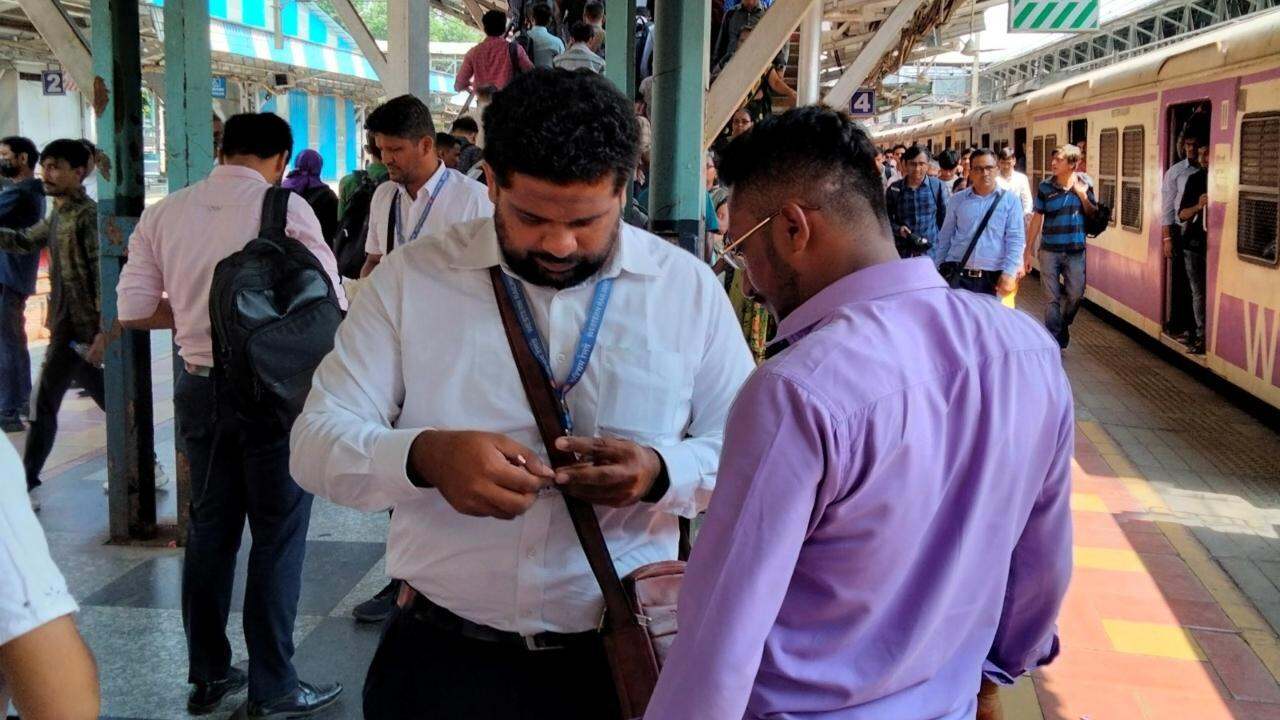
In a letter dated February 4, 2026, the Railway Board instructed all zonal railways to strictly enforce identity verification during reserved class travel in these border areas. As per the order, at least one passenger in a reserved ticket booking must carry and produce an original, prescribed identity proof when asked by railway staff.
If no valid ID is produced, all passengers travelling on that ticket will be treated as travelling without a valid ticket. This can lead to penalties under Indian Railways rules, including fines or further legal action, depending on the situation.
Which Identity Proofs Are Accepted
Indian Railways already has a list of accepted identity documents for reserved travel. These include Aadhaar card, voter ID, passport, driving licence, PAN card, government-issued photo ID cards, and student identity cards for eligible passengers. The emphasis in the new rule is on original documents, not photocopies or digital screenshots, unless specifically permitted.
Railway officials have clarified that this practice aligns with existing verification norms, but enforcement will now be much stricter on border routes due to security concerns.
Rules for Concession and Quota Passengers
The Railway Board has also highlighted the importance of identity verification for passengers who travel using concessions or special reservation quotas. These include categories such as senior citizens, students, persons with disabilities, defence personnel, and other earmarked groups.
Passengers availing such benefits must produce valid proof to establish the genuineness of their claim. Failure to do so may result in cancellation of the concession or quota benefit, and the passenger may be charged the full fare or penalised under railway rules.
Why Border Area Trains Need Extra Security
Border areas are considered sensitive due to issues like illegal travel, ticket misuse, and security risks. Indian Railways officials say that strict ID verification helps ensure that only genuine passengers are travelling and that reservations are not being misused by unauthorised individuals.
With increasing passenger volumes and improved connectivity to border regions, the government believes that tighter checks will help maintain safety without causing major inconvenience to regular travellers.
What Passengers Should Keep in Mind
Passengers travelling on reserved trains near the Nepal and Bangladesh borders are advised to carry their original identity proof throughout the journey. Even if only one passenger’s ID is required per ticket, it is safer for all travellers to keep valid documents to avoid trouble during inspections.
Railways also recommend checking ticket details and concession eligibility before travel to ensure a smooth journey under the new rules.
A Step Towards Safer Rail Travel
The compulsory ID verification rule reflects Indian Railways’ focus on security, transparency, and accountability. While the change may seem strict, it is designed to protect passengers and ensure that reserved train services in sensitive border areas operate safely and smoothly. As enforcement begins, awareness and preparedness will help passengers avoid penalties and enjoy hassle-free travel.
Related posts:
 Understanding ECI’s Special Intensive Revision SIR for Voter Lists in 12 Regions
 Bengaluru Woman Loses ₹31.83 Crore in Horrific “Digital Arrest” Scam
 Kavach Train Protection System Transforms Safety on North Eastern Railway
 India’s New E-Passport: Safer, Smarter, and Faster Travel for All
 Fixing PAN Card Name Mismatch: A Simple Guide for 2025
 Top 10 Technologies for 2026 Shaping India’s Future Jobs
 RBI Tightens Aadhaar OTP KYC Rules to Curb Bank Fraud
 CGHS OPD Fees Clarified, Ayush Bima Launched for Beneficiaries
 Maharashtra Launches Bhu-Aadhaar to Modernise Farm Land Records System
 Indian Railways to Discontinue UTS App, Shift Users to RailOne