India-US Trade Framework Sparks Nationwide Farmer Protests
India’s newly announced India-US trade framework has triggered strong opposition from farm unions and political parties, who fear the agreement could hurt Indian farmers by opening the door to more imports from the United States. While the government has defended the deal by saying key agricultural staples are protected, critics argue that the lack of clarity and transparency could expose India’s farm sector to unfair competition. The issue has quickly become a major political flashpoint across the country.
Memories of Past Farm Protests Return
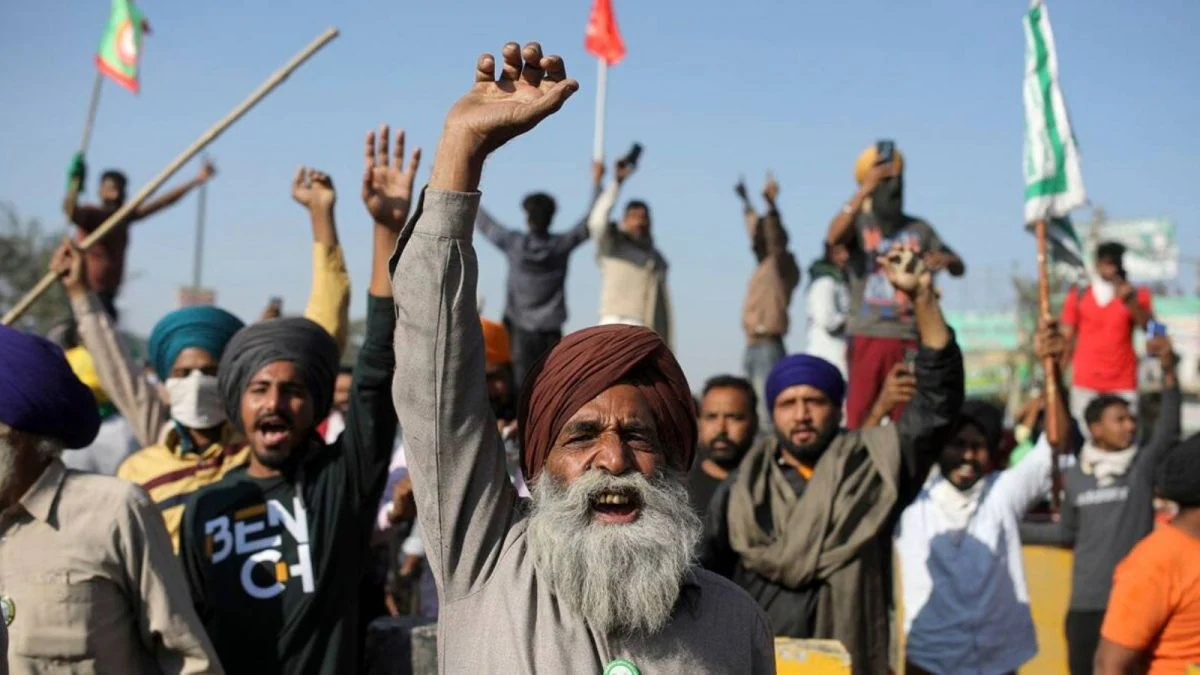
The controversy has revived memories of the 2020–21 farm law protests, when months of nationwide demonstrations forced the government to repeal three farm laws. Many farmer leaders believe the current trade framework could have similar long-term consequences for agriculture, especially if cheaper and subsidised U.S. farm products enter Indian markets. As a result, opposition to the agreement has been swift and vocal.
Government Defends the Trade Pact
The Indian government has strongly defended the India-US trade framework, stating that farmers’ interests have been safeguarded. According to official statements, imports of sensitive staples such as rice, wheat, corn, and dairy products are excluded from the agreement. The government has also highlighted potential benefits, saying Indian producers of basmati rice, fruits, spices, coffee, and tea could gain duty-free access to the U.S. market, opening new export opportunities.
Officials argue that the agreement could help Indian agriculture integrate better with global markets while protecting core food security interests.
Farmers Raise Concerns Over Unequal Competition
Despite government assurances, farm unions remain unconvinced. Rakesh Tikait, a prominent farmer leader, said Indian farmers are far more vulnerable than their American counterparts. He pointed out that U.S. farmers typically have larger landholdings and receive higher subsidies, while Indian farmers struggle with rising input costs, weak processing infrastructure, and frequent crop losses.
Farm leaders say these structural differences mean Indian farmers cannot compete on equal terms if imports from the U.S. increase.
SKM Calls for Nationwide Protests
The Samyukt Kisan Morcha (SKM), a coalition representing over 100 farmer organisations, has called for nationwide protests on February 12. According to SKM, the trade framework could allow subsidised U.S. agricultural products into India, which may depress domestic prices and reduce rural incomes.
SKM national secretary Purushottam Sharma warned that lower tariffs on products like crude soyoil, currently taxed at around 16.5%, could seriously hurt India’s domestic oilseed producers. He stated that farmers would not allow the farm sector to be opened up for large American companies at the cost of local livelihoods.
Apple Growers and Horticulture Sector Alarmed
Concerns are not limited to grain and oilseed farmers. Apple growers, especially from northern states, have also raised alarms. The Kashmir Valley Fruit Growers-cum-Dealers Union submitted a representation to Prime Minister Narendra Modi, highlighting that over 700,000 families depend on horticulture in major apple-producing regions.
The union has demanded import duties of more than 100% on U.S. apples, arguing that cheaper imports could devastate domestic growers who already face high production and transportation costs.
Opposition Slams Government Over Lack of Transparency
The opposition Congress party has launched a sharp attack on the government, calling the trade framework a “total surrender” of national and farmers’ interests. Party leaders have questioned why the government has not released detailed product lists and tariff lines, saying the absence of information fuels suspicion and fear among farmers.
Congress leader Pawan Khera warned that India could become a dumping ground for U.S. agricultural products. He cited comments by the U.S. Agriculture Secretary, who said the deal would boost American farm exports to India and support rural incomes in the U.S., raising concerns about whose interests the agreement truly serves.
Calls Grow for Greater Clarity
Farmer leaders across the country have urged the government to publicly share full details of the trade framework. They argue that without transparency, trust cannot be built, and fears of long-term damage to Indian agriculture will continue to grow.
Conclusion
The India-US trade framework has ignited a fresh debate over the future of Indian agriculture. While the government insists that farmers are protected and export opportunities will grow, farm unions and opposition parties remain deeply sceptical. With nationwide protests planned and political tensions rising, the coming weeks will be crucial in determining whether dialogue can ease concerns or whether India is headed toward another prolonged farmers’ movement.
Related posts:
 Homs Mosque Blast Highlights Rising Sectarian Violence in Post-Assad Syria
 PM Modi Concerned Over Alleged Attack on Putin Residence, Urges Diplomacy
 Maduro Praises Downing of Drug Aircraft Amid Rising US-Venezuela Tensions
 Indian Navy New Haldia Base Boosts Bay of Bengal Security
 Modi Merz Meet Strengthens India Germany Strategic Partnership With Key Agreements
 Iran Protester Execution Threat Sparks Global Concern Amid Crackdown Crisis
 Trump Warns NATO Exit Over Greenland Deal and Security Concerns
 PM Modi Launches Kaziranga Corridor, Amrit Bharat Trains in Assam
 United States Completes Historic Withdrawal From World Health Organization WHO
 Diplomatic Tensions Rise After Sheikh Hasina’s Recorded Delhi Message