Revisions in the India-US Trade Deal Factsheet: A Clearer Picture
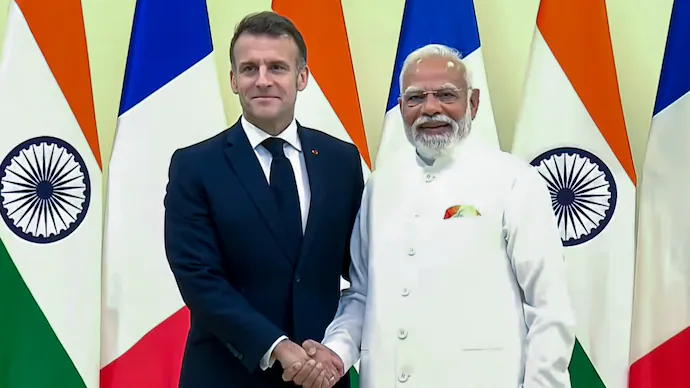
Recently, the White House quietly revised its factsheet on the interim India-US trade deal, making several important edits that have drawn significant attention from both governments, businesses, and media around the world. This development comes shortly after the India-US interim trade framework was announced following extensive talks between Indian Prime Minister Narendra Modi and US President Donald Trump. The updated factsheet softens some of the earlier language and removes references that were seen as contentious or premature, reflecting ongoing diplomatic calibration and a shared understanding between both nations.
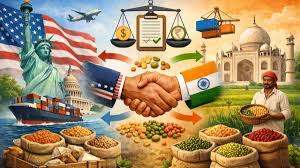
The trade agreement still not fully finalized aims to deepen economic cooperation between the world’s two largest democracies while providing market access and clarity for exporters and importers on both sides. However, the initial White House factsheet released to the public included terms and descriptions that were later adjusted to better match the joint statements agreed by both countries.
Why the Factsheet Was Edited: Key Changes Explained
One of the most noticeable revisions in the trade deal factsheet is the removal of any reference to “pulses” in the agricultural section. In the earlier version, pulses — an important staple crop for Indian farmers and consumers were listed among American agricultural products on which India would reduce or eliminate tariffs. Given that India is one of the world’s largest producers and consumers of pulses, this clause was politically sensitive and attracted immediate attention. The updated factsheet now omits pulses entirely from this list, indicating that tariff reductions on this category are not part of the current interim framework.
Another significant change involves the language used to describe India’s proposed purchasing plans from the United States. The original text stated that India was “committed” to buying $500 billion worth of American products — an ambitious figure covering energy, information and communication technology, coal and other goods. Critics of that phrasing argued it implied a binding obligation. In the revised factsheet, the word “committed” has been replaced with “intends,” making it a softer, more flexible statement about India’s future intentions rather than a legally binding pledge.
The updated doc also drops references to India removing its digital services taxes. The earlier version had said that India would remove these taxes and negotiate digital trade rules to address discriminatory or burdensome practices. The new version instead focuses only on India’s commitment to negotiate bilateral digital trade standards, without mentioning tax removal explicitly. It is notable that India had already abolished its 6% equalisation levy on digital advertising services effective from April 1, 2025, well before the interim trade framework was announced.
What the Interim Trade Framework Really Says
While the factsheet changes have prompted media discussion, it’s important to remember that both governments released a joint statement outlining the interim framework before the White House published its factsheet. In that joint statement, India and the US committed to work toward a reciprocal trade agreement that lowers tariffs and creates clearer pathways for market access on both sides.
The interim framework anticipates that the United States will reduce tariffs on many Indian products to about 18% from the previous 50% on certain categories such as textiles, garments, leather goods, and machinery. In return, India is expected to eliminate or reduce tariffs on a variety of American industrial and selected agricultural goods, but crucially the tariff removal details are subject to refinement.
The framework also discusses broader cooperation on digital trade standards, supply chain resilience, and export controls. Rather than codifying every detail into the initial factsheet, both sides have chosen to proceed with an interim understanding that will be fine-tuned as negotiations continue toward a full bilateral trade agreement.
Reactions from India and the United States
India’s Ministry of External Affairs (MEA) responded to the factsheet revisions by stating that these edits reflect the shared understandings agreed upon in the joint statement between Prime Minister Modi and President Trump. According to the MEA, the changes help align public documentation with what was actually negotiated, dispelling misunderstandings and addressing concerns from stakeholders in both countries.
Indian Commerce Minister Piyush Goyal also clarified that the $500 billion figure, now couched in terms of “intent,” is meant to express India’s growing demand for products in sectors where the United States is competitive rather than a strict quota that must be met. This clarification was in part to counter political criticism at home and reassure industry and farmer groups that tariff protections for sensitive sectors would be maintained.
From the US perspective, revising the factsheet was seen as a pragmatic step to ensure accuracy and diplomatic goodwill. Analysts have noted that disagreements over trade documentation are not unusual in complex negotiations and that this revision process shows both sides are actively engaging to find common ground.
Economic and Political Implications of the Changes
Economically, the removal of pulses from the tariff reduction list is significant because it safeguards a critical domestic agricultural market in India. Pulses are a major part of Indian diets and farm income, and keeping them insulated from sudden tariff changes reduces potential disruption for farmers. Politically, the softened language around the $500 billion purchase plan gives India greater flexibility in managing its external trade commitments while signalling openness to expanding commerce over time.
The omission of digital services tax removal from the document underscores that digital trade negotiations remain ongoing. While the issue of digital levies has been a contentious point in global trade discussions, both sides seem eager to resolve it through broader digital trade rules rather than unilateral concessions.
These adjustments suggest that while the interim trade deal framework is progressing, the finer details will be worked out in the coming weeks and months. They also reflect a mutual understanding that trade diplomacy requires careful wording to balance economic goals with domestic sensitivities in each country.
Looking Ahead: What Comes Next
The revised factsheet and ongoing discussions show that the India-US trade relationship is evolving in a manner that prioritises accuracy, mutual respect, and economic pragmatism. Both nations appear committed to finalising a comprehensive bilateral trade agreement, using the interim framework as a stepping stone toward that goal.
As negotiations continue, Indian exporters stand to benefit from lower US tariffs, while American companies look forward to expanded access into one of the world’s fastest-growing markets. The careful revision of this factsheet demonstrates that diplomacy and attention to detail matter just as much as headline figures and ambitious targets.
In the coming months, businesses, policymakers, and global markets will watch closely as the full India-US trade pact takes shape a deal that could reshape economic ties between these two major nations for years to come.
Related posts:
 SEBI Cautions Investors: Digital Gold Products Are Not Regulated Gold
 US Tech Giants Oppose India’s 6 GHz Spectrum for Mobile Use
 A320 Aircraft Issue Disrupts IndiGo and Air India Flight Operations
 Vi ₹1 Recharge Pack: Cheap SIM Activation for Light Users
 SEBI bans Avadhut Sathe’s academy, impounds Rs 546 cr for unregistered advisory — major blow to finfluencers
 Russia-Linked Investors Surge into Indian Markets via SEBI Registration
 Rajan Says Trump’s Ego, Not Oil, Caused 50% Tariff On India
 USTR Urges US Firms to Follow ‘America First’ Investment Strategy
 Flipkart Gets NCLT Nod To Shift Base, Eyes India IPO
 World Bank Approves $700 Million Boost for Pakistan’s Economic Stability