India vs Pakistan T20 World Cup Clash Back On Track
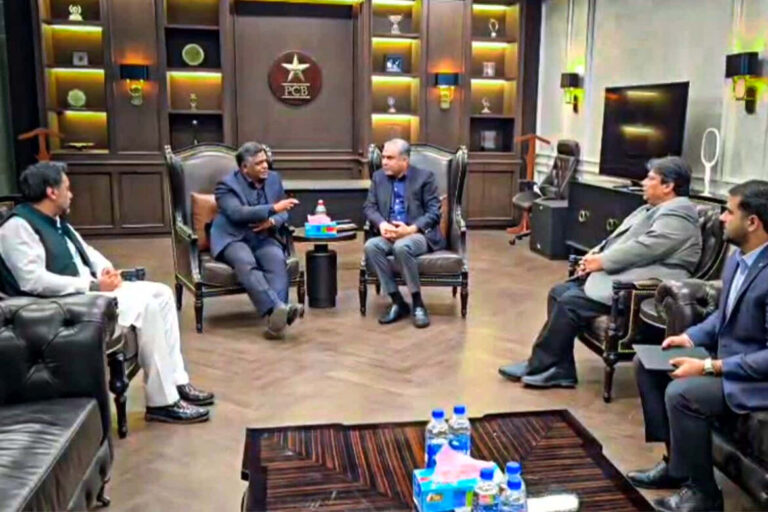
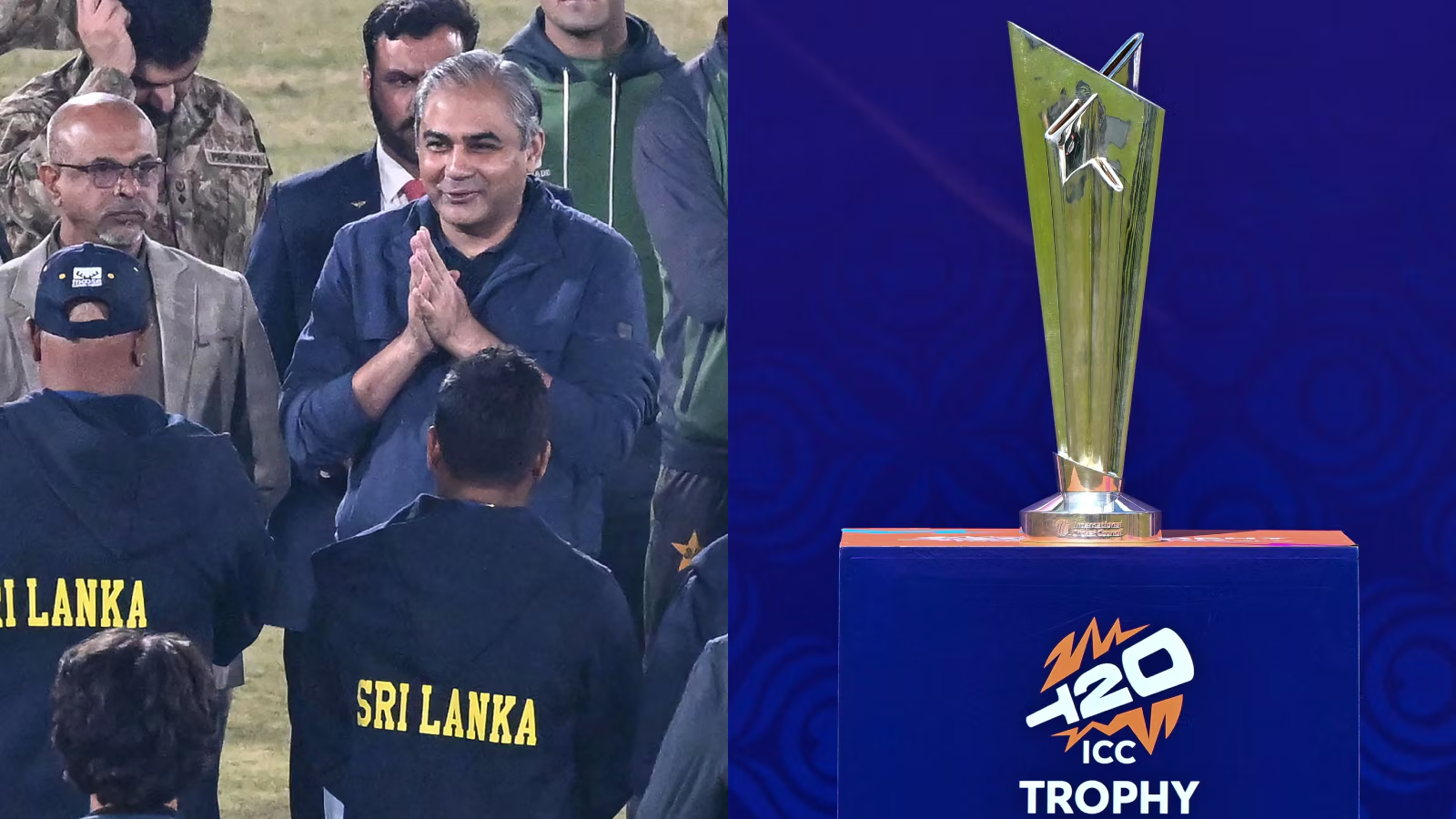
In a dramatic turn of events, the highly anticipated India-Pakistan T20 World Cup 2026 match is now set to go ahead as scheduled on February 15 in Colombo after Pakistan’s government withdrew its call to boycott the game. For days, cricket fans around the world watched nervously as uncertainty surrounded this marquee fixture, but a resolution has finally emerged following talks involving the Pakistan Cricket Board (PCB), the International Cricket Council (ICC), and friendly cricket boards.
The fixture between India and Pakistan is one of the most watched in global cricket, drawing massive viewership and commercial value. Analysts say canceling it would have not only disappointed fans but also jeopardized important broadcast deals and tournament revenue worldwide.
Why Boycott Was Called And Why It Ended
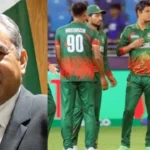
The boycott saga began when Pakistan’s government, in solidarity with Bangladesh, initially announced that its team would not take the field against India in the T20 World Cup group stage. This decision followed Bangladesh’s withdrawal from their matches in India over security concerns, which had already stirred debate and tension within the global cricket community.
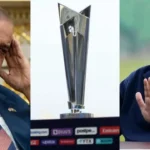
Pakistan’s stance had raised serious concerns among cricket administrators, broadcasters, and fans, because an India-Pakistan clash is considered the commercial centerpiece of ICC events. The ICC had warned that selective participation could threaten the integrity of the tournament and warned of consequences.
However, after intensive negotiations, Pakistan’s government decided to reverse its boycott directive. The final agreement included assurances that Bangladesh would face no sanctions for their tournament decisions, and Pakistan was encouraged by friendly member boards to uphold the spirit of cricket by playing the scheduled match.
Hafeez Calls for True Sportsmanship
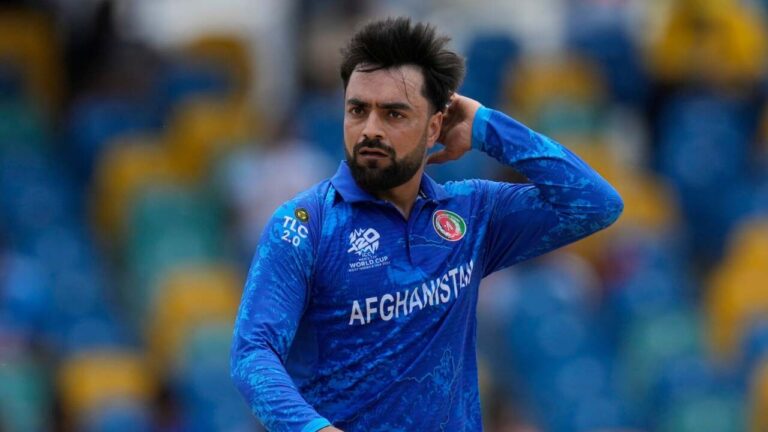
Amid this backdrop of diplomatic and sporting tension, former Pakistan captain Mohammad Hafeez spoke out about how the India-Pakistan T20 World Cup match should be played. Hafeez emphasized that this rivalry inspires the world and should always be played with complete sportsmanship, urging that politics be kept out of cricket going forward. He expressed his hope that matches between India and Pakistan become a regular feature of ICC competitions, not just one-offs clouded by other issues.
Hafeez’s comments resonated widely across cricketing communities, as fans and former players from both nations shared their views on separating the game from external pressures. His appeal for integrity and respect on the field highlights how sport can unify even when diplomatic situations are complex.
Global Reactions and Cricket Diplomacy
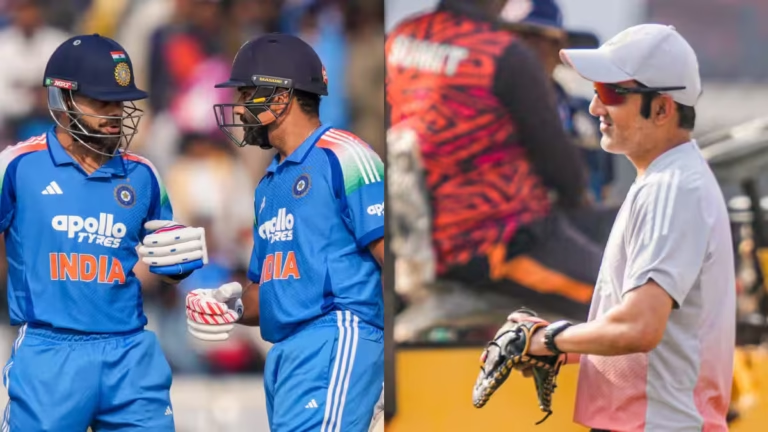
The resolution over the India-Pakistan match drew reactions from players, boards, and experts alike. In India, senior cricketers affirmed they were fully prepared and focused for the match, especially after the uncertainty was resolved. Beyond the subcontinent, cricket boards and administrators have stressed the importance of keeping such fixtures free from political interference, highlighting that the spirit of cricket must remain a guiding principle for global competitions.
Former Indian and Pakistani players have also weighed in, with some agreeing that a U-turn on the boycott could happen at any time during such complex situations, while others urged all parties to respect the competitive and unifying value of the match.
What It Means for Cricket Fans Worldwide
For millions of cricket fans across India, Pakistan, and the world, the confirmation that the match will be played brings immense relief. This fixture isn’t just about sport — it carries cultural significance, intense rivalry, and global viewership unmatched by almost any other sporting encounter. Its return to the World Cup calendar ensures that the tournament can proceed in full spirit and competitive balance, preserving both fan enthusiasm and commercial commitments.
The story of this boycott and subsequent reversal also sheds light on how cricket and politics occasionally intersect but how sporting bodies like the ICC and national boards strive to find pathways that allow competition to flourish. In the end, the message from many cricketing voices is clear: cricket should live above politics and embody sportsmanship, unity, and fair competition.
Looking Ahead
As the ICC Men’s T20 World Cup 2026 progresses, all eyes will be on Colombo on February 15, when India and Pakistan will once again face off in a match that captures worldwide attention. With both teams ready and tensions eased, this clash is set to be not just a battle on the field but a reminder of how sport can bridge divides when guided by respect and competitive fairness.
Related posts:
 Supreme Court signals skill-based tournaments may escape India’s new gaming ban
 India Clinches Nine Golds in World Boxing Cup Finals 2025
 IPL 2026 Uncertain as Chinnaswamy Stadium Awaits Structural Safety Clearance
 Lionel Messi India Tour Ends in Delhi With Grand Events
 From Struggle to Stardom: IPL Mini Auction Changed These Lives
 Palestinian Flag Controversy Erupts at Jammu Kashmir Domestic Cricket Match
 Mohammed Shami Ignored Again as India ODI Squad Announced
 Why Vaibhav Suryavanshi Is Forcing India’s T20I Selection Rethink
 ICC Warns Pakistan of Isolation Over T20 World Cup Boycott
 Pakistan May Skip India Match at T20 World Cup 2026