
India and Canada Forge Stronger Security Cooperation After Diplomatic Strain
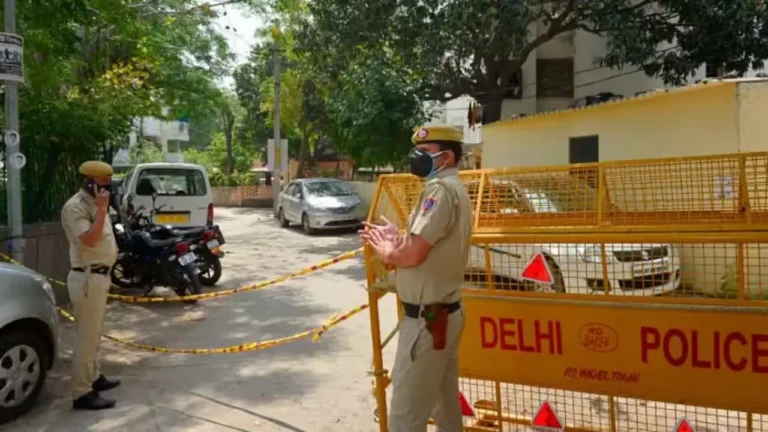
India and Canada have taken a meaningful step toward strengthening their bilateral relationship by agreeing on a shared work plan for cooperation on national security and law enforcement issues. This development was confirmed following a high-level meeting in Ottawa between India’s National Security Adviser, Ajit Doval, and his Canadian counterpart, Nathalie Drouin. The agreement signals a renewed commitment by both nations to work together on matters of mutual concern, particularly in areas such as combating drug trafficking, transnational organized crime, and cybersecurity threats.
Renewing Ties Through Practical Security Collaboration
The shared work plan agreed upon by India and Canada reflects a mutual understanding that modern security challenges transcend borders. The two countries emphasized the importance of timely information sharing and practical cooperation to tackle issues that affect both nations’ safety and welfare. As part of this plan, India and Canada will appoint security and law-enforcement liaison officers to facilitate smoother communication and coordination between agencies. This step aims to ensure that insights and intelligence on threats such as the illegal flow of fentanyl precursors and transnational criminal networks are shared quickly and effectively.
During their discussions, the leaders also acknowledged ongoing progress in initiatives designed to protect the safety and security of their citizens. These initiatives go beyond law enforcement, extending to cybersecurity policy cooperation and information exchange on emerging digital threats, reflecting the growing challenge of cybercrime affecting both nations.
From Strained Relations to Strategic Dialogue
The security cooperation agreement comes at a time when diplomatic relations between India and Canada were previously strained due to a major controversy in 2023. The row began after then Canadian Prime Minister Justin Trudeau alleged links between Indian government agents and the killing of a Khalistani separatist, Hardeep Singh Nijjar, on Canadian soil. India dismissed these allegations as “absurd” and strongly rejected any involvement. The diplomatic fallout included the expulsion of diplomats and a significant chill in bilateral ties.
Over the past year, efforts have been made by both sides to reset and rebuild diplomatic engagement. The election of a new Canadian prime minister and renewed bilateral discussions have helped create space for improved relations. Security dialogue between the two nations has been a central part of this process, with intelligence and law enforcement officials maintaining channels of communication to address shared concerns.
Liaison Officers and Information Sharing
One of the most important outcomes of the recent talks is the decision to appoint security and law-enforcement liaison officers, who will act as direct points of contact between Indian and Canadian agencies. These officers are expected to play a vital role in streamlining communication, particularly in urgent situations where rapid information exchange can prevent harm or disruption. This is especially critical when dealing with drug trafficking networks, including the flow of fentanyl and other illegal substances, which have affected public health and safety in both countries.
In addition to this, both sides agreed to formalize cooperation on cybersecurity issues, an area that has grown in importance as digital threats become more sophisticated. Sharing information on cyber incidents and policy frameworks will help both nations better protect their citizens and infrastructure from criminal exploitation and digital espionage.
Looking Forward: Broader Bilateral Cooperation
Beyond security, India and Canada have a long history of diplomatic, cultural, and economic ties that both sides are keen to strengthen further. Relations between the two countries date back many decades and are built on shared values such as democratic governance, respect for diversity, and people-to-people connections. While political tension in recent years tested these bonds, the latest security cooperation framework reflects a desire by both nations to move forward and address common challenges together.
The agreement on enhanced security cooperation and a shared work plan is seen by experts as a major step in normalizing relations and expanding collaboration in areas that directly affect national interests. It demonstrates that despite past disagreements, India and Canada recognize the importance of ongoing dialogue and strategic partnership in addressing global security issues and fostering stability.
Conclusion: A New Chapter in India-Canada Relations
The recent agreement between India and Canada to strengthen collaboration on national security, law enforcement, and cybersecurity marks an important milestone in bilateral relations. By establishing liaison officers and focusing on timely sharing of information on shared threats like drug trafficking and organized crime, both countries are investing in a more coordinated and effective approach to security. After a period of diplomatic tension, this shared work plan provides a foundation for deeper trust and cooperation in the years ahead, reflecting a renewed commitment to address mutual concerns and safeguard the well-being of their citizens.
Related posts:
 Homs Mosque Blast Highlights Rising Sectarian Violence in Post-Assad Syria
 PM Modi Concerned Over Alleged Attack on Putin Residence, Urges Diplomacy
 Maduro Praises Downing of Drug Aircraft Amid Rising US-Venezuela Tensions
 Indian Navy New Haldia Base Boosts Bay of Bengal Security
 Modi Merz Meet Strengthens India Germany Strategic Partnership With Key Agreements
 Iran Protester Execution Threat Sparks Global Concern Amid Crackdown Crisis
 Trump Warns NATO Exit Over Greenland Deal and Security Concerns
 PM Modi Launches Kaziranga Corridor, Amrit Bharat Trains in Assam
 United States Completes Historic Withdrawal From World Health Organization WHO
 Diplomatic Tensions Rise After Sheikh Hasina’s Recorded Delhi Message