Imran Khan’s Vision Loss in Jail- A Growing Health Crisis
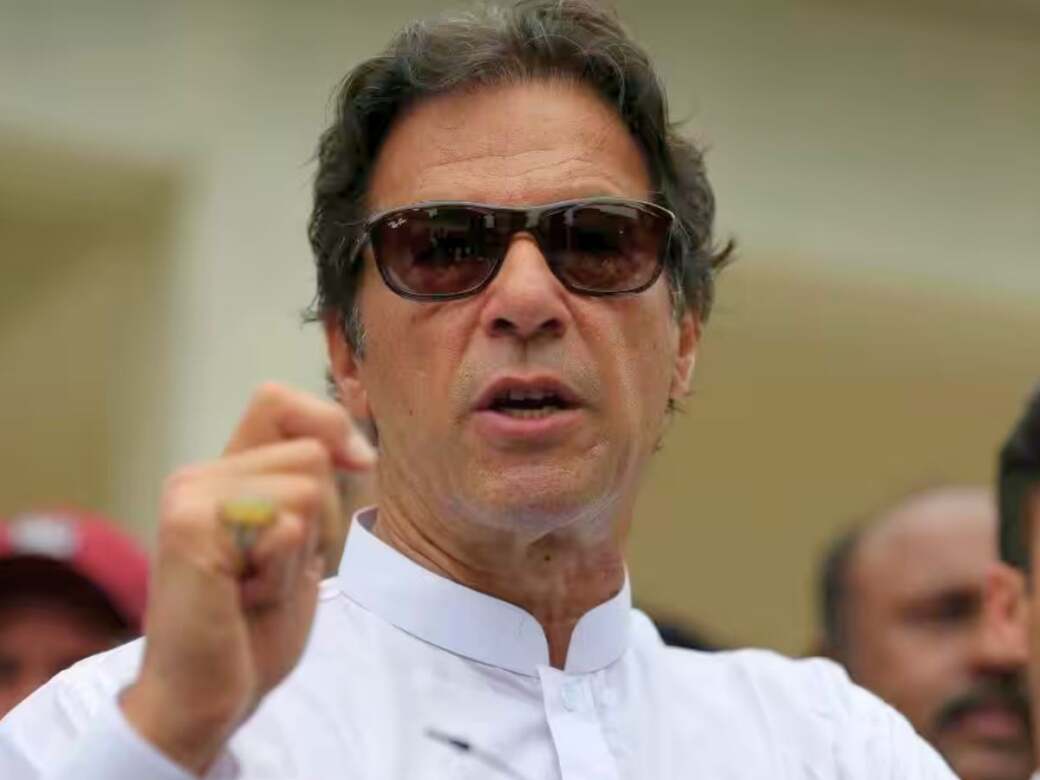
Former Pakistan Prime Minister Imran Khan, a prominent political leader and founder of the Pakistan Tehreek-e-Insaf (PTI) party, is at the centre of a serious health controversy after his son claimed that Khan has suffered a severe loss of vision in his right eye while incarcerated. According to Kasim Khan’s post on social media platform X, the 73-year-old leader now reportedly has only about 15% vision left in that eye, a condition he blames on prolonged solitary confinement and alleged medical neglect since his imprisonment in Adiala Jail in 2023.
This alarming update has drawn widespread domestic and international attention, prompting responses from Pakistan’s Supreme Court, political parties, human rights groups, and global observers. The unfolding situation highlights concerns about prisoner health rights, political freedoms, and the treatment of high-profile detainees in Pakistan’s current political climate.
What Kasim Khan Revealed About His Father’s Vision
Kasim Khan shared that reports received by the family indicate that Imran Khan has experienced a near-complete deterioration of vision in his right eye. He described the situation as a direct consequence of 922 days of solitary confinement, denied medical tests, and alleged refusal of proper treatment during his detention.
Kasim’s statement was strong and critical, asserting that the responsibility for this alleged neglect lies with the current regime, top military leadership, and others he accused of enabling harsh conditions. He also emphasised that neither he nor his brother has been granted visas to visit their father in Pakistan amid his deteriorating health, adding another layer of tension to the ongoing dispute.
Supreme Court Orders Medical Review
In response to growing concern, Pakistan’s Supreme Court has intervened and ordered the formation of a medical board to examine Imran Khan’s eye condition. The court directed that this examination take place before February 16, 2026, and also granted Khan permission to communicate with his sons, aiming to ease the family’s worries.
The legal directive reflects an acknowledgment by the judiciary that intervention is necessary to safeguard the health of a prisoner — regardless of his political background. The Supreme Court’s action may be seen as an attempt to ensure transparency and proper medical care, even as political debate continues around the issue.
Medical Condition and Allegations of Neglect
According to reports presented in court and shared by Khan’s legal representatives, the former prime minister had normal vision in both eyes until late 2025, but began experiencing persistent blurred and hazy vision before his eyesight deteriorated sharply over recent months. Medical professionals who eventually examined him diagnosed his condition as resulting from a blood clot in the eye, a serious issue that can lead to lasting damage if not treated promptly.
Critics of the jail authorities claim that repeated complaints to prison officials about worsening vision were not addressed in time and that adequate care was delayed. The PTI and opposition leaders have called this negligence “criminal” and “inhumane,” arguing that Khan’s rights as a prisoner have been violated and demanding immediate access to specialised medical treatment outside the jail.
Political Reactions and Public Outcry
The situation has spurred angry reactions from Khan’s party, allies, and human rights advocates. The PTI described the reported vision loss and lack of proper medical assistance as an unacceptable breach of basic human rights. PTI leaders emphasised that even political opponents must be treated with dignity and have the right to adequate healthcare while in custody.
Outside the courtroom, opposition figures and civil liberties activists have also expressed serious concern, urging independent investigations and access for Khan’s personal doctors and family members. Many argue that delayed medical support could lead to permanent damage and should be prevented at any cost.
Government Response and Medical Reports
In contrast to the family’s claims, Pakistan’s Information Minister Attaullah Tarar stated that Imran Khan’s “detailed” medical reports have been shared with his family and that he underwent a medical procedure at the Pakistan Institute of Medical Sciences (PIMS) in Islamabad, asserting that Khan was in “good health” at that time.
This mixed messaging has added confusion and tension, as the family and legal allies maintain that the condition is serious and life-affecting, while government officials downplay the severity of the situation. The interplay between these narratives reflects how health issues can become politicised, especially when they involve a figure as influential as Imran Khan.
Broader Implications and Ongoing Legal Process
The controversy surrounding Imran Khan’s vision loss also highlights broader concerns about prisoner treatment, judicial oversight, and political rights in Pakistan. With persistent allegations of abusive conditions in solitary confinement and restricted access to legal counsel or family visits, human rights groups are watching closely to ensure that the government complies with international standards for detainee care.
The Supreme Court’s order to allow Khan to speak with his sons and undergo independent medical evaluation suggests that legal institutions are taking some steps toward accountability. However, it remains to be seen whether these actions will lead to a meaningful improvement in his health and conditions of detention.
Conclusion
As the world watches closely, the reported loss of vision suffered by Imran Khan underscores a complex situation at the intersection of health, politics, and justice. With both the judiciary and political factions engaged, the coming days may prove pivotal in determining not only Khan’s medical care but also the broader implications for how high-profile prisoners are treated in Pakistan.
Related posts:
 Pakistan’s 27th Amendment: Cementing Field Marshal Asim Munir’s Power
 Japan–China Diplomatic Row Deepens Over Taiwan Comments
 Medvedev Warns US: Nuclear Weapon Transfer to Ukraine Equals Attack
 Mossad Uncovers Hamas Terror Network in Europe Linked to Qatar
 Delhi Government Restructures Revenue Districts: 13 Districts, 39 SDM Offices
 Trump Sends Envoy to Moscow for Russia-Ukraine Peace Talks
 Trump Announces Permanent Pause on Migration from Third World Countries
 Major Anti-Drug Operation: Telangana and Delhi Police Bust Big Network
 Assam GoM Recommends ST Status for Six Communities in Report
 Fresh FIR Against Gandhis Sparks Congress Allegations of Vendetta Politics