Grand Jury Rejects Attempted Indictment in High-Profile Video Case
In a dramatic development that drew national attention, a federal grand jury in Washington, D.C. has refused to indict six Democratic lawmakers whom the Justice Department (DOJ) had sought to charge over a video urging U.S. military and intelligence personnel to refuse unlawful orders. The case has highlighted deep political tensions, questions about free speech, and legal debates over the role of elected officials in commenting on national security issues.
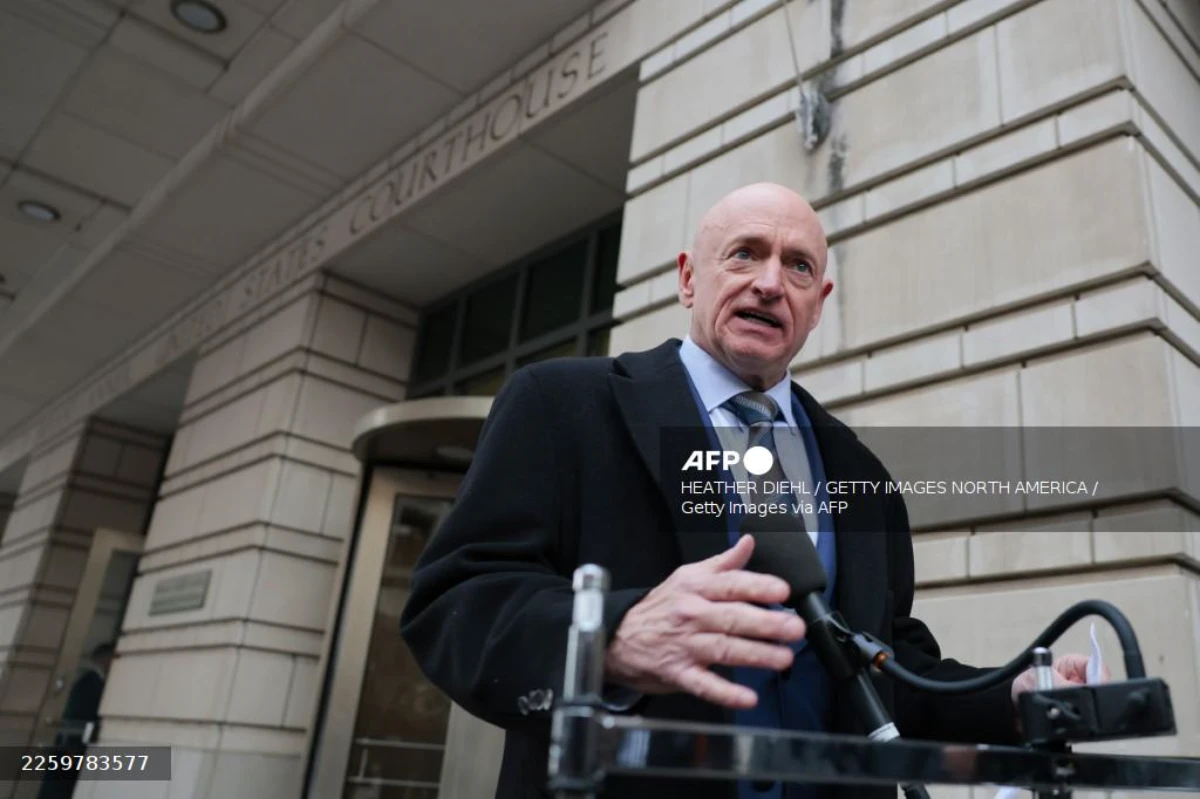
The video at the centre of the controversy was posted last fall and featured six members of Congress, including Senators Mark Kelly of Arizona and Elissa Slotkin of Michigan, as well as Representatives Jason Crow, Chris Deluzio, Chrissy Houlahan, and Maggie Goodlander. All six lawmakers have backgrounds in military service or intelligence agencies, and in the video they reminded active-duty members and veterans that they are obligated under U.S. law to disobey unlawful orders.
What Prosecutors Tried and the Grand Jury’s Decision
The Justice Department, under U.S. Attorney Jeanine Pirro in Washington, attempted to secure an indictment from a federal grand jury, arguing that the video potentially violated laws related to undermining military discipline and morale. Federal prosecutors went before the grand jury asking them to charge the lawmakers with a crime surrounding their video message, in what critics described as a politically charged effort.
However, the grand jury declined to indict, a decision that is often seen as a key check in the U.S. legal system. This means the panel of ordinary citizens hearing the prosecutors’ case did not find sufficient reasons to believe a crime had been committed, choosing not to press the matter forward for trial. Grand jury refusals are relatively rare and are generally considered a significant rebuke to prosecutorial efforts, especially in contentious political matters.
Reactions From Lawmakers and Political Leaders
The lawmakers involved quickly responded to the news with statements defending their actions and praising the grand jury’s decision. Senator Elissa Slotkin called the outcome “a victory for the Constitution, our freedom of speech, and the rule of law,” expressing hope that the decision would bring an end to the broader investigation. Senator Mark Kelly described the attempted indictment as an “outrageous abuse of power” by the Trump administration and its allies, arguing that the video simply reiterated legal obligations for service members.
Many Democrats and civil liberties advocates framed the decision as a vindication of free speech and of the lawmakers’ right to voice legal interpretations without fear of criminal prosecution. They noted that criticizing government actions and urging compliance with the law are protected political activities in the United States. Some legal experts pointed out that grand juries are generally easier for prosecutors to persuade than trial juries, making this refusal particularly noteworthy.
On the other hand, some Republican figures publicly argued that the lawmakers should have been indicted. House Speaker Mike Johnson commented on the situation by suggesting that in his view the lawmakers’ actions crossed a line, though that perspective did not sway the grand jury’s decision.
Political and Legal Context of the Controversy
The dispute began after the video was released last year amid broader disagreements between the lawmakers and the Trump administration over military use, domestic policy, and Constitutional obligations. Former President Donald Trump and some of his supporters described the lawmakers’ comments as “seditious” and demanded severe consequences, including criminal charges. These accusations intensified public debate about the limits of political speech, patriotism, and military obedience.
The controversy also intersected with other actions taken against lawmakers like Senator Kelly. In a related development, the Pentagon sought to retroactively downgrade Kelly’s retired military rank following his participation in the video. Kelly has responded by suing the Defense Secretary, arguing that the action constitutes unconstitutional retaliation.
What the Grand Jury Decision Means for the Rule of Law
The grand jury’s refusal to indict in this case has reverberated beyond the immediate participants, drawing attention to the independence of the justice system in politically sensitive cases. Legal analysts have seen the decision as evidence that, despite pressures, the criminal justice system can function as a check on prosecutorial overreach—especially in cases involving speeches or political expression by elected officials.
Experts note that while prosecutors could technically bring the case again before a new grand jury or pursue other legal avenues, the current decision sends a strong message about standards of evidence and the importance of distinguishing political discourse from criminal conduct. Critics of the prosecution effort argue that targeting lawmakers for a video that reiterated established military law threatens fundamental democratic principles such as free speech and dissent.
Looking Ahead: Broader Implications and Ongoing Tensions
As the nation continues to discuss the grand jury’s decision and the underlying issues of military obedience, political expression, and legal boundaries, the case highlights the ongoing challenges in balancing security concerns with constitutional freedoms. While the DOJ’s efforts to indict the lawmakers have stalled, debates over accountability, executive authority, and legislative dissent are likely to persist in the political arena.
For now, the grand jury’s refusal to authorize charges serves not just as a legal outcome but also as a testament to the role of citizen jurors in evaluating evidence and protecting constitutional rights even in the most charged political controversies.
Related posts:
 Trump Announces Permanent Pause on Migration from Third World Countries
 Major Anti-Drug Operation: Telangana and Delhi Police Bust Big Network
 Assam GoM Recommends ST Status for Six Communities in Report
 Fresh FIR Against Gandhis Sparks Congress Allegations of Vendetta Politics
 Five Indians Kidnapped in Mali Amid Rising Extremist Violence Crisis
 KK Muhammed Urges Restraint in Mandir-Masjid Disputes Across India
 Latest Update on 8th Pay Commission Notification and Key Issues
 Chilling Public Execution in Khost by the Taliban Sparks Global Outrage
 Putin praises Modi: India-Russia ties deepen through trust and friendship
 Airlines in Turmoil-DGCA and MoCA Swing Into Action to Stabilize the Situation