Delhi High Court’s January Verdict: A Turning Point for Cancer Treatment Access
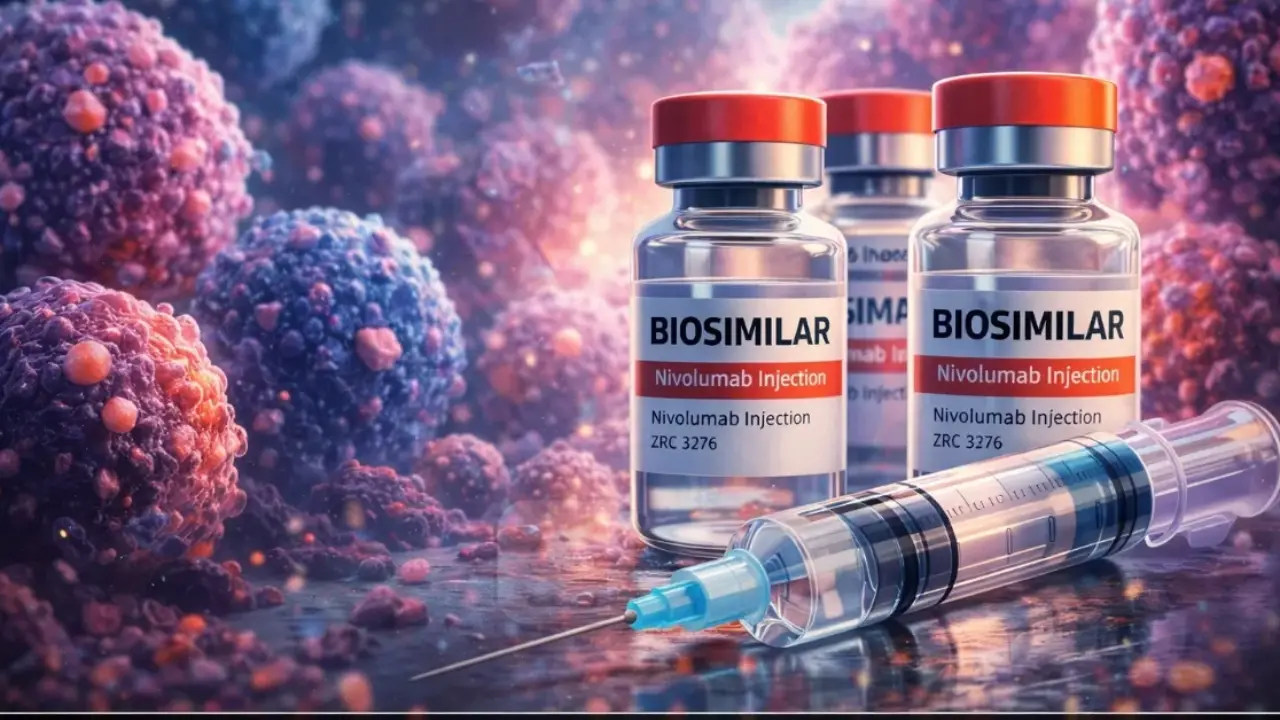
On January 12, 2026, the Delhi High Court delivered a significant judgment that could have far-reaching consequences for cancer patients across India. The court allowed Zydus Lifesciences to manufacture and sell a biosimilar version of Nivolumab, a powerful cancer immunotherapy drug, even before the original patent expired. In its ruling, the bench highlighted public interest as a central consideration, acknowledging that life-saving treatments should be more accessible and affordable for patients in need.
Historically, Bristol Myers-Squibb (BMS), a global pharmaceutical company, holds the patent on Nivolumab in India. The drug, widely known under brand names such as Opdivo internationally and Opdyta in India, is one of the most important immunotherapy agents in modern oncology. Though this patent was set to expire in May 2026, BMS had previously secured interim injunctions to prevent Zydus from launching its biosimilar, citing patent infringement issues.
However, the division bench, led by Justices C Hari Shankar and Om Prakash Shukla, modified earlier orders and emphasised that when dealing with life-saving medicines, courts should carefully balance patent rights with the public interest and human lives at stake. This shift is noteworthy because it underlines the judiciary’s concern for affordable healthcare over prolonging monopolies when access is critical.
What Makes Nivolumab Important in Cancer Therapy?
To understand why this ruling matters so deeply, it helps to know how Nivolumab works and why its cost has been a barrier for many patients. Nivolumab is a monoclonal antibody — a type of lab-engineered protein that enhances the body’s immune response against cancer cells. Unlike traditional chemotherapy, which attacks rapidly dividing cells indiscriminately, monoclonal antibodies are designed to target specific proteins on cancer cells.
Nivolumab specifically targets the PD-1 (Programmed Death-1) receptor, releasing the “brakes” on immune cells so they attack cancer more effectively. This targeted approach has been revolutionary in treating a wide range of cancers, including lung cancer, renal (kidney) cancer, head and neck cancers, melanoma, urothelial cancer, and oesophageal cancer. For many patients, immunotherapy with Nivolumab has improved survival rates and quality of life compared to older therapies.
Because of its importance, the US Food and Drug Administration (FDA) designated Nivolumab as a “Breakthrough Therapy”, which accelerated its development and approval path. Globally, the drug has been extremely successful, generating nearly $9 billion in revenue for BMS in 2023 and continuing strong earnings in subsequent years. Its success helped BMS maintain financial strength amid rising competition from other cancer drugs.
Why the Delhi High Court Ruling Matters for Patients in India
In India, access to Nivolumab has been limited by its high cost. A single vial of the branded drug Opdyta typically costs between ₹45,000 and ₹1,00,000, depending on the dosage strength. Because cancer treatment often requires multiple vials per month, total costs can easily reach ₹2-3.5 lakh per month — figures that put treatment out of reach for most middle-class and low-income families.
With the High Court’s decision in favour of Zydus, Indian patients may soon benefit from a far more affordable biosimilar alternative. Zydus has already indicated that its version of Nivolumab could be priced at a fraction (as much as 70% cheaper) of the original drug’s cost. This could dramatically reduce the financial burden of immunotherapy for cancer patients and their families.
Furthermore, the ruling reinforces that competitive domestic pharmaceutical manufacturing can play a vital role in improving access to crucial medicines in India. The court recognised that delaying the availability of a cheaper biosimilar would cause “untold and irreparable prejudice to lakhs of lives”, underscoring the real human cost of expensive cancer therapies.
Balancing Patent Rights and Public Health
While global innovators like BMS invest heavily in drug research and deserve legal protection for their innovations, the Indian judiciary’s approach illustrates a balanced perspective. The Delhi High Court did not dismiss patent rights altogether; rather, it stressed that when technical issues in patent enforcement are debatable and patients’ lives are at stake, public health considerations can prevail.
The court’s reasoning also reflects India’s broader policy direction, where access to affordable medicines is frequently prioritised in legal and regulatory decisions. This perspective supports national goals of expanding healthcare access, especially for critical diseases such as cancer, where early treatment and sustained therapy can significantly affect outcomes.
Looking Ahead: Affordable Cancer Care in India
The Delhi High Court ruling opens a new chapter for Indian patients and the domestic pharmaceutical industry. If Zydus successfully launches its biosimilar of Nivolumab, cancer treatment could become more accessible to millions who previously couldn’t afford advanced immunotherapy. This move could also set a precedent for other biosimilars of high-cost biologic therapies, encouraging competition and price reductions across the healthcare sector.
In the long term, reduced drug costs can contribute to better cancer care outcomes and may relieve financial pressure on families grappling with treatment expenses. For patients and doctors alike, this represents not just a legal win but a major step toward equitable healthcare in India.
Related posts:
 How Air Pollution Silently Damages Blood and Triggers Anaemia
 How Precision Biotherapeutics Are Transforming India’s Future Healthcare
 Global Alarm as Ultra-Processed Foods Threaten Public Health Worldwide
 India’s 2026 Health Trends Reveal Rising Medical Costs Ahead
 Supreme Court Seeks National Cancer Notification to Strengthen Health Surveillance
 Satna Hospital HIV Case: Thalassaemia Children Infected After Blood Transfusion
 AI, Obesity Drugs and Biologics Reshape India’s Pharmaceutical Growth Story
 Namakkal Poultry Farms On High Alert After Kerala Avian Flu
 Rising Antimicrobial Resistance in India: Antibiotic Misuse Threatens Public Health
 What Science Says About Pomegranate Juice Benefits for Heart Health