Delhi Police Issues Notice to Penguin India Over Naravane Memoir
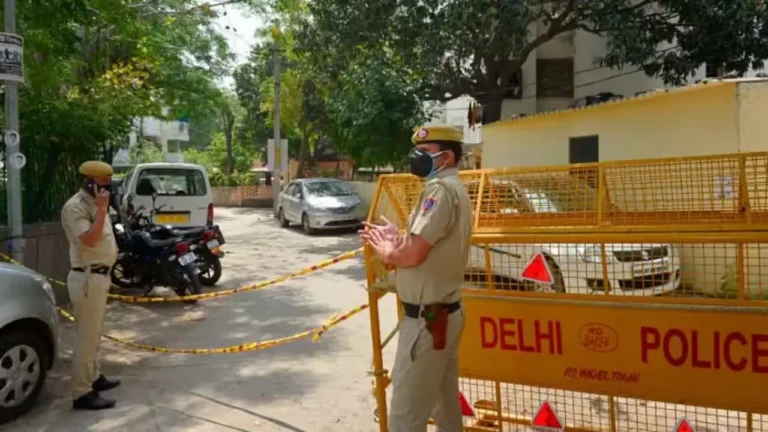
A major controversy has erupted in India’s publishing and political circles over the alleged unauthorized circulation of the unpublished memoir of former Chief of Army Staff General Manoj Mukund Naravane titled Four Stars of Destiny. On February 11, 2026, the Delhi Police’s Special Cell issued a formal notice to Penguin Random House India, the publisher of the memoir, seeking clarification and responses amid claims that copies of the book were being shared on social media and online platforms without official release.
The notice comes as the police investigate a First Information Report (FIR) that was registered earlier in connection with the alleged leak or circulation of the manuscript before its authorized publication. According to officials, the Special Cell’s notice asks Penguin India to answer several questions about how the manuscript appeared on the internet and who may be responsible.
About the Controversy and FIR Registration
The FIR, filed by the Delhi Police, stems from reports that a pre-print or digital version of Four Stars of Destiny had been circulating online despite the book not yet being officially published or cleared for release. The police have treated the matter seriously because distribution of unpublished content—especially relating to a high-profile military figure—may violate copyright laws and publication protocols.
Officials noted that some websites appeared to host PDF versions of the manuscript, and certain retail platforms displayed the cover of the memoir in a way that suggested it was available for sale, even though Penguin Random House India maintains that it has exclusive publishing rights and no official copies have been released to the public. This contradiction prompted the police to launch a deeper probe.
Penguin Random House India’s Clarification
In response to the growing uproar, Penguin Random House India (PRHI) issued a statement reaffirming that Four Stars of Destiny has not been published, distributed, sold, or otherwise made available in print or digital form by the publishing house. The company emphasized that it holds exclusive rights to publish the memoir of the former Army chief and stated that any circulating copies—whether full or partial—would amount to copyright infringement.
The publisher also warned that it would pursue all legal remedies against unauthorized dissemination of the material. It clarified that announcements of upcoming books and pre-order listings do not equate to publication, and it reiterated that the memoir was still pending approval and release.
General Naravane’s Public Statement
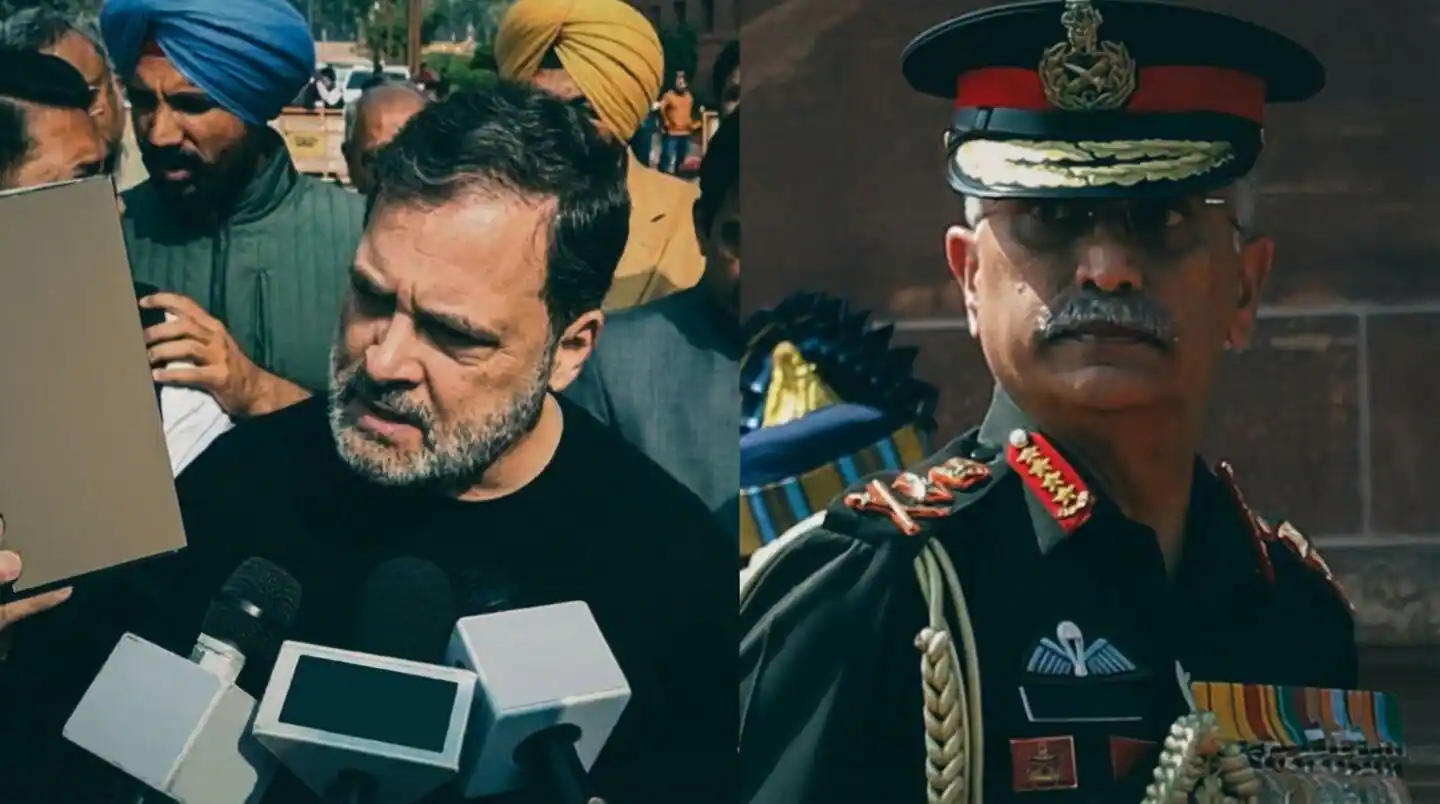
Adding to the unfolding drama, General Manoj Mukund Naravane himself addressed the controversy publicly and backed the publisher’s claim that the book has not yet been officially published. In a brief statement on social media, he confirmed that the status of the memoir remains unchanged, supporting the position that any circulating material is unauthorized. His intervention aimed to clarify misinformation and affirm that the book has not entered public circulation through official channels.
Political Flashpoint and Parliamentary Row
The issue quickly escalated beyond law enforcement and publishing circles into the political arena. During a recent session of the Indian Parliament, Congress leader Rahul Gandhi displayed what he described as a copy of the memoir while attempting to quote from it to raise questions about national security matters. However, Parliamentary rules prohibit quoting from unpublished works that have not been authenticated, leading to objections from other members and the Speaker. This moment intensified public debate about whether an unpublished book could be used as a source in national legislative discussions.
Opposition figures, including Gandhi, questioned why and how an unpublished manuscript, allegedly not yet cleared for publication by the Ministry of Defence and the publisher alike, appeared in such a politically charged setting. Some critics framed the situation as an attempt to debate sensitive military topics, while others focused on the procedural breach. This political dimension has brought even more eyes to the ongoing police probe.
Legal and Publication Protocol Issues
Books by former military officials, particularly those that may contain observations on strategic or security matters, often require clearance from relevant authorities before publication to ensure no sensitive information is disclosed. In this case, Four Stars of Destiny had not received such clearance, according to publishers and the former Army chief. This protocol is intended to balance freedom of expression with national security considerations.
The police investigation is expected to explore multiple angles, including how copies of the manuscript may have leaked, whether there were lapses in publication control, and whether any laws regarding unauthorized distribution or copyright infringement were broken. The Special Cell will seek to determine responsibility and safeguard the rights of the publisher and author.
Public and Media Reaction
The controversy has drawn significant public and media attention, with debates swirling about copyright, censorship, and transparency. Some commentators have raised questions about the responsibility of publishers to protect unreleased material and the implications of leaked manuscripts for intellectual property rights. Meanwhile, political figures have used the moment to highlight broader issues related to governance and defense policy.
Amid the noise, many readers and observers remain curious about the content of Four Stars of Destiny and what insights it might offer about General Naravane’s distinguished military career. Yet, given the ongoing legal and police inquiry, clarity about its publication timeline and official release status remains awaited.
Investigation and Publication Status
As the Delhi Police Special Cell continues its investigation, Penguin Random House India is expected to respond to the notice with detailed clarification and cooperation. The outcome of the probe could set important precedents for how unpublished literary works are protected and handled, especially those involving high-profile public figures and potentially sensitive subject matter. For now, the memo remains officially unpublished, and authorities are working to ensure that any unauthorized distribution is thoroughly examined and addressed.
Related posts:
 Trump Announces Permanent Pause on Migration from Third World Countries
 Major Anti-Drug Operation: Telangana and Delhi Police Bust Big Network
 Assam GoM Recommends ST Status for Six Communities in Report
 Fresh FIR Against Gandhis Sparks Congress Allegations of Vendetta Politics
 Five Indians Kidnapped in Mali Amid Rising Extremist Violence Crisis
 KK Muhammed Urges Restraint in Mandir-Masjid Disputes Across India
 Latest Update on 8th Pay Commission Notification and Key Issues
 Chilling Public Execution in Khost by the Taliban Sparks Global Outrage
 Putin praises Modi: India-Russia ties deepen through trust and friendship
 Airlines in Turmoil-DGCA and MoCA Swing Into Action to Stabilize the Situation