
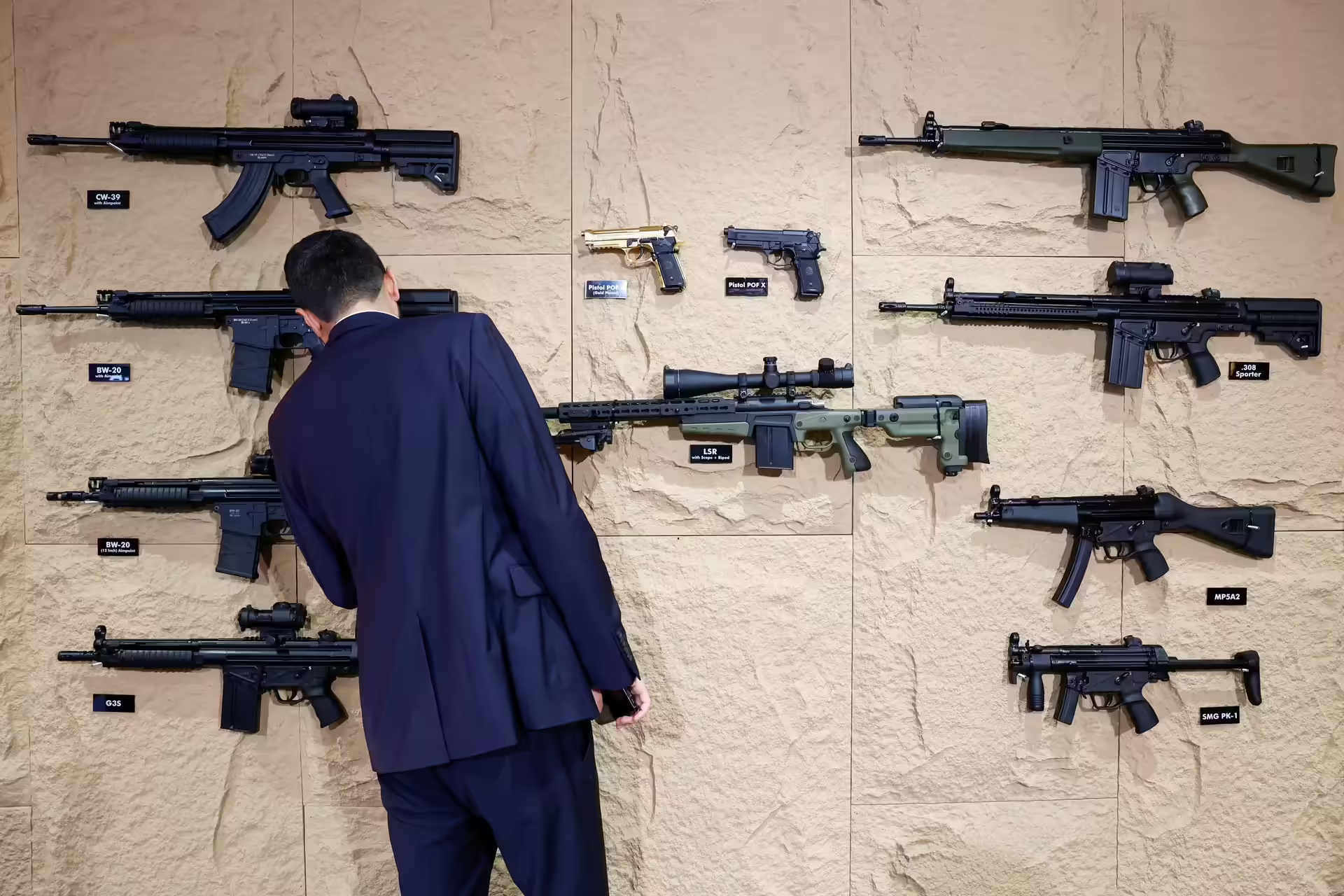
Concerns Rise Over Quality of Pakistani Weapons Exports
New reports on Pakistani weapons and ammunition have raised serious concerns among countries that import defence equipment from Pakistan. These reports question the quality, reliability, and age of ammunition supplied by Pakistan, prompting several nations to rethink future arms purchases. According to available assessments, a significant portion of the ammunition and artillery shells exported by Pakistan appears to be decades old, creating doubts about Pakistan’s credibility as a reliable arms supplier.
Azerbaijan-Armenia Conflict Brings Issues to Light
The issue gained attention amid ongoing tensions between Azerbaijan and Armenia, a conflict that has driven Azerbaijan to strengthen its military capabilities. To support its defence needs, Azerbaijan has imported weapons from allies such as Turkey and Pakistan. However, experts and battlefield feedback suggest that Pakistani weapons supplied to Azerbaijan showed clear signs of ageing and poor maintenance.
Reports indicate visible problems such as rust, reduced propellant loads, and inaccurate measurements in the ammunition. These flaws are not minor technical defects but serious shortcomings that can directly impact battlefield effectiveness and soldier safety.
Poor Performance of Pakistani Artillery Shells
The situation appears particularly concerning when it comes to Pakistani artillery shells supplied to Azerbaijan. Feedback from combat situations suggests that these shells performed far below expectations. While Pakistan reportedly claimed a certain firing range for its artillery ammunition, actual battlefield use showed that the shells could only reach 40 to 60 per cent of the stated range.
Such underperformance raises critical questions about testing standards, quality control, and transparency in Pakistan’s defence exports. For countries engaged in active conflict or preparing for potential hostilities, unreliable ammunition can be a strategic liability.
Similar Complaints from Ukraine
Azerbaijan is not the only country to express dissatisfaction with Pakistani weapons. Ukraine had earlier faced serious issues after purchasing 155mm artillery shells manufactured in Pakistan. These shells were intended for use with M777 howitzer cannons during the early phase of the Russian offensive.
According to reports from the battlefield, several of these shells suffered from premature detonation, causing damage to the artillery systems themselves. Such incidents not only reduce combat effectiveness but also pose a grave risk to military personnel. These experiences reportedly led to regret within Ukrainian military circles over the decision to procure ammunition from Pakistan.
Saudi Arabia Shifts Away from Pakistani Ammunition
Another important signal comes from Saudi Arabia, which was once heavily dependent on Pakistani ammunition and artillery shells. Over time, concerns about consistency and performance have reportedly led Saudi Arabia to diversify its defence suppliers. The country is now sourcing ammunition from India and other nations, reflecting a broader loss of confidence in Pakistani defence exports.
This shift highlights a growing trend where countries prefer suppliers with proven reliability, modern manufacturing standards, and transparent quality assurance processes.
Impact on Pakistan’s Defence Export Ambitions
These repeated reports of poor-quality ammunition are likely to affect Pakistan’s future defence export plans. Countries considering new weapons deals with Pakistan may now pause or reconsider their options, especially in a global environment where performance and safety are non-negotiable factors.
Defence experts believe that unless Pakistan invests in modernising its production facilities, improving quality control, and ensuring proper testing, its position in the global arms market could weaken further.
Conclusion
The growing concerns over Pakistani weapons quality serve as a warning for countries relying on imported defence equipment. Experiences from Azerbaijan, Ukraine, and Saudi Arabia suggest that outdated ammunition and poor performance can have serious operational consequences. As international scrutiny increases, Pakistan faces mounting pressure to address these issues if it hopes to remain a credible arms exporter. For buyer nations, these developments underline the importance of careful evaluation before entering defence procurement agreements.
Related posts:
 India Seeks $30 Billion From Reliance-BP in KG-D6 Gas Dispute
 Reliance Resumes Russian Crude Imports Amid Global Sanctions and Energy Strategy
 How US-Led Venezuela Oil Restructuring Could Unlock $1B for India
 Bharat Taxi App India: Government-Backed Cab Service Shaking Up Ride-Hailing
 RBI Issues New FEMA Guarantee Rules for Overseas Transactions
 India Atlanta Bay Port Plan Boosts Maritime Power In Bay
 US Tariffs, Trade Talks and Pax Silica Impact India Relations
 Pakistan Expands Military Footprint In Arab World With China Backing
 Ultimate Guide to Jio ₹3333 Annual Plan and ₹369 Recharge
 Andhra Pradesh Hosts World’s Largest Green Ammonia Project Kakinada