A Major Nationwide Strike Called on February 12
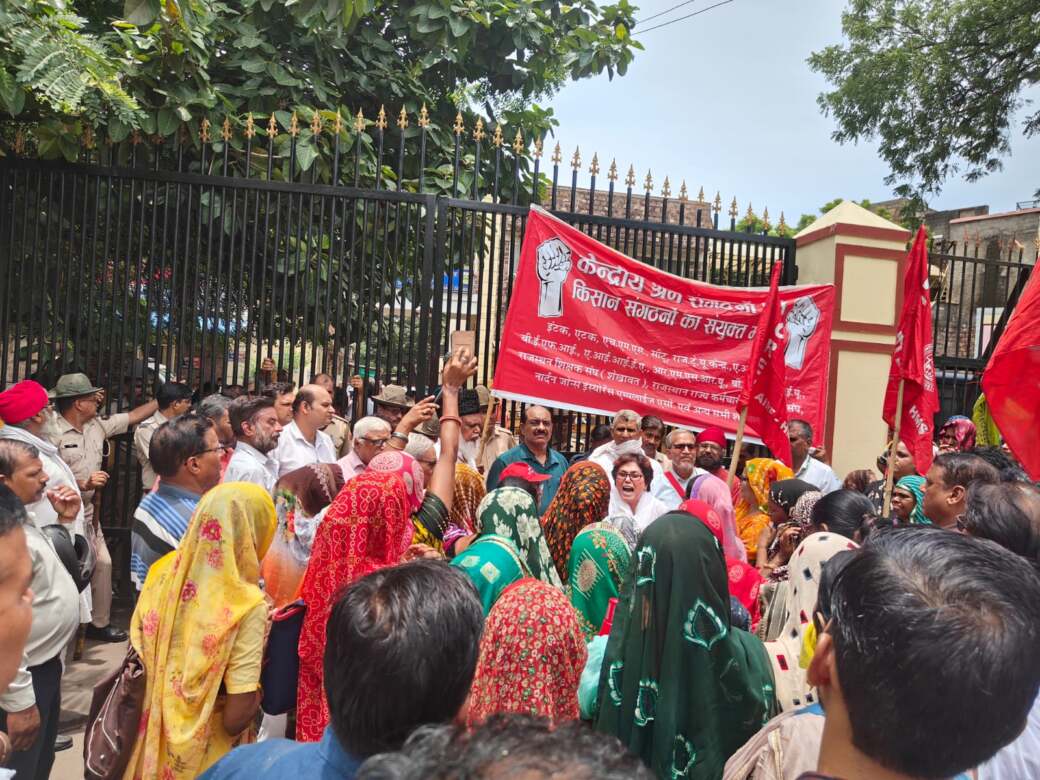
On February 12, 2026, more than ten major trade and farmers’ unions in India have announced a Bharat Bandh or nationwide general strike to protest against the Central Government’s policies. According to union leaders, this strike is set to be one of the largest worker protests in recent years, with over 30 crore workers expected to join in districts across the country. The protest reflects growing discontent among workers, farmers, youth bodies, and allied federations who describe current government actions as unfair to labour and agriculture sectors.
Why the Bharat Bandh Has Been Called
The joint platform of central trade unions—including INTUC, AITUC, HMS, CITU, AIUTUC, TUCC, SEWA, AICCTU, LPF, and UTUC—has outlined several key grievances against the government. They are primarily opposing the implementation of four new Labour Codes that replaced 29 existing labour laws, arguing that these new codes weaken workers’ rights, reduce job security, and favour corporate interests. The unions and farmer groups are also protesting the proposed India–US interim trade deal, which they believe could open India to cheap agricultural imports, harming local farmers’ incomes and livelihoods.
Farmers’ organisations such as the Samyukt Kisan Morcha (SKM) and the All India Kisan Sabha (AIKS) have extended full support to the Bharat Bandh, emphasising their opposition to the trade agreement and demanding protections for domestic agriculture.
Scale of Participation and Public Mobilisation
Union leaders, including AITUC General Secretary Amarjeet Kaur, say the anticipated scale of participation on February 12 will surpass the previous major protests, citing figures far larger than the 25 crore workers who joined the July 9, 2025 strike. They expect participation in over 600 districts nationwide, with strong mobilisation at both urban and rural levels. Even states governed by ruling parties are expected to see significant participation, with Odisha and Assam predicted to be nearly completely shut down.
What Sectors Will Be Affected
The Bharat Bandh is likely to disrupt a wide range of public services and sectors. Public sector banks, insurance offices, and government departments may face significant shutdowns or reduced operations as employees join the strike. State transport services, including buses in some states, could be halted or delayed, making travel difficult for commuters and long-distance passengers alike. Industrial units, manufacturing hubs, and agricultural works under schemes like MGNREGA are also expected to see reduced operations or stoppages.
Many markets, shops, and offices may remain closed or operate minimally, especially in areas where union influence is strong. In some states like Kerala, reports suggest a near-total shutdown of non-essential services may occur, with businesses, schools, and banks largely inactive for the day.
What Will Likely Remain Open
Despite the strike, certain essential services are expected to continue. Hospitals, ambulance and emergency health services, pharmacies, and essential supply chains such as milk delivery will remain operational to ensure public safety and basic needs. While some metro services may run based on local decisions, private offices and IT companies might continue work depending on regional participation and company policies. Schools and colleges do not have a nationwide closure order, but many will likely remain closed in protest-affected areas or due to difficulties in transport.
Conclusion: What Citizens Should Expect
As India approaches the February 12 Bharat Bandh, citizens are advised to plan ahead for possible disruptions in public banking, transport, and government services, particularly in states with strong union activity. Checking local advisories for closures or alternative arrangements is essential for students, workers, and travellers. The general strike is more than a one-day event; it represents widespread concern across labour and farming communities about the future of workers’ rights, agricultural protections, and economic policies in India.
Related posts:
 Trump Announces Permanent Pause on Migration from Third World Countries
 Major Anti-Drug Operation: Telangana and Delhi Police Bust Big Network
 Assam GoM Recommends ST Status for Six Communities in Report
 Fresh FIR Against Gandhis Sparks Congress Allegations of Vendetta Politics
 Five Indians Kidnapped in Mali Amid Rising Extremist Violence Crisis
 KK Muhammed Urges Restraint in Mandir-Masjid Disputes Across India
 Latest Update on 8th Pay Commission Notification and Key Issues
 Chilling Public Execution in Khost by the Taliban Sparks Global Outrage
 Putin praises Modi: India-Russia ties deepen through trust and friendship
 Airlines in Turmoil-DGCA and MoCA Swing Into Action to Stabilize the Situation