A Historic Election Set for February 12, 2026
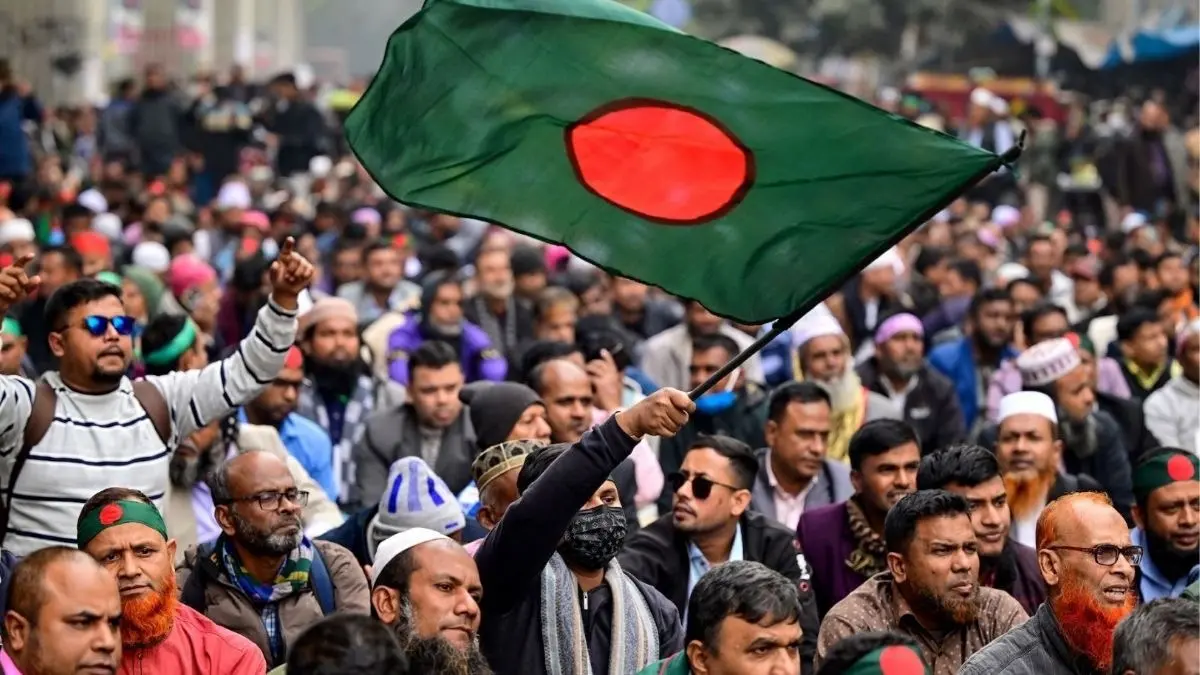
Bangladesh is gearing up for a landmark general election on February 12, 2026, the first national vote since the student-led uprising that toppled long-time Prime Minister Sheikh Hasina in August 2024. This election marks a dramatic shift in the country’s political journey and promises to reshape its future governance and democratic identity. Millions of Bangladeshis will head to the polls to elect a new 300-seat parliament in what is being called a defining moment for the nation’s democracy.
Alongside this election, voters will also decide on a referendum tied to the “July Charter,” a proposed set of political reforms that include constitutional changes, expanded representation, and stronger judicial independence. Authorities hope this dual exercise will not only fill the country’s legislature but also lay the groundwork for wider political reform.
The Awami League’s Absence and Controversy
One of the most striking features of this election is the absence of the Awami League, Bangladesh’s long-dominant political party. The party, led by former prime minister Sheikh Hasina, has been banned from participating. Hasina’s party was banned by the interim government in 2025 amid security and legal concerns tied to the violent protests and subsequent legal cases against its leadership. Its registration was also suspended by the Election Commission, effectively stopping it from contesting the polls unless the ban is lifted.
From exile in India, Hasina has strongly criticised the interim government and the exclusion of the Awami League, calling the February 12 vote illegitimate and claiming that banning her party undermines democratic choice. She argues that excluding a major political force prevents free and fair elections and risks deepening national divisions.
The absence of the Awami League has intensified political tensions, with rights groups also raising concerns about crackdowns on dissent and the space for political participation under the interim government.
Major Parties and Candidates in the Fray
Despite the Awami League’s ban, the election scene is crowded. Nearly 1,700 candidates from more than 50 political parties, alongside independents, are contesting for the 300 seats, reflecting a vibrant if contentious political contest.
The Bangladesh Nationalist Party (BNP), led by Tarique Rahman, has emerged as a major contender. Rahman, the son of the late former prime minister Khaleda Zia, returned from nearly two decades in exile and filed his nomination for the Dhaka-17 constituency. He has confidently rejected proposals to form a unity government, stating his party expects to secure a clear mandate to lead on its own.
The Jamaat-e-Islami party, once banned under Hasina’s rule, has also re-emerged as an influential force. Party leaders have filed nominations in key constituencies, including Dhaka and Khulna, seeking to expand their presence in parliament. This revival positions Jamaat as both a rival and potential partner to BNP, though Tarique Rahman has ruled out forming a government with them.
Another notable entrant is the National Citizen Party (NCP), also known as the Jatiya Nagarik Party, formed by student leaders who were central to the uprising against Hasina’s government. The NCP aims to translate protest momentum into political action at the ballot box.
Voters, Observers, and the Importance of Participation
With Bangladesh boasting more than 127 million registered voters, including millions of first-time participants, turnout could shape the legitimacy and future direction of the country’s politics. International observers from organisations such as the European Union and the Commonwealth are expected to monitor the voting process, adding a global lens to what domestic leaders hope will be a peaceful and credible vote.
Interim government Chief Adviser Muhammad Yunus, a Nobel Peace Prize laureate leading the transitional administration, has described the election and referendum as a “grand festival” and claimed it would be the most free, fair, and peaceful election in Bangladesh’s history. Yunus and his government see the polls as a foundation for a “new Bangladesh” emerging from years of political turmoil.
Domestic Challenges and Security Environment
Despite official assurances, concerns remain about political stability. In the days leading up to the polls, reports have surfaced of protests and political tensions, including attempts by demonstrators to seize the residence of Chief Adviser Yunus, signalling continued divisions among citizens.
Critics argue that banning the Awami League and other major parties could undermine the inclusivity of the election and question whether the process can be truly free and fair without full political participation. Civil liberties groups have also expressed alarm over media restrictions and the handling of dissent in recent months.
Implications for Bangladesh and the Region
This election will not only define Bangladesh’s immediate political leadership but also has broader implications for the region. Neighbouring countries, especially India and China, are watching closely, as Bangladesh’s political trajectory influences economic cooperation, trade ties, regional security, and diplomatic alignments.
The referendum on the July Charter adds another layer of significance, as it could bring long-term changes to governance, judicial independence, and electoral representation. For many voters, the election is not just about selecting lawmakers but about shaping the future of Bangladesh’s democratic institutions and civil liberties.
A Pivotal Moment in Bangladesh’s History
As Bangladesh approaches the February 12, 2026 general election, the mood across the country is a mix of anticipation and uncertainty. While the current political landscape reflects deep changes—from the ousting of a long-serving leader to the rise of new political forces it also highlights the challenges of rebuilding trust in democratic processes.
For voters, this election represents a chance to influence the nation’s direction after years of upheaval. For political leaders, it is an opportunity to deliver on promises of reform, economic progress, and national unity. And for observers around the world, Bangladesh’s vote could offer important lessons about democratic transition, resilience, and the power of civic engagement.
Whether the election achieves its lofty goals of peace, inclusivity, and reform remains to be seen. But one thing is certain: February 12, 2026, will be remembered as a defining day in Bangladesh’s political journey a testament to its people’s enduring desire for change and participation in shaping their future.
Related posts:
 India Redistributes IndiGo Flights After 10% Schedule Cut
 Shashi Tharoor Rejects Veer Savarkar Award Amid Consent Controversy
 Rahul Gandhi Submits Dissent on CIC CVC Appointments with PM
 DMRC Begins Lajpat Nagar-Saket G Block Golden Line Metro Construction
 Amit Shah Pledges Maoist-Free Bastar, Development Push By 2030
 Chennai spiritual leader Adhipen Nandhiji Bose nominated Modi for Nobel.
 Delhi Schools Shift Online For Class 5 Amid Pollution Crisis
 Trump Christmas Deadline for Ukraine Peace Deal Raises Global Alarm
 Pakistan Bangladesh Move Toward Mutual Defence Agreement After Ties Reset
 Indian Delivery Workers Strike on Christmas and New Year’s Eve 2025