Bangladesh Election 2026: BNP Secures Strong Position in Parliament
BNP Wins Majority in 13th General Election
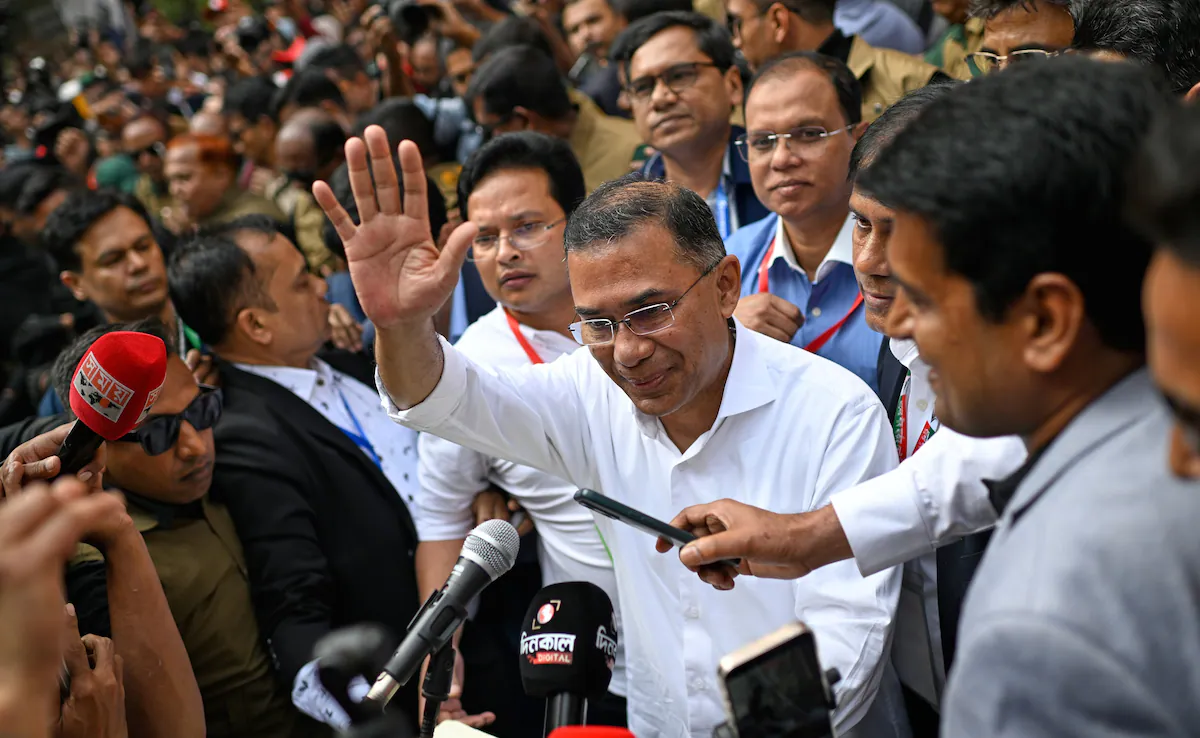
The Bangladesh Election 2026 has marked a historic political shift in the country. The 13th general election resulted in a strong performance by the Bangladesh Nationalist Party (BNP), led by Tarique Rahman. Early vote counting showed that the BNP crossed the majority mark by winning more than 150 seats in the 300-member Jatiya Sangsad, or national parliament. This clear lead indicates that the party is set to form the next government.
Out of 299 general seats where voting took place, the majority mark was 150. The BNP’s performance has signaled a strong comeback and reflects a major political transition after years of turbulence and protest movements in the country. The election is being described as a defining moment for Bangladesh’s democracy.
Vote Counting and Key Results
Vote counting began early in the morning after polling ended peacefully across most parts of the country. According to local media projections and early trends, the BNP steadily built its lead throughout the counting process. Tarique Rahman himself won from two constituencies, Dhaka-17 and Bogra-6, strengthening his position as the central figure in the new political chapter.
The voter turnout reportedly crossed 55 percent, showing significant public participation despite recent political uncertainty. More than 55,000 local observers and nearly 400 foreign monitors reportedly kept an eye on the election process, highlighting the importance of transparency and credibility in this election.
The BNP’s main rival in this election was an alliance led by Jamaat-e-Islami, which secured far fewer seats compared to the BNP. The Jamaat-led alliance is now expected to take the role of the main opposition in parliament.
Absence of Awami League and Political Shift
One of the most important aspects of the Bangladesh Election 2026 was the absence of the Awami League, which had dominated Bangladeshi politics for decades. The party’s registration was suspended, preventing it from contesting the election. This dramatically changed the political landscape.
Former Prime Minister Sheikh Hasina, who had been a powerful figure in Bangladeshi politics, was no longer in office following mass protests in 2024. Since then, the country has witnessed a transitional political period. With the Awami League out of the race, the BNP emerged as the strongest political force in this election.
This election, therefore, represents not just a routine democratic exercise but a significant shift in power and direction for Bangladesh.
Referendum on National Reforms
Alongside the parliamentary election, voters also participated in a referendum on the July National Charter. The proposed reforms include limiting prime ministers to two terms, establishing an upper house in parliament, and restoring a caretaker government system to oversee elections for 90 days before polling.
These reform proposals aim to strengthen democratic institutions and ensure fair elections in the future. If implemented, they could reshape Bangladesh’s constitutional structure and create a more balanced political system. Many observers believe that these reforms could improve political stability and increase investor confidence.
India Closely Watching Developments
The Bangladesh Election 2026 has drawn close attention from India due to its strategic and economic importance. India and Bangladesh share strong ties in trade, border security, energy cooperation, and connectivity projects. Over the past decade, relations had significantly improved, especially during the tenure of Sheikh Hasina.
However, the BNP has historically maintained a more nationalist approach in foreign policy. Political analysts suggest that while the new government is unlikely to disrupt relations with India, it may seek to rebalance its foreign policy to protect national interests.
India has stated that it respects the democratic mandate of the Bangladeshi people and is ready to work with the new government. Stability in Dhaka is considered essential for regional peace and economic growth in South Asia.
China and Pakistan Factor in Regional Politics
Another important aspect of the new political scenario is the role of China and Pakistan. Bangladesh has increased economic cooperation with China in recent years, particularly in infrastructure and investment projects. Some analysts believe that under BNP leadership, ties with China could further expand.
If the new government strengthens economic and strategic relations with China, India may closely evaluate the regional impact. South Asia is already witnessing geopolitical competition, and Bangladesh plays a key role because of its location near the Bay of Bengal and major trade routes.
The BNP government may try to follow a balanced foreign policy approach, maintaining relations with India while expanding economic partnerships with other global powers.
Minority Safety and Governance Challenges
In recent years, there have been concerns about minority safety and law and order issues in Bangladesh. India and international human rights groups have expressed concern over attacks on minority communities.
The new BNP government will face the challenge of ensuring security, protecting minority rights, and maintaining social harmony. Effective governance and transparent policies will be necessary to strengthen Bangladesh’s global image.
The credibility of the government will largely depend on how it handles law enforcement, economic reforms, and democratic accountability.
Economic Outlook and Trade Prospects
Bangladesh remains one of South Asia’s fastest-growing economies. Trade between India and Bangladesh has steadily increased, with India being one of Bangladesh’s major trading partners. Key sectors include textiles, pharmaceuticals, energy, and infrastructure.
If the BNP government focuses on economic reforms, investment-friendly policies, and regional trade cooperation, the country could witness steady growth. Stability in governance will be essential for attracting foreign direct investment and maintaining economic momentum.
Improved connectivity projects, port development, and digital infrastructure could further strengthen Bangladesh’s role in regional trade networks.
Future Political Direction and Regional Impact
The Bangladesh Election 2026 signals the beginning of a new political era. With a strong parliamentary position, the BNP now has the opportunity to implement its policies and reform agenda. However, expectations are high, and challenges remain significant.
The coming months will be crucial in determining the direction of India-Bangladesh relations, regional diplomacy, and domestic governance reforms. Political stability, economic progress, and balanced foreign policy decisions will shape Bangladesh’s future.
Conclusion: A New Chapter for Bangladesh
The victory of Tarique Rahman and the Bangladesh Nationalist Party marks a major turning point in Bangladesh’s political history. The 2026 general election reflects the people’s desire for change after years of political tension and transition.
As the BNP prepares to form the government, it carries the responsibility of ensuring democratic stability, economic growth, and constructive international relations. The impact of these developments will not only shape Bangladesh’s internal politics but also influence the broader South Asian region in the years ahead.
The world, especially India and neighboring countries, will continue to watch closely as Bangladesh enters this new political chapter.
Related posts:
 India’s craft beer revolution led by Millennials & Gen Z experiences
 Indian Army’s High-Altitude Monorail Boosts Logistics at 16,000 Feet
 Arunachal Indian Woman Alleges Harassment at Shanghai Airport Incident
 X’s New Location Feature Sparks Controversy Over Foreign Political Accounts
 India Releases Translated Constitution Versions as Nation Celebrates Samvidhan Divas
 India and Afghanistan’s Historic Border Connection Through Wakhan Corridor
 AI Chatbots Tricked by Adversarial Poetry in Shocking Jailbreak Discovery
 Pakistan’s Asim Munir War Rhetoric Sparks India-Pakistan Tension
 Telangana names road “Donald Trump Avenue” near US Consulate
 India Sends Sacred Buddha Relics to Sri Lanka Historic First