
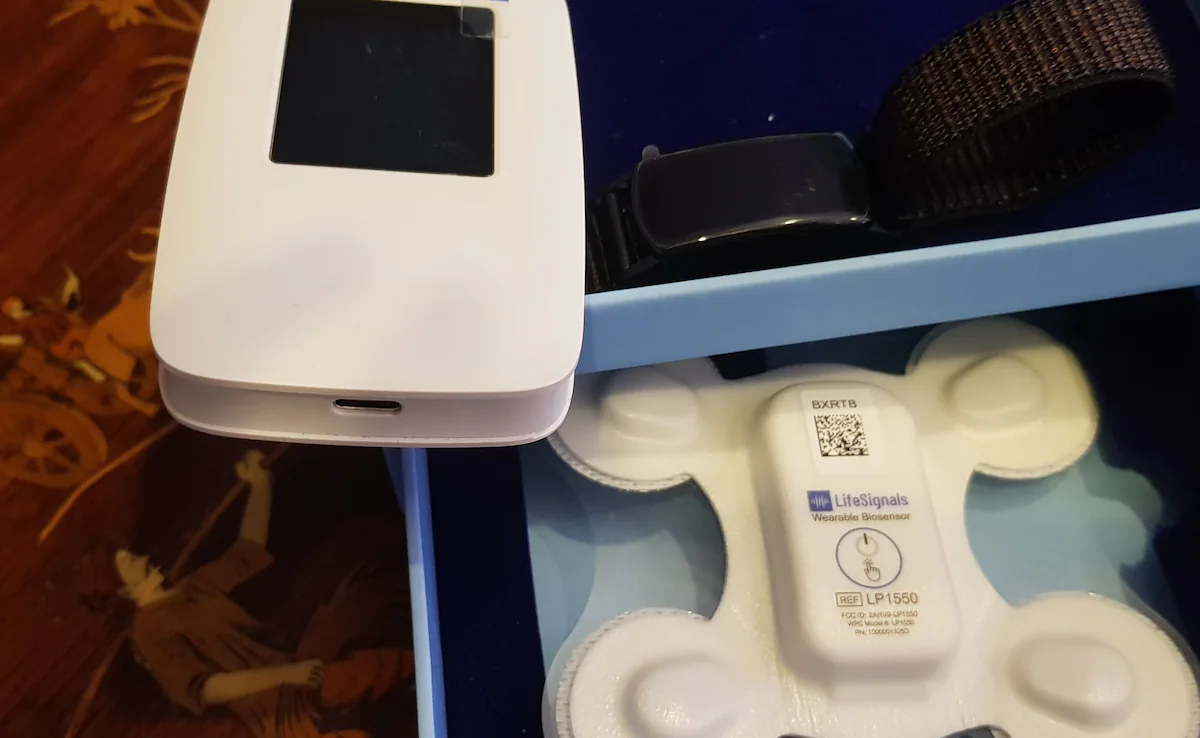
A New Era of Home-Based Healthcare in India
India has taken a major step toward modern, technology-driven healthcare with the introduction of an artificial intelligence–based remote patient monitoring system called iLive Connect. This new system allows doctors to continuously monitor patients while they stay comfortably at home, reducing the need for frequent hospital visits. As lifestyle diseases, chronic conditions, and an ageing population increase pressure on hospitals, solutions like AI healthcare monitoring in India are becoming increasingly important.
iLive Connect represents a shift from reactive healthcare to predictive and preventive care, where medical issues can be identified early, often before patients even feel unwell.
What Is iLive Connect and Why It Matters
iLive Connect is an advanced remote healthcare monitoring platform that uses wearable medical sensors and artificial intelligence to track a patient’s health around the clock. These sensors continuously collect vital data and send it to a central medical command centre, where trained doctors monitor patients in real time.
According to healthcare experts, one of the biggest gaps in India’s medical system exists after hospital discharge. Patients often return home without proper medical supervision, increasing the risk of complications. iLive Connect aims to close this gap by providing hospital-level monitoring in a home environment, especially for elderly patients and those with heart, metabolic, or respiratory conditions.
How the AI Monitoring System Works
Patients enrolled in the system wear an FDA and CE approved biosensor patch along with a wristband. These devices record multiple health parameters such as heart rhythm, oxygen saturation, breathing rate, body temperature, blood pressure trends, sleep patterns, and physical activity.
The data is transmitted wirelessly to a secure cloud platform. From there, it is analysed using artificial intelligence algorithms and sent to a medical command centre. AI plays a critical role by detecting subtle changes in health patterns that may signal early deterioration, long before visible symptoms appear.
This approach goes beyond traditional health check-ups, which rely on occasional readings rather than continuous data.
Doctors Monitoring Patients 24×7
Unlike many digital health tools that rely mainly on automated alerts, iLive Connect keeps doctors actively involved at all times. Cardiothoracic surgeon and founder of the platform, Dr Rahul Chandola, has stated that doctors remain on duty around the clock at the command centre, continuously reviewing patient data.
The system focuses on predictive monitoring, meaning it can flag health risks in advance instead of reacting after a medical emergency occurs. Senior interventional cardiologist and co-founder Dr Viveka Kumar describes the system as bringing “ICU-level observation into the home,” particularly for patients who are medically vulnerable.
Preventing Emergencies Before They Escalate
One of the biggest strengths of AI-based remote patient monitoring is its ability to analyse long-term trends instead of isolated readings. For instance, gradual changes in blood pressure, irregular sleep patterns over several days, or shifts in breathing rate can indicate a developing problem.
Doctors at the command centre can contact patients and family members within minutes if intervention is needed. Early medical advice, medication adjustments, or timely hospital referrals can help prevent serious emergencies and reduce the risk of sudden complications.
Supporting Post-Discharge and Elderly Care
Healthcare professionals involved in the project say iLive Connect is especially valuable during the post-discharge period, when patients are medically fragile but often left without close supervision. This phase is critical for recovery, yet it is also when many patients experience setbacks that lead to readmission.
Senior citizens living alone are another key group that can benefit from this technology. Continuous monitoring offers peace of mind to families while ensuring that doctors are alerted immediately if something goes wrong. As India’s elderly population continues to grow, remote healthcare solutions like this could play a major role in long-term care.
What Early Data Shows About Effectiveness
Early results shared by the developers are promising. An observational study conducted over 10 weeks involving 410 patients reported a 76 percent reduction in repeat hospital admissions. The system helped detect early complications related to heart conditions, blood pressure instability, metabolic disorders, and recovery issues after hospital discharge.
While experts agree that larger and independent studies are needed to confirm long-term benefits, these early findings suggest that AI-powered home healthcare in India could significantly reduce hospital burden and improve patient outcomes.
A Potential Game Changer for Indian Healthcare
AI-based monitoring systems like iLive Connect align with global healthcare trends that emphasize remote care, digital health, and data-driven decision-making. In countries facing doctor shortages and overburdened hospitals, such technology can improve access to care without compromising quality.
If adopted at scale, this model could redefine how chronic disease management, elderly care, and post-hospital recovery are handled in India. By combining wearable health sensors, artificial intelligence, and round-the-clock medical oversight, iLive Connect points toward a future where quality healthcare is not limited to hospital walls but follows patients into their homes.
Related posts:
 How Air Pollution Silently Damages Blood and Triggers Anaemia
 Global Alarm as Ultra-Processed Foods Threaten Public Health Worldwide
 India’s 2026 Health Trends Reveal Rising Medical Costs Ahead
 Supreme Court Seeks National Cancer Notification to Strengthen Health Surveillance
 Satna Hospital HIV Case: Thalassaemia Children Infected After Blood Transfusion
 AI, Obesity Drugs and Biologics Reshape India’s Pharmaceutical Growth Story
 Namakkal Poultry Farms On High Alert After Kerala Avian Flu
 Indore Water Crisis: Contaminated Drinking Water Outbreak Kills Several
 Rising Antimicrobial Resistance in India: Antibiotic Misuse Threatens Public Health
 What Science Says About Pomegranate Juice Benefits for Heart Health