
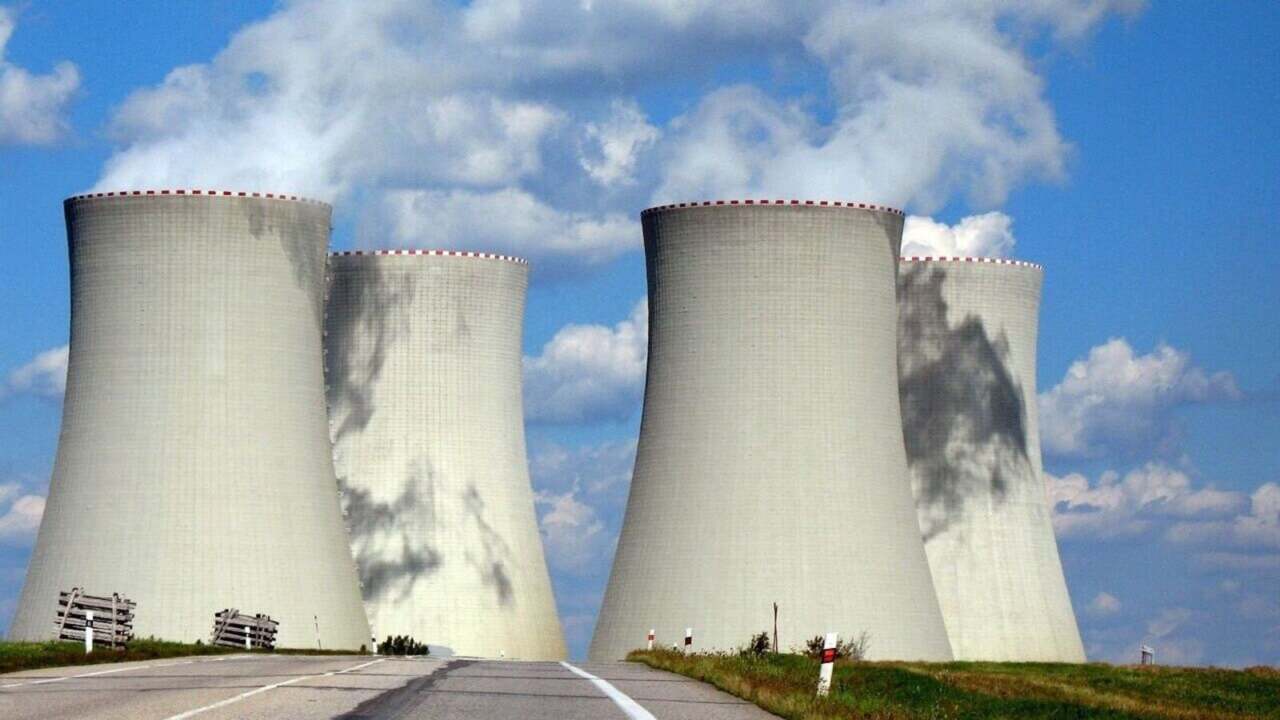
The Adani Group is preparing to step into India’s nuclear energy sector, marking a significant shift in the country’s power landscape. The Ahmedabad-based conglomerate has incorporated a wholly owned subsidiary, Adani Atomic Energy, under Adani Power to generate, transmit and distribute electricity derived from nuclear and atomic sources.
This move positions Adani Group at the forefront of India’s next big energy transition nuclear power. It also comes at a time when the government is signalling deeper private participation in atomic energy to meet long-term clean energy and energy security goals.
Why Adani Group’s Nuclear Energy Entry Matters
India’s nuclear sector has historically been dominated by state-run entities, primarily the Nuclear Power Corporation of India Limited. Private companies were largely restricted from owning or operating nuclear plants.
Adani’s entry signals a structural transformation.
A Strategic Shift in India’s Energy Policy
The government’s evolving framework, informally referred to as the “Shanti Bill,” aims to liberalise atomic power generation. It proposes allowing private companies to build, own and operate nuclear power plants through structured partnerships.
This represents one of the most significant policy shifts in India’s energy sector in decades.
Under the proposed framework, private firms could also invest in small modular reactors, or SMRs, which are being globally recognised as safer and more scalable nuclear solutions.
Aligning With India’s Clean Energy Goals
India has committed to achieving net-zero emissions by 2070. With electricity demand expected to more than double by 2047, low-carbon baseload power is essential.
While solar and wind energy are expanding rapidly, they remain intermittent.
Nuclear energy offers continuous, reliable generation without carbon emissions at the point of production.
For conglomerates like Adani Group, nuclear power presents both a commercial opportunity and a strategic alignment with national climate goals.
India’s Nuclear Energy Targets and Current Capacity
India currently operates around 9 gigawatts (GW) of installed nuclear capacity, contributing approximately 3% of total electricity generation.
The government has set an ambitious target of expanding this to 100 GW by 2047.
Expanding Nuclear to 100 GW by 2047
If achieved, nuclear power could account for nearly 10% of India’s total energy mix by the centenary of independence.
This scale-up will require massive capital investments, advanced technology partnerships and robust regulatory oversight.
Private sector participation is seen as essential to mobilise funding and accelerate execution.
Bridging the Baseload Gap
India’s coal-fired plants currently provide the majority of baseload electricity.
However, coal dependency raises concerns over emissions, import costs and environmental impact.
Nuclear energy can provide stable baseload supply while complementing renewables.
A diversified energy mix reduces systemic risk and strengthens energy security.
Policy Framework and FDI Provisions Explained
The proposed legislative changes aim to modernise India’s atomic energy framework while maintaining strategic safeguards.
Private Participation in Nuclear Plant Ownership
The reforms would allow private firms to build, own and operate nuclear power plants in partnership with government agencies.
This includes the development of small modular reactors, which are compact, factory-built units designed for enhanced safety and cost efficiency.
SMRs are considered the future of nuclear expansion globally due to their flexibility and reduced upfront capital requirements.
Foreign Direct Investment in Nuclear Energy
The framework proposes allowing up to 49% foreign direct investment in nuclear projects.
This provision could unlock global technology partnerships and international financing.
However, the government will retain control over uranium mining beyond specified thresholds and strategic nuclear materials.
Spent fuel management will remain under government custody to ensure national security and regulatory compliance.
Strict oversight of fissile materials, heavy water and source material underscores the sensitive nature of atomic energy.
Political Debate Around Adani’s Nuclear Move
Adani Group’s entry into nuclear energy has not been without controversy.
Jairam Ramesh, spokesperson for the Indian National Congress, criticised the proposed regulatory changes, alleging that they favour specific corporate interests.
The opposition has raised concerns about transparency and governance.
The government, on the other hand, maintains that reforms are essential to accelerate India’s low-carbon transition and reduce fossil fuel dependence.
The debate highlights the intersection of energy policy, corporate power and political accountability.
Adani Group’s Strategic Positioning in Energy
The Adani Group has steadily expanded across energy verticals, including coal, thermal power, renewables, transmission and green hydrogen.
Entering nuclear energy aligns with its broader strategy of becoming a fully integrated energy player.
Diversification Beyond Coal and Renewables
While Adani remains one of India’s largest private thermal power producers, it has also made substantial investments in solar and wind energy.
Nuclear energy adds a stable baseload component to its portfolio.
This diversification could hedge against market volatility and regulatory risks in fossil fuels.
Strengthening India’s Energy Security
India imports a significant portion of its fossil fuel requirements.
Nuclear energy, though dependent on uranium imports in part, offers greater long-term stability compared to volatile global coal and gas markets.
Energy independence remains a critical pillar of national strategy, and nuclear expansion supports that vision.
Opportunities and Challenges Ahead
While the opportunity is vast, nuclear energy projects are capital-intensive and complex.
High Capital Costs and Long Timelines
Building nuclear plants involves long gestation periods, rigorous safety clearances and advanced technological expertise.
Financing large-scale reactors can strain corporate balance sheets.
Small modular reactors may mitigate some risks, but commercial viability in India remains to be tested.
Public Perception and Safety Concerns
Nuclear energy globally faces scrutiny over safety, waste management and environmental risks.
Transparent governance and robust safety frameworks will be crucial.
India’s regulatory institutions must maintain credibility and independence as private participation expands.
The Bigger Picture: Nuclear in India’s Energy Future
India’s energy demand is projected to surge as urbanisation, electrification and industrial growth accelerate.
Solar and wind will remain dominant in renewable expansion.
However, nuclear energy offers a low-carbon baseload complement that can stabilise the grid.
Adani Group’s nuclear entry signals the beginning of a new phase in India’s energy evolution.
If implemented effectively, private participation could accelerate capacity expansion, drive innovation and strengthen India’s clean energy ambitions.
At the same time, careful regulatory oversight will be essential to balance commercial interests with national security and public safety.
Conclusion: A Defining Moment for India’s Atomic Power
The incorporation of Adani Atomic Energy marks more than a corporate expansion.
It reflects a structural shift in how India views nuclear energy not merely as a state-controlled strategic asset, but as a critical pillar of its clean energy future.
With a target of 100 GW by 2047 and net-zero emissions by 2070, nuclear power is poised to play a transformative role.
Whether Adani Group’s nuclear venture becomes a catalyst for accelerated growth or a flashpoint for political debate will depend on execution, transparency and policy stability.
One thing is certain: India’s nuclear energy story has entered a new chapter.
.
Related posts:
 SEBI Cautions Investors: Digital Gold Products Are Not Regulated Gold
 US Tech Giants Oppose India’s 6 GHz Spectrum for Mobile Use
 A320 Aircraft Issue Disrupts IndiGo and Air India Flight Operations
 Vi ₹1 Recharge Pack: Cheap SIM Activation for Light Users
 SEBI bans Avadhut Sathe’s academy, impounds Rs 546 cr for unregistered advisory — major blow to finfluencers
 Russia-Linked Investors Surge into Indian Markets via SEBI Registration
 Ultimate Guide to Jio ₹3333 Annual Plan and ₹369 Recharge
 Andhra Pradesh Hosts World’s Largest Green Ammonia Project Kakinada
 India EU Trade Deal May Boost Smartphone Exports Significantly
 India-US Trade Deal Textile Benefits and Zero Tariff Access